
Community
7 Common Retail Management Issues and How to Overcome Them
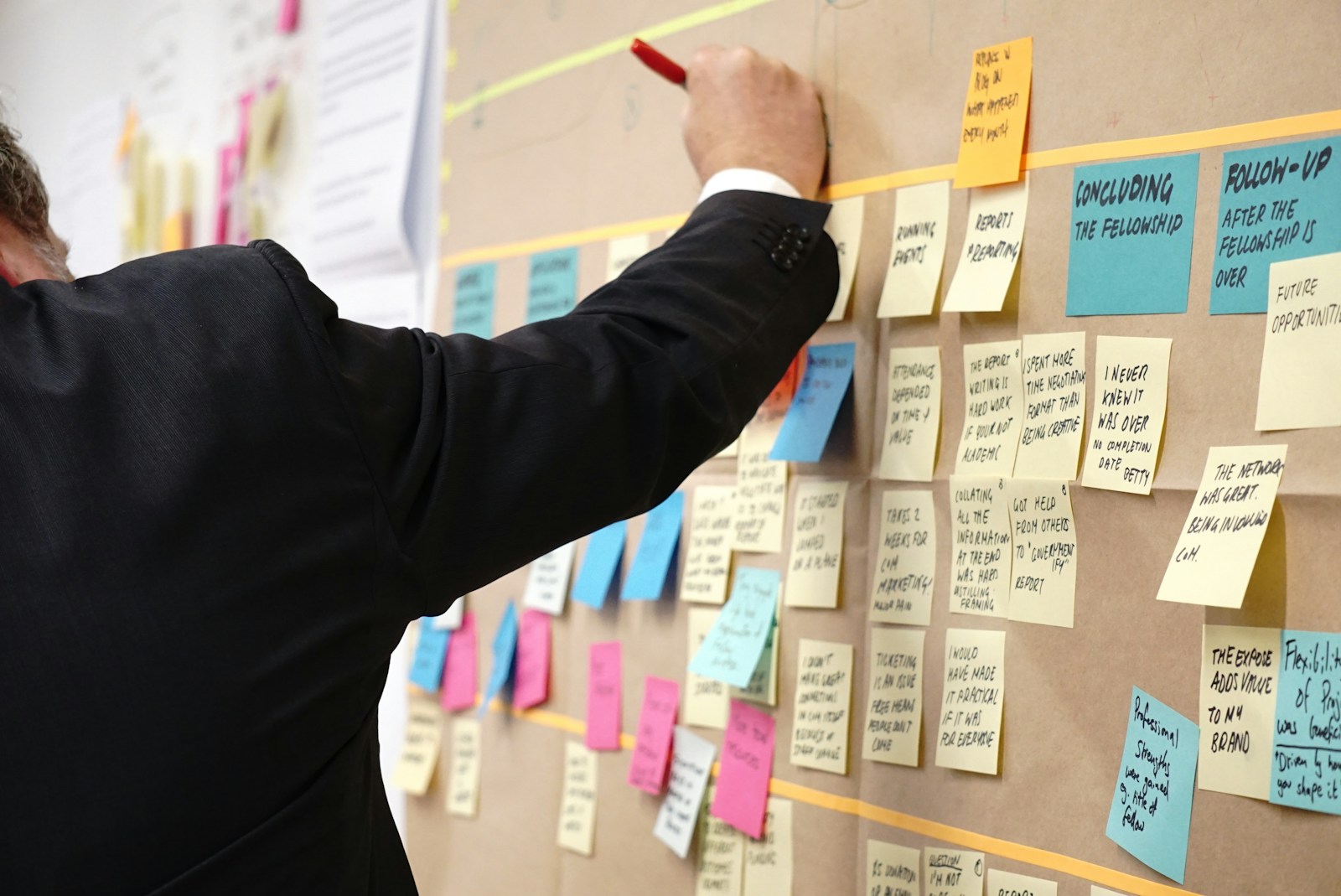
Managing a retail store or business is about more than just stocking shelves and handling transactions. It’s about navigating complex challenges that arise throughout the day, from inventory management to customer satisfaction. Veterans of the retail industry are all too familiar with the typical retail management issues that come with the territory. However, there are ways to limit and even eliminate problems by implementing practical retail management solutions to overcome them.
1. Inventory Management
One of the most significant challenges in retail is maintaining optimal inventory levels. Overstocking can tie up capital and lead to product obsolescence while understocking can result in lost sales and dissatisfied customers.
Solution
Implement a robust inventory management system that tracks sales data in real-time. Use historical sales data to forecast future demand accurately. Regularly audit your inventory to identify slow-moving items and adjust your purchasing accordingly. Consider employing RFID technology for more accurate and efficient inventory tracking.
2. Staffing Challenges
Finding and retaining qualified staff is not just a challenge, it’s a critical issue that can disrupt operations, decrease productivity, and impact customer service quality. High turnover rates can lead to a loss of institutional knowledge and a constant need for training new staff, which can be time-consuming and costly.
Solution
Invest in employee training and development programs to improve job satisfaction and performance. Offer competitive wages and benefits to attract and retain top talent. Implement flexible scheduling to accommodate employee preferences and reduce burnout.
3. Customer Satisfaction
In today’s competitive retail landscape, exceptional customer service is essential for success. Dissatisfied customers are unlikely to return and may share their negative experiences with others, damaging your brand reputation.
Solution
Train your staff to consistently deliver excellent customer service. Encourage active listening and empathy when dealing with customer concerns. Implement a customer feedback system to gather insights and identify areas for improvement. Use social media and online review platforms to promptly engage with customers and address their feedback.
4. E-commerce Competition
E-commerce has transformed the retail industry, posing a significant challenge to traditional brick-and-mortar stores. Many consumers now prefer the convenience of shopping online, putting pressure on retailers to adapt to changing consumer preferences. This shift in consumer behaviour has led to [insert specific industry trend or statistic], highlighting the urgency for retailers to embrace e-commerce.
Solution
Embrace omnichannel retailing by integrating your physical and online stores. Offer click-and-collect services to provide customers with the convenience of online shopping combined with the immediacy of in-store pickup. Invest in a user-friendly e-commerce platform and optimize your website for mobile devices to enhance the online shopping experience.
5. Price Competition
Price competition is fierce in the retail industry, with consumers comparing prices online before purchasing. Retailers must find ways to remain competitive without sacrificing profitability.
Solution
Focus on value rather than price by highlighting your products and services’ quality, uniqueness, and convenience. Offer loyalty programs and discounts to reward repeat customers and encourage brand loyalty. Monitor competitors’ pricing strategies and adjust your prices accordingly to remain competitive.
6. Supply Chain Disruptions
Disruptions in the supply chain, such as natural disasters, political unrest, and transportation delays, can significantly impact a retailer’s ability to obtain products and fulfil customer orders.
Solution
Diversify your supplier base to reduce reliance on a single supply source. Maintain open lines of communication with your suppliers and develop contingency plans for potential disruptions. Use data analytics to anticipate and mitigate supply chain risks proactively.
7. Technological Challenges
Keeping up with rapidly evolving technology can be challenging for retailers and significantly smaller businesses with limited resources. The retail industry is constantly evolving, and new technologies are emerging at a rapid pace. However, failing to embrace technology can disadvantage retailers significantly in today’s digital world. For instance, [insert example of a retail store] struggled to keep up with their competitors who had embraced e-commerce, leading to a decline in their sales.
Solution
Invest in a point-of-sale (POS) system that integrates with your inventory management and customer relationship management (CRM) systems. An all-in-one enterprise resource planning (ERP) system can provide additional strength to any management team. Leverage data analytics to gain insights into customer behaviour and preferences. Explore emerging technologies such as artificial intelligence (AI) and augmented reality (AR) to enhance the shopping experience and differentiate your brand.
While retail management presents numerous challenges, with the right strategies and tools, retailers can overcome these obstacles and thrive in an increasingly competitive marketplace. By focusing on inventory management, staffing, customer satisfaction, e-commerce, pricing, supply chain, and technology, retailers can position themselves for long-term success and growth. Now that you have these retail management solutions at your disposal, it’s time to take action. Identify the most pressing issues in your retail business and start implementing the corresponding solutions. Remember, the key to success is not just in knowing the solutions, but in applying them effectively.