
Breaking News
A Alberto Lugo: Integrating Green Initiatives in Commercial Building Projects
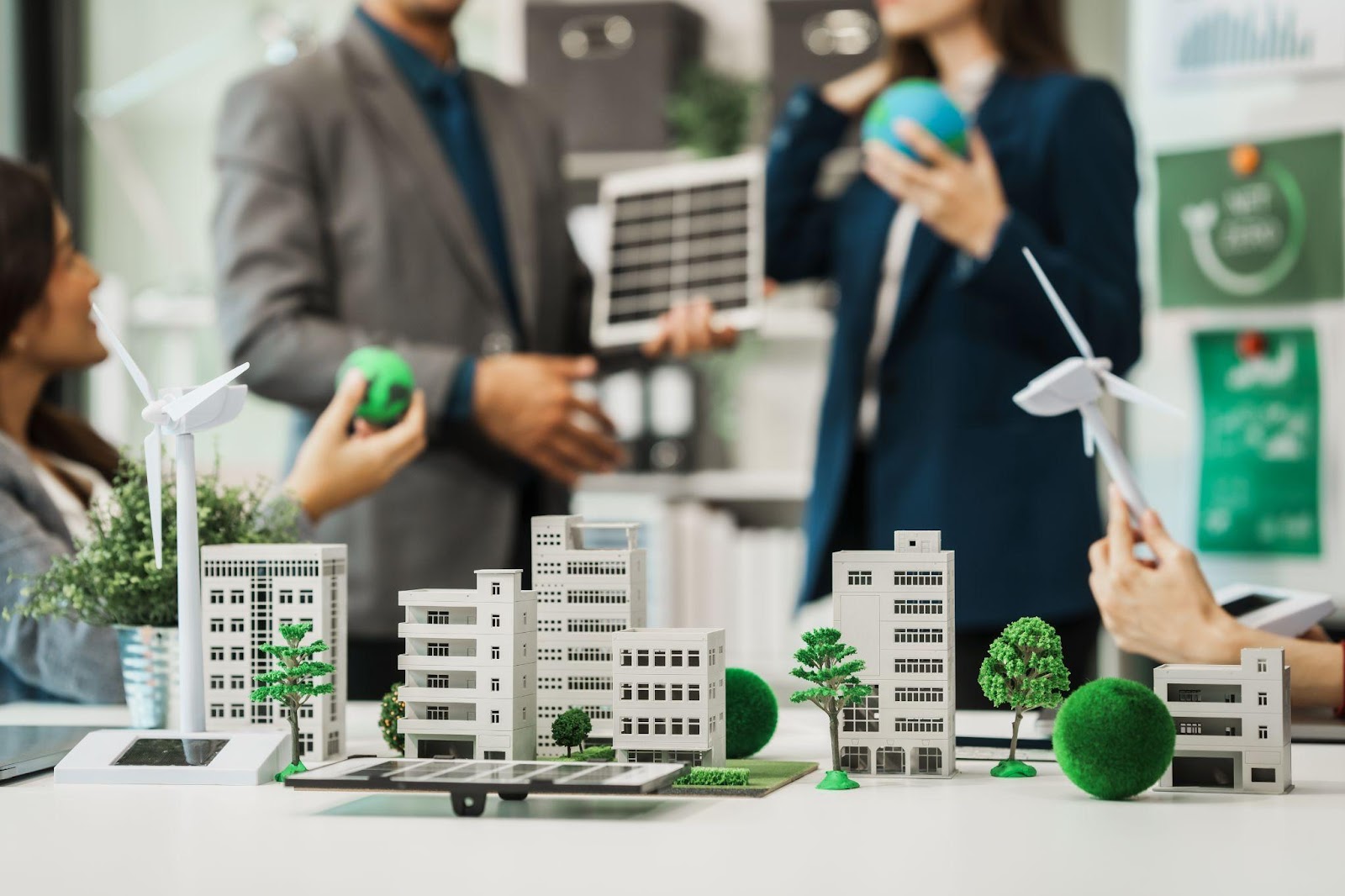
Green building and sustainable practices in commercial construction are not just trends but critical strategies for future developments. These approaches aim to reduce environmental impact, boost energy efficiency, and improve the overall quality of life. With the increasing consumer demand for eco-friendly policies, companies that invest in green technologies gain a competitive advantage, enhancing their brand reputation and customer loyalty. As the industry evolves, A Alberto Lugo discusses how the integration of innovative technologies and collaborative planning plays a crucial role in overcoming challenges and achieving successful projects.
Understanding Green Initiatives in Commercial Construction
Green initiatives are being recognized as not just environmentally responsible choices but also essential components of commercial construction. With heightened awareness of ecological impacts, integrating sustainable practices into the building process has become a priority for many developers and contractors. This approach not only preserves natural resources but also aligns with a growing demand for eco-friendly living and working spaces.
Incorporating these practices goes beyond environmental preservation. It reflects a broader shift towards sustainability that is reshaping the construction industry. Adopting green technologies and methodologies often results in increased energy efficiency and reduced operating costs, making commercial buildings more attractive to lessees and investors. Moreover, these environmentally conscious decisions often comply with strict regulatory standards, avoiding potential legal complications.
Technological advancements and changing societal values are supporting the shift towards green buildings. As the industry continues to innovate, integrating sustainable practices is seen not just as a niche trend but as a fundamental shift in how buildings are designed, constructed, and maintained.
Advantages of Sustainable Building Practices
The integration of sustainable building practices in commercial construction offers a myriad of benefits that extend beyond the immediate environmental impact. Buildings designed with green technologies tend to have lower energy costs, which can significantly reduce operating expenses over time. This financial advantage makes sustainable buildings appealing to investors and tenants looking for cost-effective solutions. Together, these practices contribute to healthier environments, which enhance the quality of life for occupants and can positively influence workforce productivity and well-being.
Reducing carbon footprints and minimizing waste during construction are pivotal in mitigating the harmful effects of construction on the environment. By adopting practices such as using recycled materials and optimizing natural light, businesses not only promote sustainability but also set a precedent that encourages industry-wide change. This shift is supported by consumer and societal trends favoring companies with environmental ethics.
Essential Green Technologies and Practices
At the core of sustainable commercial construction are innovative green technologies and practices aimed at improving efficiency and minimizing environmental impact. Energy-efficient building materials, such as reflective roofing and high-performance windows, play a crucial role in reducing the need for artificial heating and cooling. Similarly, advanced HVAC systems optimized for energy conservation can dramatically decrease energy consumption.
Water conservation remains another focus, with technologies such as low-flow fixtures and water recycling systems becoming standard in new commercial constructions. Effective waste management strategies, including on-site sorting and recycling, further demonstrate a commitment to sustainability. These practices not only comply with regulatory demands but also resonate with a growing consumer base that values environmental stewardship. As more companies recognize these benefits, green buildings are moving from an optional luxury to being a standard in construction.
Real-World Applications and Outcomes
The tangible benefits of green building practices become evident through various successful projects. One notable development is a commercial complex in Sweden that achieved net-zero energy status through the integration of solar panels and geothermal heating systems. This project not only reduced energy consumption but also provided a model for sustainable construction initiatives worldwide.
Overcoming Challenges in Green Construction
Navigating the challenges associated with green construction requires a multifaceted approach. One major hurdle is the initial cost of implementing sustainable technologies, which can be higher than traditional methods. However, the long-term savings in energy and maintenance costs can offset these investments. Additionally, the construction industry often faces regulatory changes that can delay project approvals. Effective communication and collaboration with regulatory bodies are paramount to streamline this process and project execution.
Planning Green Initiatives
As the demand for sustainable building increases, planning green initiatives become crucial for the construction industry. Strategic implementation of these practices involves thorough planning from the design phase and continuous adaptation to emerging technologies and materials. Staying ahead in the green building sector also requires ongoing education and training for professionals to ensure they are equipped with the latest knowledge and skills.
Looking ahead, the construction industry is poised to see an increase in green certifications and standards, which will further incentivize the adoption of sustainable practices. As more stakeholders recognize the long-term benefits of green building, the industry is likely to witness a significant transformation, making sustainable construction the norm rather than the exception.