
Community
Adam Lafferty on Keystone Beings: Rising To Our Highest Possible Future
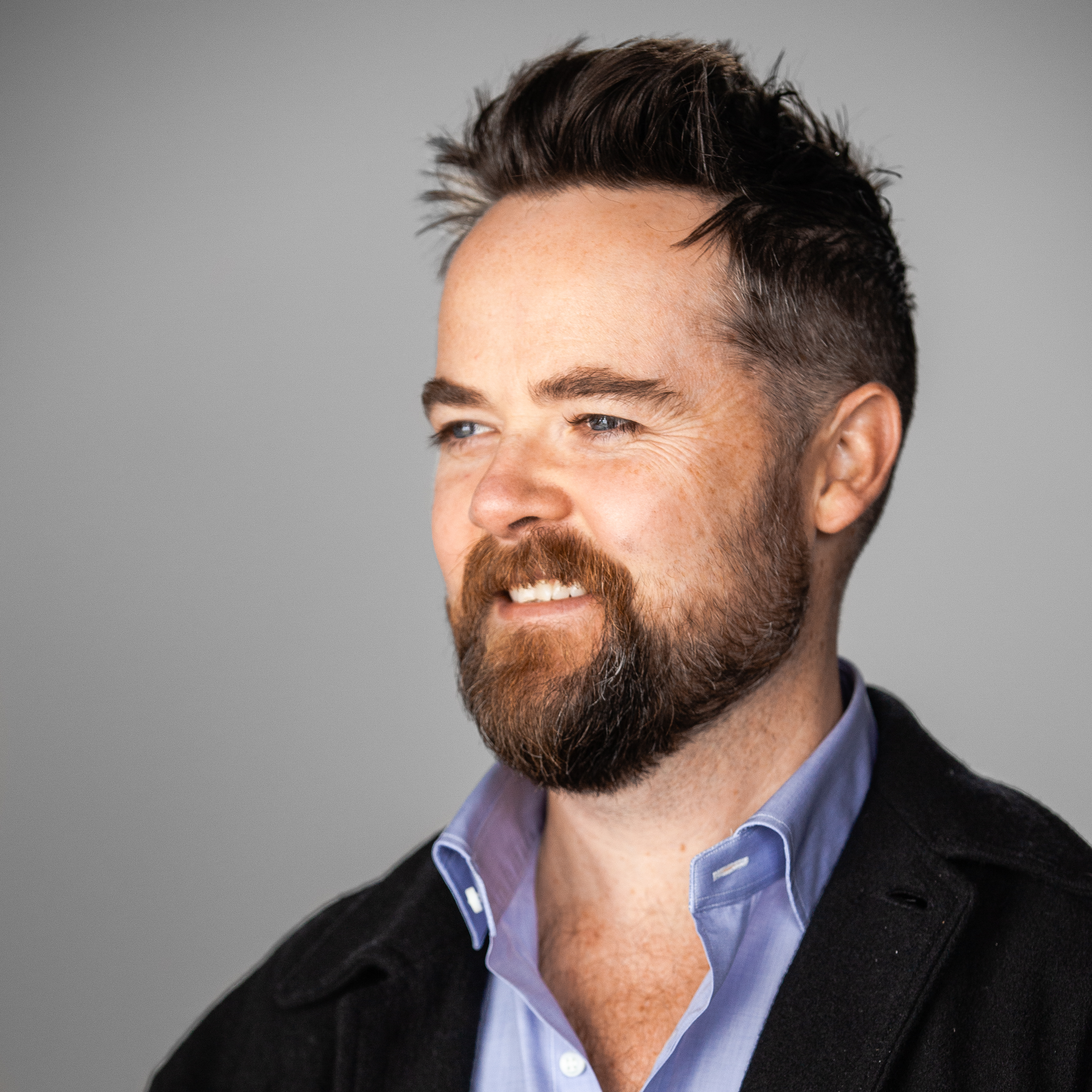
There is no doubt about the fact that global challenges are experiencing a spike. Adam Lafferty, a renowned executive and self-leadership coach, proposes people to think differently and make a difference by abandoning conventional ways and adopting newer, fresher mindset to tackle such issues. Through his extensive experience working with leaders and innovators worldwide, Lafferty makes an effort to shed limelight on the concept of “Keystone Beings,” a call for individuals to harness their potential and inspire systemic change towards our highest possible future.
In a recent virtual conference, Lafferty observed the growing sentiment of urgency and outrage among activists and change-makers. “We need to call them out, name names. We can’t let them get away with it,” echoed the voices in the room. This reaction, though understandable, stems from fear and despair. Lafferty notes that such a defensive stance often leads to exhaustion and limited impact.
“Activists and advocates all have a point; nothing is going to change if nothing is going to change,” Lafferty acknowledges. However, he emphasizes the need to shift from a strategy of risk management to one of opportunity maximization. This shift, he argues, is essential for envisioning a continuum of possibilities and acting from a place of opportunity rather than fear.
Drawing inspiration from Otto Scharmer’s “Theory U,” Lafferty underscores the importance of transforming the quality of awareness, attention, and consciousness that people apply to their actions. Scharmer’s notion of “rising to our highest possible future” highlights the profound impact our collective awareness and choices can have on the world.
Lafferty advocates for a broader perspective, recognizing humans as part of “complex living systems,” or ecosystems, where interconnections are vital for survival. He cites the work of Donella Meadows, who asserts that systems cannot be controlled but can be influenced through appropriate responses. Often, the most significant impact comes from a relatively small number of interveners.
A keystone species, for instance, plays a crucial role in defining an entire ecosystem. Lafferty points to the reintroduction of wolves in Yellowstone National Park as an example. This intervention led to increased vegetation, stabilized riverbanks, and enhanced biodiversity, demonstrating the interconnectedness of ecosystems.
Lafferty posits that change-makers should view themselves as “Keystone Beings,” capable of bringing about systematic transformation. “What if, instead of trying to control the outcomes, we viewed our role as Keystone Beings, creating a broad impact from a relatively small number of interveners?” he asks.
Buckminster Fuller, the American polymath, likened individual influence to “trim tabbing,” a small mechanism that stabilizes a massive ship or aircraft. Fuller believed that small actions, when performed with integrity, could lead to significant changes. Lafferty echoes this sentiment, encouraging individuals to start with themselves and recognize their potential to effect change.
Christiana Figueres, chief architect of the Paris Agreement, asserts that “systemic transformation is deeply personal.” Lafferty invites individuals to commit to the responsibility of being Keystone Beings, navigating towards our highest possible future. “Commitment doesn’t mean perfection; it just means being willing to clean up the mess,” he adds.
Lafferty challenges conventional thinking, often dominated by Western notions of control and reductionism. Instead, he urges a shift towards viewing ourselves as part of a living system of relational networks. This expanded sense of connection allows for a deeper understanding of our influence.
As scientists and thinkers describe the current epoch as the Anthropocene, where human influence on the global future is unprecedented, Lafferty emphasizes that we are the game-changers and disruptors shaping a new planetary narrative. He advocates telling our story from a place of opportunity rather than grim condemnation, focusing on actions as potential leverage points.
“By embracing our roles as Keystone Beings, we can rise to our highest possible future and inspire others to do the same,” Lafferty concludes. “If each of us lives into the question, ‘How might I rise to the highest possible future?’ Perhaps we just might shape a better world.”
In an age demanding innovative solutions and courageous leadership, Adam Lafferty continues to stand out as an excellent adviser, encouraging individuals to recognize their roles as Keystone Beings and to rise to their highest possible future.