
Community
Advanced Inventory Management Techniques Using Industrial Scales
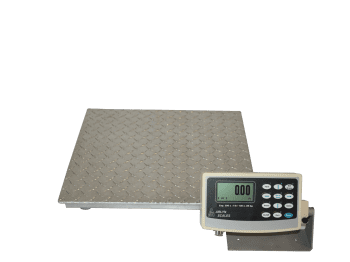
In the dynamic sphere of inventory management, precision and efficiency are paramount. Industrial scales play a pivotal role in achieving these goals, particularly in environments that demand high accuracy and rapid processing.
This article explores how industrial scales are instrumental in advanced inventory management, enhancing stock accuracy, and optimizing warehouse operations. It will also shed light on the role of a platform weighing scale in modern inventory management.
The Role of Industrial Scales in Inventory Management
Ensuring Accuracy in Stock Data
Industrial scales are crucial for maintaining accurate stock data. In industries where the weight of products directly correlates with their value, such as in bulk materials and chemicals, the importance of precise measurements cannot be overstated. These scales ensure that the quantity of inventory recorded matches the actual stock, reducing discrepancies and potential financial losses.
Streamlining Warehouse Operations
Efficient warehouse operations hinge on the ability to process inventory quickly and accurately. These scales facilitate this by integrating with warehouse management systems (WMS). This integration allows for real-time data transfer, ensuring that inventory levels are updated instantaneously as goods are weighed. This seamless communication minimizes delays in data processing and enhances operational efficiency.
Reducing Human Error
The use of automated industrial scales significantly reduces the chance of human error in inventory management. Manual data entry is prone to errors, leading to incorrect stock levels and misinformed business decisions. By automating the weighing and data entry processes, these types of equipment eliminate these risks, ensuring more reliable inventory management.
Advanced Techniques in Utilizing Industrial Scales
Automated Check-Weighing Systems
Automated check-weighing systems represent a significant advancement in the use of industrial scales. These systems automatically weigh items as they move along conveyor belts, checking them against pre-set standards. This continuous, automated verification speeds up the quality control process, ensures compliance with weight regulations, and maintains consistent product standards.
Scale Integration with RFID Technology
The integration of Radio Frequency Identification (RFID) technology with industrial scales is a game-changer. This technology allows for the automatic identification and tracking of items based on their weight data. When an item is placed on a scale, the RFID system can immediately identify it, record its weight, and update inventory levels. This integration not only speeds up processing times but also enhances the accuracy of inventory tracking.
Predictive Analytics
Predictive analytics is another advanced technique that leverages data from these equipments. By analyzing historical weight data, businesses can forecast future trends in inventory needs. This predictive insight helps in making informed purchasing decisions, optimizing stock levels, and reducing the risk of overstocking or stockouts.
Spotlight on Platform Weighing Scales
Definition and Uses
A platform weighing scale is a versatile industrial scale designed for weighing heavy or bulky items. It features a large, flat platform that accommodates such items easily. Commonly found in the manufacturing and shipping industries, platform scales play a critical role in loading dock operations and freight monitoring.
Benefits of Platform Scales
One of the primary benefits is their capacity to handle substantial weights with high accuracy. They are engineered to deliver precise measurements even under heavy loads, which is essential for industries dealing in heavy goods. Additionally, their robust construction ensures durability and long-term reliability in harsh industrial environments.
Another significant advantage is their adaptability across various industries. Whether it’s agriculture, manufacturing, or shipping, they provide essential data that supports effective inventory management. They are instrumental in environments where items are too large or bulky for other types of scales, ensuring that businesses can maintain accurate inventory records regardless of item size.
Platform scales also improve operational efficiency. With digital displays and integrated weighing systems, operators can quickly read and record data without manual intervention, speeding up the workflow and reducing wait times during loading and unloading processes. This efficiency is crucial in high-volume industries where time is often a critical factor in maintaining operational productivity.
Furthermore, many platform scales come with enhanced safety features, such as slip-resistant mats and barriers, which help prevent accidents during the weighing process. This not only protects the workforce but also ensures that the weighing process does not become a bottleneck due to safety concerns, thereby maintaining a smooth operational flow.
Technological Enhancements
Recent advancements in platform-scale technology include the integration of wireless connectivity and advanced computing capabilities. These scales can now transmit data wirelessly to central management systems, allowing for remote monitoring and management of inventory data. Enhanced computing features also enable the scales to perform complex calculations, such as cumulative weighing and piece counting, which further aid inventory management.
Industrial scales are not just tools for measuring weight; they are integral components of an advanced inventory management system. From enhancing accuracy to integrating with cutting-edge technologies, these scales drive efficiency and precision in warehouse operations. Embracing these technologies enables businesses to stay competitive in a fast-paced market, ensuring they manage their inventories more effectively and strategically.