
Community
Behind the Decks: What Gear Do You Need To Become a DJ?
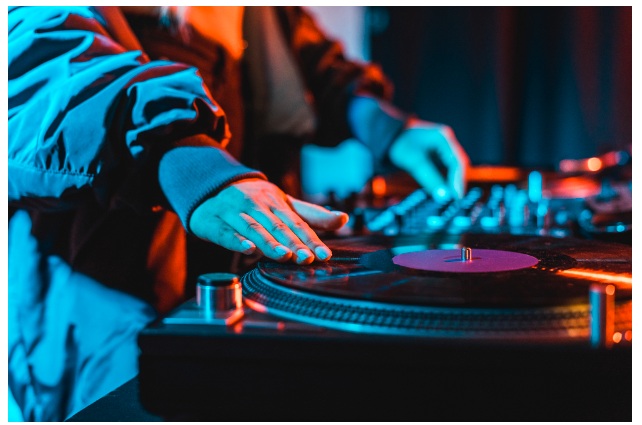
If you’ve ever spent time at a club or festival, you know DJing is a true skill. Have you ever wondered what it takes to sit in the driver’s seat, when every track you spin and transition you create lifts spirits and creates unforgettable nights?
DJing is a thrilling art form that blends creativity with technical skill, and gear is at the heart of it all. Whether you dream of commanding club dance floors or throwing the hottest house parties, the right equipment is your first step toward DJ stardom. Let’s dive into the essential DJ gear that will help you scratch, mix, and spin your way into the music scene.
What Are the DJ Equipment Basics?
To kick off your DJ journey, you’ll need to decide between the charm of vinyl and the versatility of digital. Here’s the lowdown:
Turntables
For producers drawn to the original DJ aesthetic, turntables offer the tactile experience of mixing with vinyl. There are two main types to consider: direct drive and belt drive.
Direct drive turntables connect the motor directly to the platter, providing faster start-up times and more consistent speeds — perfect for scratching and beat-matching.
Meanwhile, belt drives use an elastic belt to link the motor to the platter, which minimizes motor noise interference but might not offer the same level of control as direct drives.
The key feature to watch out for is variable pitch control. This lets you adjust the speed of the record, allowing you to match the tempo of two tracks seamlessly.
Controllers
Stepping into the digital realm, controllers are the go-to for most modern DJs. They connect to your computer, allowing you to manipulate digital music files using decks and a mixer interface. Brands like Pioneer and Numark offer a range of options from beginner to pro. When choosing a controller, consider what software it’s compatible with because it can define your DJing experience.
Mixers
Your mixer is mission control. It’s where all your audio channels converge, allowing you to manage everything from sound levels to dynamic effects. Look out for channel inputs, WQ controls, and your crossfader.
For your channel Inputs, start with at least two channels. Each channel can be thought of as a separate track you can control independently.
EQ Controls knobs allow you to adjust the bass, mid, and treble frequencies of each channel, helping you blend or isolate different elements of the music.
Finally, the crossfader slider lets you smoothly transition from one channel to another, essential for seamless mixing.
For producers who want to refine their sound, advanced mixers come with built-in effects like reverb and echo, loop controls, and even connectivity for additional instruments or microphones. Just look at DJs like Anyma, Calvin Harris, or Deadmau5, who use sophisticated mixers to create unique soundscapes. Their choice of mixer helps define their distinctive styles.
Software
In the age of digital DJing, your software can be as critical as your physical equipment. It acts as your music library, mixing console, and effects rack all in one. Popular options include the Serato DJ, Traktor, and Rekordbox.
Serato DJ is known for its reliability and intuitive interface, and it’s favored by beginners and pros alike.
Meanwhile, Traktor offers powerful customization options and innovative features that cater to DJs who like to remix and weave dense sonic textures.
To wrap up our top pics, Rekordbox is designed to work seamlessly with Pioneer controllers and mixers, offering excellent performance stability.
Your choice of software should align with your DJing style and the equipment you use. It shapes how you access your tracks, apply effects, and even how you perform live. Each platform has its strengths, so consider what features matter most to you in your quest to captivate crowds.
Essential Accessories and Add-Ons
Now that you’ve got your primary gear sorted, let’s talk about the cherries on top — those accessories that can boost your DJ prowess. First up, never underestimate the power of a good microphone. From hyping up a crowd to handling a wedding reception, the ability to communicate clearly can’t be overlooked.
Lighting can also transform a good set into a great one. It sets the mood and amplifies the musical experience for your audience. Then there are the practical bits: reliable cables, sturdy stands, and protective cases ensure that your gear stays safe, sounds great, and doesn’t fall over mid-set!
Elevating From Good to Great
The journey from a good DJ to a great one is paved with thoughtful choices about the gear you use. From speakers that fill the room with sound to headphones that keep your next track cued up perfectly, every piece of equipment plays a pivotal role.
Find what feels right and reflects your style. After all, DJing is about more than just playing music — it’s about creating an experience. No matter whether you’re weaving through a smooth house set or dropping bass-heavy bangers, with the right gear, each gig can be a masterpiece.