
Community
Beyond Sterile: Unveiling the Unique Applications of Shipping Container Cleanrooms
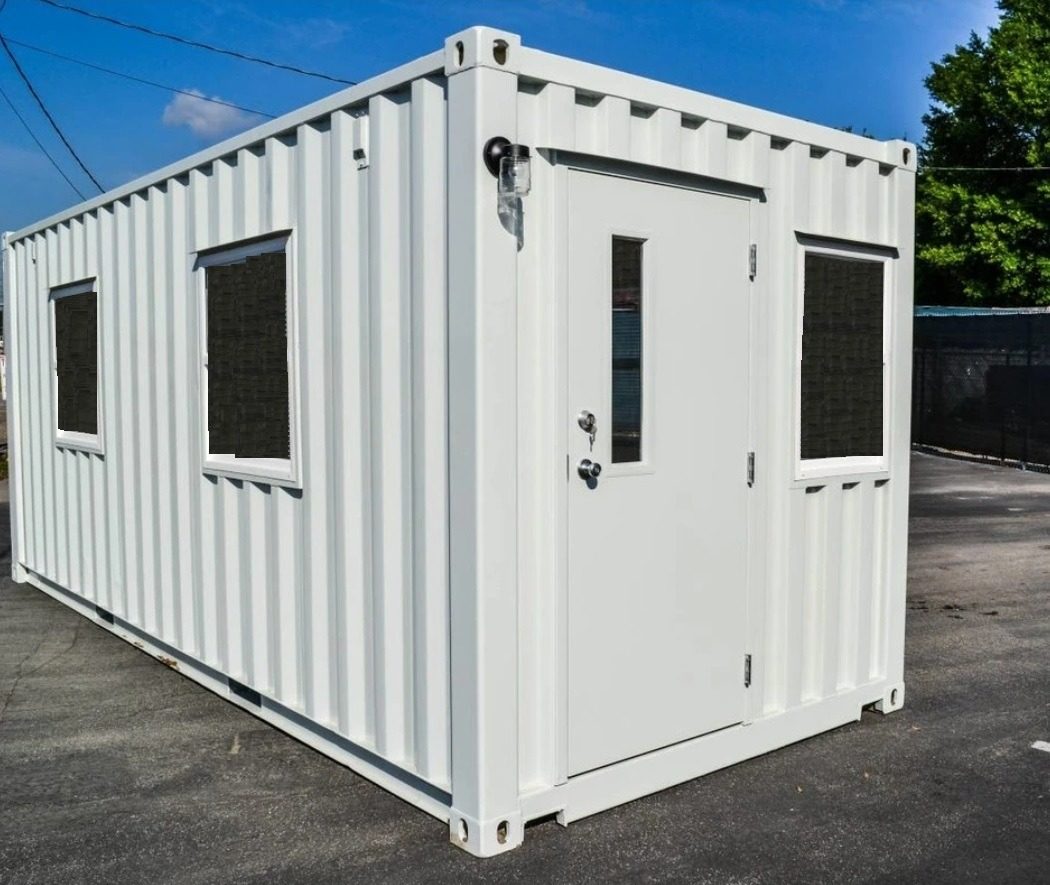
If you want to unveil the advantages and applications of shipping container cleanrooms, continue reading this guide until the end.
Introduction to Shipping Container Cleanrooms
In today’s dynamic world, the need for flexible and cost-effective solutions in various industries is more pronounced than ever. One such innovative solution gaining traction is the utilization of shipping containers as cleanroom facilities. These shipping container cleanrooms offer a range of benefits, particularly in scenarios requiring temporary laboratory space.
Advantages of Shipping Container Cleanrooms
Here are a few advantages of shipping container cleanrooms.
-
Cost-effectiveness
Traditional cleanroom construction can be a costly endeavor, involving significant investments in both time and resources. In contrast, shipping container cleanrooms present a cost-effective alternative, offering substantial savings in construction and operational expenses.
-
Mobility and flexibility
One of the key advantages of shipping container cleanrooms is their mobility. These modular units can be easily transported to different locations, providing unparalleled flexibility for organizations requiring temporary laboratory facilities.
-
Rapid deployment
The rapid deployment capability of shipping container cleanrooms is another notable advantage. With minimal lead time, these units can be quickly deployed and commissioned, enabling organizations to meet urgent operational needs without delays.
Design and Construction of Shipping Container Cleanrooms
The following are a few important design and construction considerations of shipping container cleanrooms.
-
Structural considerations
Shipping containers are inherently sturdy structures, providing a solid foundation for cleanroom construction. Structural modifications, such as reinforcement and insulation, are typically performed to ensure compliance with cleanroom standards and requirements.
-
HVAC systems
Effective HVAC (Heating, Ventilation, and Air Conditioning) systems are essential for maintaining optimal environmental conditions within cleanrooms. Shipping container cleanrooms are equipped with custom-designed HVAC systems tailored to specific temperature, humidity, and cleanliness requirements.
-
Insulation and sealing
Proper insulation and sealing are critical aspects of shipping container cleanroom design. These measures help to minimize energy consumption, prevent air leakage, and maintain the integrity of the controlled environment within the cleanroom facility.
Applications of Shipping Container Cleanrooms
Shipping container cleanrooms find applications across various industries, including:
-
Research and development
In research and development environments, where flexibility and scalability are paramount, shipping container cleanrooms offer an ideal solution. These modular facilities can be rapidly deployed to support ongoing research initiatives and experimental activities.
-
Manufacturing
The manufacturing sector benefits from the versatility of shipping container cleanrooms, particularly in scenarios requiring additional production capacity or specialized manufacturing environments. These cleanroom facilities can be customized to accommodate various manufacturing processes while adhering to stringent quality standards.
-
Emergency response
During emergency situations, such as natural disasters or public health crises, the need for temporary laboratory space may arise urgently. Shipping container cleanrooms can be deployed rapidly to support emergency response efforts, facilitating crucial diagnostic and testing activities.
Cost Comparison: Traditional Cleanrooms vs. Shipping Container Cleanrooms
A comparative analysis of the costs associated with traditional cleanroom construction and shipping container cleanrooms reveals significant cost savings with the latter. Factors such as reduced construction time, lower material costs, and operational efficiencies contribute to the cost-effectiveness of shipping container cleanrooms.
Case Studies: Successful Implementations of Shipping Container Cleanrooms
Several organizations have successfully implemented shipping container cleanrooms to address their specific operational needs. Case studies highlighting these successful implementations demonstrate the practicality and efficacy of shipping container cleanroom solutions across diverse industries and applications.
Environmental Considerations
From a sustainability perspective, repurposing shipping containers as cleanroom facilities offers environmental benefits by reducing waste and promoting resource efficiency. Additionally, the modular nature of shipping container cleanrooms allows for future reconfiguration and relocation, minimizing environmental impact.
Regulatory Compliance and Standards
Ensuring compliance with regulatory requirements and industry standards is paramount in cleanroom operations. Shipping container cleanrooms must adhere to relevant regulations and guidelines governing cleanroom design, construction, and operation to maintain product quality, safety, and regulatory compliance.
Conclusion
In conclusion, the utilization of shipping container cleanrooms for temporary laboratory space offers a compelling solution for organizations seeking cost-effective, flexible, and rapidly deployable cleanroom facilities. With their inherent advantages, including cost-effectiveness, mobility, and rapid deployment capabilities, shipping container cleanrooms are poised to play an increasingly significant role across various industries and applications.
FAQs
Are shipping container cleanrooms suitable for long-term use?
Shipping container cleanrooms can be utilized for both short-term and long-term applications, depending on specific requirements and maintenance considerations.
What customization options are available for shipping container cleanrooms?
Shipping container cleanrooms can be customized to incorporate various features, including specialized HVAC systems, electrical infrastructure, and access controls, to meet specific operational needs.
How are shipping container cleanrooms transported to different locations?
Shipping container cleanrooms can be transported via truck, rail, or ship, depending on the distance and logistical considerations involved.
What maintenance is required for shipping container cleanrooms?
Regular maintenance, including HVAC servicing, cleanliness inspections, and structural integrity checks, is essential to ensure optimal performance and compliance with cleanliness standards.
Can shipping container cleanrooms be expanded or modified over time?
Yes, shipping container cleanrooms offer scalability and flexibility, allowing for modifications, expansions, or reconfigurations to accommodate changing operational requirements.