
Community
Building Resilience in Children: A Guide to Supporting Mental Health
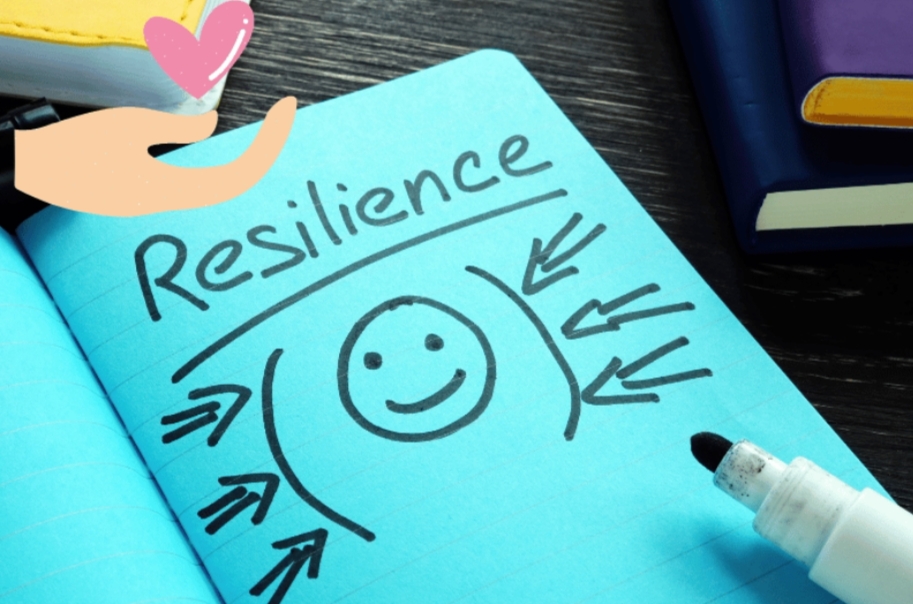
Resilience, the remarkable ability to bounce back from adversity, is a critical trait for children’s mental health and overall development. For more insights and resources, visit Dr. Chriszto’s website. Developing resilience in children is not just about helping them handle stress and challenges more effectively in the moment; it also lays the foundation for a healthier, more adaptive future. Resilient children are better equipped to navigate the complexities of life, including academic pressures, social dynamics, and personal setbacks, with greater ease and confidence.
In understanding resilience, it’s important to recognize that it encompasses a wide range of skills and attributes. These include emotional regulation, problem-solving abilities, a positive outlook, and a supportive social network. Each of these components plays a vital role in how a child perceives and responds to adversity. By fostering resilience, we can help children develop a toolkit of strategies and resources that will serve them well throughout their lives.
This comprehensive guide aims to provide parents, caregivers, and educators with the knowledge and strategies needed to support and build resilience in children. It covers various aspects of resilience, from its definition and importance to the factors that influence it and the practical steps that can be taken to nurture it. By integrating these insights into everyday interactions with children, adults can ensure that young individuals are well-equipped to face life’s inevitable ups and downs.
Understanding Resilience
Definition of Resilience:
Resilience is defined as the capacity to recover quickly from difficulties and adapt well to adversity, trauma, tragedy, threats, or significant sources of stress. This trait allows individuals to maintain their mental health and well-being despite challenging circumstances.
Importance of Resilience:
Resilient children are better equipped to handle the stresses and challenges of everyday life. They are more likely to succeed academically, socially, and emotionally. By fostering resilience, we can help children develop into well-rounded individuals who are capable of facing life’s obstacles with confidence and competence.
Factors Influencing Resilience
Family Support:
A nurturing and supportive family environment is foundational to building resilience in children. Emotional security provided by family members helps children feel safe and valued, which is crucial for their mental well-being. Family support includes active listening, providing encouragement, and creating a stable home environment. This support is especially important for children with an ADHD diagnosis, as they often face additional challenges in managing their behavior and emotions. Consistent family involvement can significantly enhance their ability to develop resilience. For more information on supporting children with ADHD, click here.
Positive Relationships
Positive relationships, including friendships and social networks, offer crucial layers of support for children. Interactions with peers and adults outside the immediate family contribute significantly to a child’s sense of belonging and self-worth. These relationships provide a variety of benefits, from emotional support to practical assistance. For example, a child who has friends to share experiences with is more likely to feel understood and valued. Moreover, adults outside the family, such as teachers and coaches, can serve as positive role models, demonstrating healthy ways to handle challenges and interact with others.
Strong social connections help children develop critical social skills, such as communication, empathy, and cooperation. Engaging in group activities, whether it’s a sports team, a club, or a classroom project, allows children to practice these skills in a supportive environment. These interactions also help children learn to navigate social dynamics, such as resolving conflicts and understanding different perspectives, which are essential for their personal growth and development.
- Develop social skills like communication, empathy, and cooperation.
- Provide emotional support and practical assistance through friendships.
- Offer positive role models in teachers, coaches, and other adults.
- Help children navigate social dynamics and resolve conflicts.
Healthy Lifestyle
A healthy lifestyle is foundational to both physical and mental well-being in children. Proper nutrition, adequate sleep, and regular physical activity are vital components that contribute significantly to a child’s overall health. A balanced diet rich in essential nutrients supports brain function and development, providing the energy needed for learning and play. Nutrients like omega-3 fatty acids, found in fish, and vitamins from fruits and vegetables, are particularly important for cognitive health and emotional stability.
Adequate sleep is another critical factor, as it allows for mental and physical recovery. During sleep, the brain processes information learned throughout the day and the body repairs itself. Children who get enough sleep are more likely to have better attention spans, improved memory, and enhanced problem-solving skills. Establishing a consistent bedtime routine can help ensure that children get the rest they need.
Regular physical activity is equally important, as it promotes overall health and well-being. Exercise releases endorphins, which are natural mood enhancers, reducing stress and promoting a positive outlook. Physical activities, whether organized sports, dance, or simple outdoor play, also help children develop motor skills, build strength, and improve coordination. Encouraging an active lifestyle from a young age can foster lifelong healthy habits.
- Ensure a balanced diet rich in essential nutrients for brain function.
- Promote adequate sleep to support mental and physical recovery.
- Encourage regular physical activity to release mood-enhancing endorphins.
- Develop lifelong healthy habits through consistent routines and active play.
Strategies to Build Resilience
Encourage Problem-Solving Skills:
Teaching children to tackle problems independently is essential for building resilience. Encourage them to think critically and come up with solutions to their challenges. This helps them develop confidence in their ability to handle difficulties and fosters a sense of competence.
Promote Emotional Awareness:
Helping children recognize and express their emotions is a crucial aspect of building resilience. Teach them to identify their feelings and understand that all emotions are valid. Encourage open discussions about emotions and provide tools for managing them, such as journaling or talking to a trusted adult.
Foster a Growth Mindset:
Encouraging a growth mindset—the belief that abilities and intelligence can be developed through effort and perseverance—can significantly enhance resilience. Teach children that failures and setbacks are opportunities for learning and growth, rather than reflections of their abilities.
Provide Opportunities for Success:
Give children tasks that are appropriately challenging and achievable. Success in these tasks builds their confidence and reinforces their belief in their capabilities. This sense of achievement can motivate them to take on new challenges and persist in the face of difficulties.
Practical Activities for Building Resilience
Mindfulness and Relaxation Techniques:
Activities such as deep breathing, meditation, and progressive muscle relaxation can help children manage stress and stay calm in difficult situations. Practicing mindfulness helps children stay present and reduces anxiety about future challenges.
Role-Playing Scenarios:
Engaging in role-playing activities allows children to practice responding to challenging situations in a safe and supportive environment. This can improve their problem-solving skills and boost their confidence in handling real-life challenges.
Creative Expression:
Encouraging creative outlets such as art, music, and writing provides children with a means to express their emotions and process their experiences. These activities can be therapeutic and help children make sense of their feelings and thoughts.
Parental Role in Building Resilience
Model Resilient Behavior
Children learn a great deal by observing the adults around them. Demonstrating resilient behavior, such as handling stress calmly and constructively, sets a positive example for children to follow. Show them how to face challenges with a positive attitude and perseverance. By modeling these behaviors, children can understand that setbacks are a natural part of life and that they can be overcome with determination and a positive mindset.
- Demonstrate calm and constructive responses to stress.
- Exhibit a positive attitude when facing challenges.
- Show perseverance in overcoming setbacks.
Maintain Open Communication
Encourage children to talk about their feelings and experiences. Listen actively and validate their emotions without judgment. Open communication fosters trust and helps children feel understood and supported. This dialogue creates a safe space for children to express their thoughts and emotions, enhancing their emotional resilience and ability to cope with difficulties.
- Encourage open discussions about feelings and experiences.
- Actively listen and validate children’s emotions.
- Create a safe and supportive environment for emotional expression.
Offer Consistent Support
Be a reliable source of comfort and guidance for your child. Consistent support from parents and caregivers provides a stable foundation for children to explore and navigate their world. Celebrate their successes and offer reassurance during setbacks. This steady presence helps children feel secure and supported, reinforcing their confidence to face challenges head-on.
- Provide a stable and nurturing environment.
- Celebrate achievements and offer positive reinforcement.
- Offer reassurance and support during difficult times.
Final Thoughts
Building resilience in children is a proactive approach to supporting their mental health and preparing them for life’s challenges. By understanding the importance of resilience and implementing the strategies outlined in this guide, parents, caregivers, and educators can help children develop the skills they need to navigate adversity successfully. Resilient children are more likely to thrive in all areas of life, becoming well-adjusted, capable adults. Investing in resilience-building practices today can lead to a brighter, more resilient future for our children.