
Community
Buying Virtual Cards Online: Demystifying the Digital Age
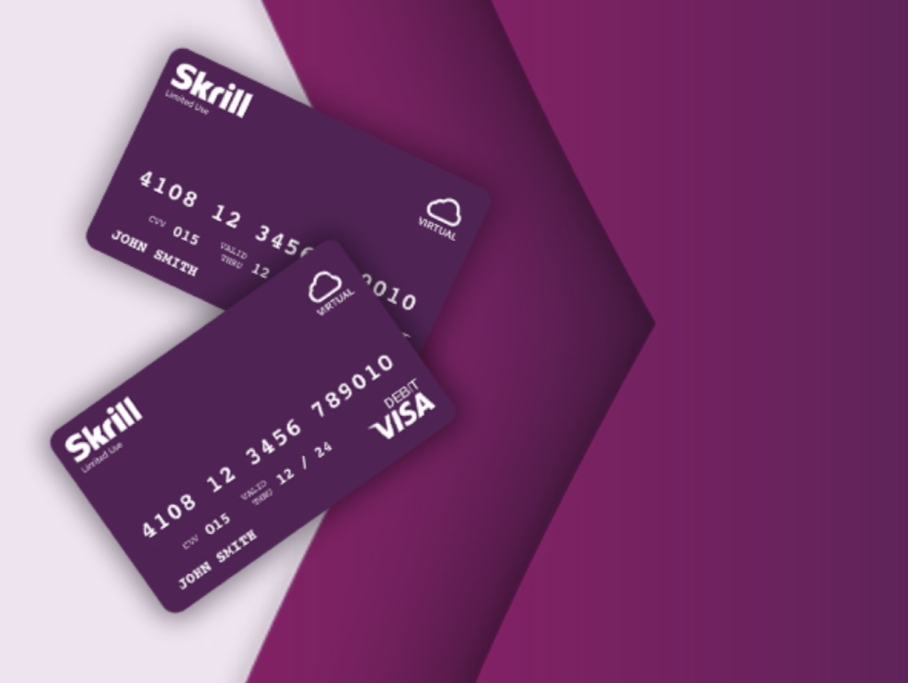
In today’s increasingly digital world, physical cards are slowly becoming relics of the past. From gift cards to prepaid debit cards, a convenient alternative has emerged – virtual cards.
These digital counterparts offer instant access to funds, increased security, and flexibility in online transactions. If you’re unfamiliar with virtual cards or unsure where to begin, this comprehensive guide is here to help.
Understanding Virtual Cards: A Convenient Solution
A virtual card is essentially a digital representation of a physical credit, debit, or prepaid card. It functions similarly, allowing you to make online purchases without needing a plastic card.
Virtual cards come with a unique card number, expiration date, and CVV code, just like their physical counterparts. However, they exist solely within the digital realm, stored on your phone or within a dedicated app provided by the issuer.
The Advantages of Using Virtual Cards
Virtual cards offer several advantages over traditional plastic cards:
Enhanced Security: Virtual cards are less susceptible to physical theft or loss, minimizing the risk of unauthorized transactions. Some virtual card providers offer additional security features like one-time CVVs that change with each purchase.
Instant Access: Once issued, you can use virtual cards immediately for online purchases. No waiting for a physical card to arrive in the mail.
Increased Control: Many virtual card providers offer features like setting spending limits and transaction monitoring, allowing you to manage your finances more effectively.
Improved Convenience: No need to carry multiple physical cards. Virtual cards can be easily accessed and used from your smartphone or any device with an internet connection.
Subscription Management: Virtual cards can be ideal for subscriptions with recurring fees. You can easily set spending limits or deactivate them once the subscription is no longer needed.
International Transactions: Virtual cards often avoid foreign transaction fees associated with some physical cards, making them a better option for international purchases.
Types of Virtual Cards Available
There are different types of virtual cards available online, catering to various needs:
Virtual Credit Cards: Replicate the functionality of traditional credit cards, allowing you to spend within your credit limit and repay later.
Virtual Debit Cards: Directly connected to your existing bank account, allowing you to spend the available funds in your account.
Prepaid Virtual Cards: Similar to prepaid debit cards, you load them with a specific amount beforehand and spend only those funds. Ideal for online purchases where you want to avoid exceeding a budget.
Where to Buy Virtual Cards Online (Reputable Platforms)
The process to buy virtual card online depends on the provider you choose. However, some of the most reputable platforms for buying virtual cards include:
Neteller: A well-established e-wallet provider offering virtual cards linked to your Neteller account. Provides secure and convenient online transactions.
Paysafe: Another popular e-wallet provider with virtual card functionality. Offers prepaid virtual cards for added security and budget control.
Visa/Mastercard Virtual Cards: Some major banks partnered with Visa or Mastercard offer virtual cards connected to your existing bank account. Availability depends on your bank and their specific offerings.
Fintech Startups: Several innovative fintech startups specialize in virtual card solutions. These platforms often cater to specific needs like international transactions or business expenses.
Choosing the Right Virtual Card Provider:
When selecting a virtual card provider, consider the following factors:
Security: Choose a reputable provider with robust security measures like encryption and fraud protection.
Fees: Be aware of any fees associated with acquiring or using the virtual card, including issuance fees, transaction fees, or inactivity fees.
Features: Consider features like spending limits, transaction tracking, and one-time CVVs depending on your needs.
Compatibility: Ensure the provider’s virtual card solution is compatible with the online merchants you use.
Customer Support: Reliable customer support is crucial in case of any issues with your virtual card.
Using Your Virtual Card Safely:
Following these safety tips ensures a secure and positive experience with virtual cards:
Only purchase virtual cards from reputable sources.
Never share your virtual card details with anyone.
Enable security features offered by the provider like one-time CVVs and transaction monitoring.
Monitor your virtual card activity regularly for suspicious transactions.
Report any unauthorized activity or suspected fraud immediately.
The Future of Virtual Cards: A Shift Towards Digital Transactions
The rise of virtual cards reflects a broader trend towards digital payments. Their convenience, security benefits, and growing global acceptance make them a viable alternative to traditional plastic cards. As online transactions become increasingly commonplace, virtual cards are likely to become even more widespread, offering a secure.
FAQs
What are the risks of using virtual cards?
While virtual cards offer security advantages, there are still some potential risks:
Phishing scams: Be cautious of emails or websites requesting your virtual card details. Only provide information through the official platform of your chosen provider.
Malware: Ensure your devices are protected with reliable antivirus software to avoid malware that steals virtual card information.
Provider fraud: While uncommon, research the reputation of the virtual card provider before using their services.
Can I use a virtual card for everything I can use a physical card for?
Virtual cards are primarily designed for online transactions. Their acceptance for in-person purchases may vary depending on the provider and the merchant’s specific policies.
What happens if my virtual card expires?
Most virtual cards have expiration dates similar to physical cards. However, the renewal process is usually simpler, often done electronically through your provider’s platform.
Can I get a refund if I make a purchase with a virtual card?
The refund policy for virtual cards is generally the same as for physical cards. It depends on the merchant’s policy and the specific transaction.
How do I close a virtual card account?
The process for closing a virtual card account depends on the provider. Most offer options to do so through their online platform or mobile app.
Are there any tax implications for using virtual cards?
Virtual card transactions are subject to the same tax regulations as physical card transactions. Consult a tax professional if you have any specific questions.
What are some emerging trends in the virtual card space?
Virtual cards linked to loyalty programs: Offering rewards and cashback for virtual card purchases.
Virtual cards for specific purposes: Tailored solutions for business expenses, travel, or online subscriptions.
Increased integration with digital wallets: Making virtual card management even more seamless.
In today’s digital age, virtual cards offer a compelling alternative to traditional plastic cards. They provide instant access to funds, enhanced security features for online transactions, and convenient management tools.
Whether you’re looking for increased control over your finances, improved security for online purchases, or a hassle-free way to manage subscriptions, virtual cards offer a solution.
As you navigate the increasingly digital landscape, consider incorporating virtual cards into your financial toolkit.
By understanding the different types available, choosing a reputable provider, and prioritizing security measures, you can reap the benefits of virtual cards while ensuring a safe and positive experience.
Remember, virtual cards are a secure and convenient way to embrace the future of digital transactions.