
Community
Can You Use Your Office And Premises To Finance Your Business?
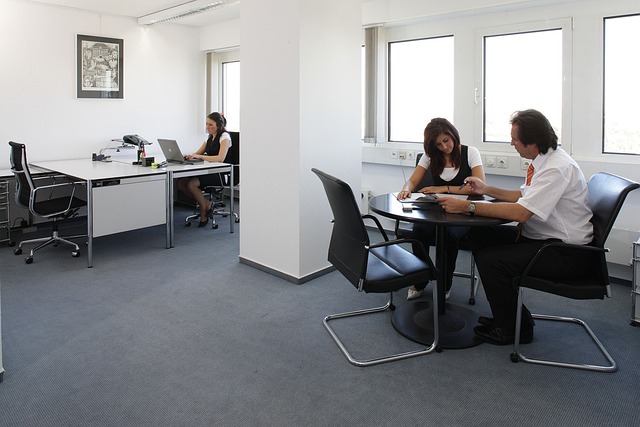
For those looking to raise money or access finance for working capital, the office space can be an untapped and viable opportunity.
For those people that live in or own their offices or places of work, such as medical practices, buy to let properties, garages or workspaces, there could be an opportunity to use your location as a way to borrow large sums.
This injection of cash could be used to keep the business afloat, pay important bills and staff, boost cash flow or significantly grow the business. We give a number of smart ways that you can use your office or workplace to raise capital.
-
Commercial Mortgages
One of the primary ways businesses in the US leverage their office spaces and premises is through commercial mortgages.
Commercial mortgages are essential types of business loans secured by the borrower’s commercial property. For businesses that own their office space, this presents an opportunity to unlock the equity tied up in the property. These funds can then be used for a range of purposes, including expansion, renovations, equipment purchases, or working capital.
-
Sale and Leaseback Transactions
Another strategy involves sale and leaseback transactions, where a business sells its property to an investor and then leases it back.
This arrangement allows the business to free up capital tied to the property while retaining the use of the premises. It’s a flexible solution that provides immediate liquidity without disrupting day-to-day operations. Many businesses find this approach particularly useful when they need a substantial cash injection without taking on additional debt.
-
Home Equity Loans for Small Businesses
Small business owners operating from home or working remotely or utilizing residential properties for business purposes could look at home equity loans to raise money. In the US, homeowners can tap into the equity of their residential properties to secure funds for business needs.
While this is a more common strategy for small businesses, it underscores the principle of using real estate assets to finance business activities.
Whilst this has been used by some of the most successful companies in the world and for those people starting out at Amazon and McDonalds, it presents huge risks if you cannot repay the loan because you could lose your residential home and find yourself moving out with your family.
If you feel this is too risky, you might look at some alternative short term loans which are unsecured.
-
Real Estate Crowdfunding
The rise of crowdfunding platforms, including those focused on real estate, has introduced a new dimension to property-based financing.
Businesses can engage in real estate crowdfunding by offering a stake in their properties to a group of investors. This approach democratizes access to real estate investments and can provide businesses with an injection of capital while maintaining ownership and operational control.
-
Refinancing Existing Mortgages
For businesses that already have mortgages on their properties, refinancing can be a strategic move.
By refinancing, a business can renegotiate the terms of the mortgage, potentially securing better interest rates or extending the repayment period. The released equity can then be used for various business purposes, offering a cost-effective way to access capital tied up in real estate.
-
Business Expansion and Renovation
Using office spaces and premises as collateral enables businesses to fund expansion and renovation projects. Whether it’s acquiring additional space, upgrading facilities, or investing in modernization, the capital unlocked in your office can fuel strategic initiatives that contribute to business growth.
-
Considerations and Risks
While leveraging office spaces and premises for financing offers numerous advantages, it comes with considerations and risks. Businesses should carefully assess the market value of their properties, the terms of financing, and the potential impact on day-to-day operations. Defaulting on property-backed loans can result in the loss of assets, making due diligence crucial. Additionally, economic factors and fluctuations in real estate values can influence the feasibility of this financing strategy.
In conclusion, using office spaces and premises to finance business activities is a viable strategy in the US market. It provides businesses with access to capital, leveraging the equity tied up in real estate assets. Whether through commercial mortgages, sale and leaseback transactions, home equity loans, or crowdfunding, businesses can strategically use their physical properties to unlock liquidity and fuel growth. However, careful assessment, due diligence, and an understanding of the regulatory landscape are essential to mitigate risks and make informed financial decisions.