
Community
Choosing the Perfect Fonts for a Stellar Website
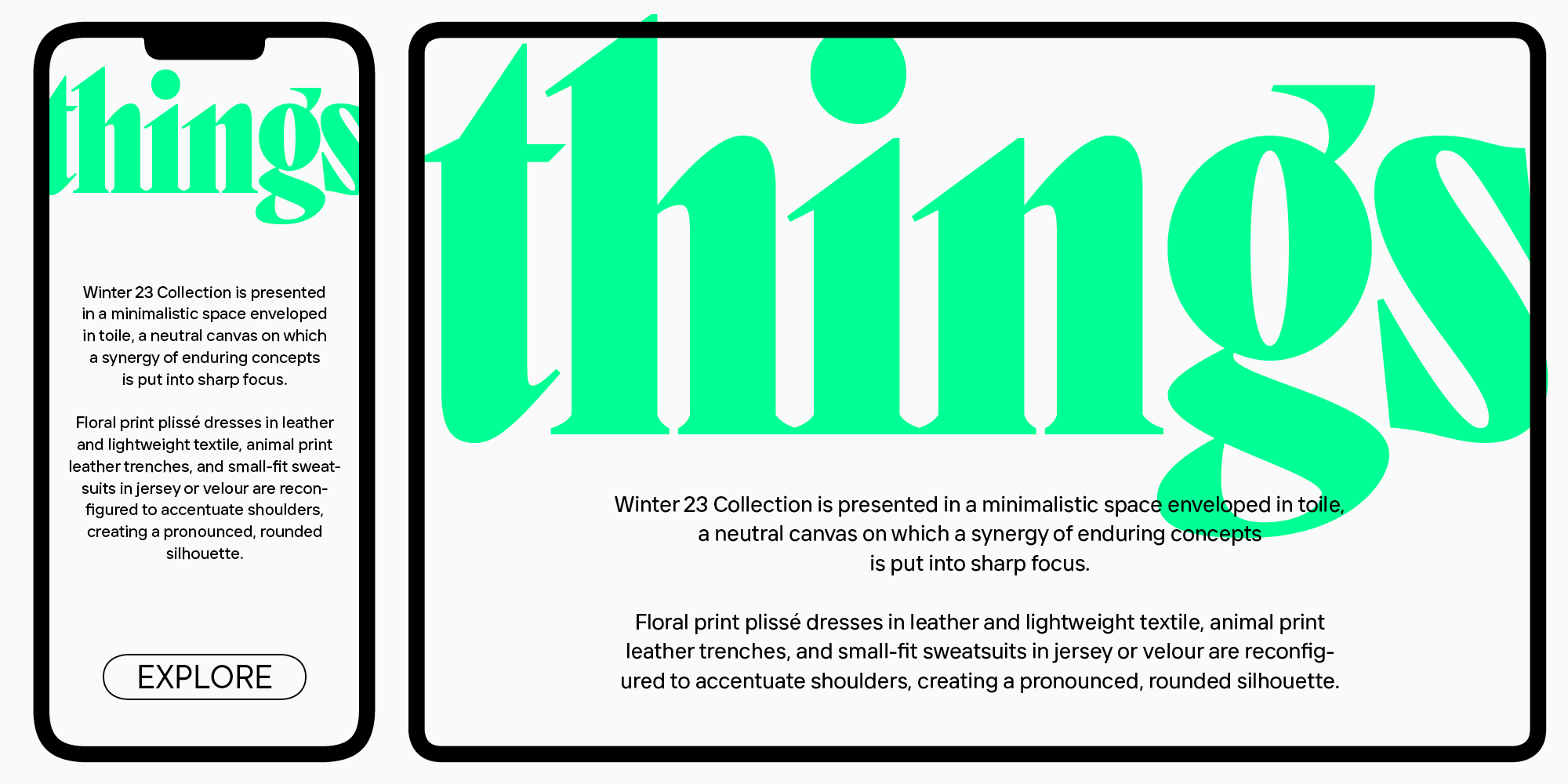
Your website is your digital storefront, a carefully crafted space that conveys your brand identity and engages visitors. But have you considered the power of fonts? Beyond simply ensuring text can be read, the fonts you choose play a crucial role in shaping user experience, building trust, and ultimately, driving conversions.
The Symphony of User Experience: How Fonts Play Their Part
Selecting the right fonts for website is not just about aesthetics; it’s about creating a harmonious user experience. Here’s how:
- Readability is Paramount: This might seem obvious, but it’s paramount. In today’s fast-paced digital world, users expect clear and easy-to-read content. Fonts with poor legibility or overly decorative styles can frustrate visitors and lead them to bounce off your website. Prioritize fonts like Arial, Open Sans, or Roboto for excellent readability across all devices.
- Guiding the User Journey: Fonts can act as visual cues, guiding users through your website. Use strategic variations in size, weight, and style to create a hierarchy of information. Bold headlines can grab attention, while clear and concise body text ensures users can effortlessly navigate your content.
- Building Trust and Credibility: The right fonts can inspire trust and confidence in your brand. Opt for professional and well-established fonts like Garamond or Times New Roman for a sense of authority, especially for websites dealing with finances or legal matters. Conversely, playful script fonts like Pacifico might be more suitable for a creative agency seeking to showcase a fun and approachable personality.
The Font Orchestra: Exploring a World of Options
When choosing fonts for your website, you have a diverse palette at your disposal:
- Sans-serif Fonts: Clean and modern, sans-serif fonts like Helvetica or Proxima Nova are popular choices for websites due to their excellent readability across screen sizes. They create a sense of approachability and work well for a wide range of businesses.
- Serif Fonts: Serif fonts, with their decorative flourishes, offer a sense of tradition and elegance. Fonts like Georgia or Playfair Display can elevate your website’s aesthetic, particularly for luxury brands or those aiming to project a sense of heritage.
- Script Fonts: These fonts, inspired by handwriting, can inject personality and informality. Fonts like Pacifico or Lobster can be ideal for headlines or short text snippets, but use them cautiously as readability can be an issue for longer blocks of text.
Finding the Perfect Harmony: Balancing Readability with Aesthetics
While aesthetics are important, prioritize readability when selecting fonts for your website. Here’s how to strike the right balance:
- The 2-Font Rule: A common practice is to stick to a maximum of two font families for your website. This ensures visual consistency and avoids overwhelming users with too many competing styles.
- Test for Readability: Don’t just rely on visuals; test your chosen fonts across different screen sizes and devices. Ensure the text remains clear and easy to read, especially on mobile devices with smaller screens.
- Consider Pairing Fonts: Sometimes, combining a sans-serif font for body text with a serif font for headlines can create a visually appealing and impactful combination. However, ensure the chosen fonts complement each other and don’t clash in terms of style or weight.
Optimizing Your Font Choices for Maximum Impact
Choosing the right fonts is just the beginning. Here’s how to optimize them for your website:
- Font Size and Hierarchy: Use variations in size to create a hierarchy of information. Headlines should be larger and bolder, while body text should be slightly smaller and easier on the eyes.
- Line Length and Spacing: Ensure appropriate line length and spacing between lines of text to enhance readability. Avoid long and narrow columns that can cause eye strain, especially for mobile users.
- Color Contrast: Ensure adequate contrast between the font color and the background color for optimal legibility. This is especially crucial for users with visual impairments.
- Responsive Design: Remember, your website should be responsive and adapt to different screen sizes. Fonts should render well and remain readable across various devices.
Beyond the Basics: Resources and Inspiration
- Google Fonts: A vast library of free, open-source fonts from Google, offering a diverse range of styles for website design.
- Font Pairings Inspiration Websites: Websites like Typewolf and Fontjoy offer valuable tools and resources to help you find the perfect font pairing for your website.
- Website Design Inspiration Platforms: Platforms like Behance and Dribbble showcase award-winning website designs, offering valuable insights into how fonts are used effectively.