
Community
Delicious and Nutritious: High Protein Soft Food Recipes for the Elderly
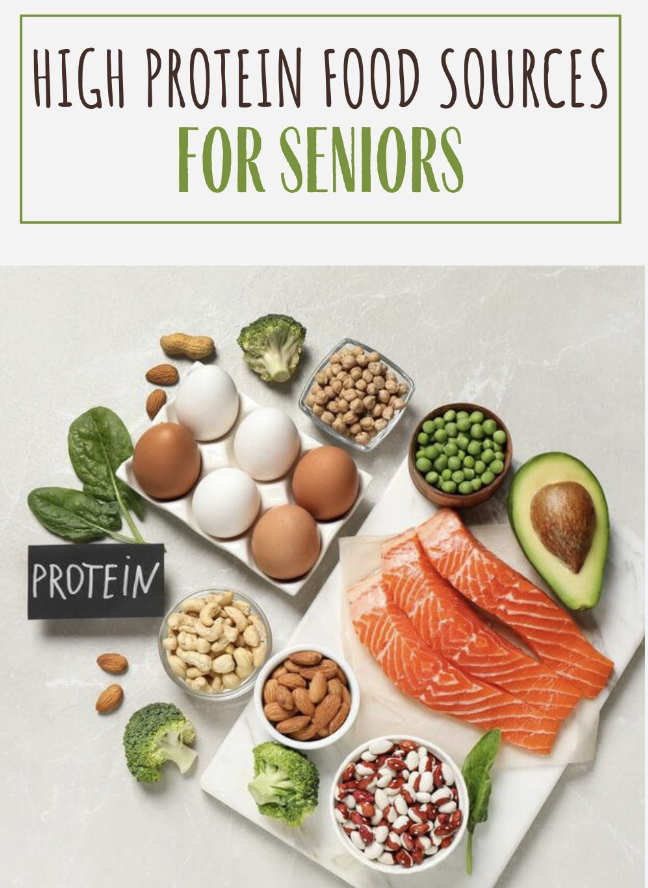
A healthy meal includes a balance of carbohydrates, good fats, and protein. One of these macronutrients, i.e., protein, is especially essential as it improves functionality, maintains muscle mass, and helps the body repair itself after injury. We have put together a treasure trove of high-protein soft food recipes that are delicious and nutritious and come together with a handful of ingredients. Including the following foods and recipes in meals can improve their nutritional profile and promote satiety. As Dr. Shaina McQuilkie, DC from Modern60 says “Soft foods for elderly can be crucial if they are unable to properly chew and swallow standard meals.”
When Should Soft Foods Be Considered?

When thinking about a soft food diet, there are several indicators to be aware of. It’s rare for an elderly individual to express a desire for this diet, so watch for these telltale signs:
- Underweight senior
- Missing teeth and difficulty chewing
- Pushing meals away before even trying a bite
- Unintentional weight loss
- Skipping meals
- Coughing frequently during meals
- Grimacing after taking a bite
- Pushes away hard pieces of foods
- Noted calorie intake decrease
- Preferring fluids or drinks instead of eating
- Noted muscle mass decrease
These are just a few things to look out for, but the good news is that many of these can be dealt with through a delicious soft food diet.
List of High-Protein Soft Food Recipes for the Elderly
1. Lima beans
Lima beans have a host of health benefits. They are a great source of plant-based protein, rich in B vitamins, iron, and fiber—these support not only the body’s nutritional requirements but also digestive health. When cooked to a tender consistency, lima beans make for a delightful option if you want a soft and protein-rich addition to your meals. Explore recipes like creamy lima bean soup or flavorful bean salads that are easy to chew and full of protein. For a colorful and nutrient-packed plate, eat them with a medley of cooked vegetables, such as bell peppers, tomatoes, or steamed broccoli. For a complete protein option, pair slow-cooked lima beans with boiled rice.
2. Chickpeas
Chickpeas become a delectable spread, dip, or base for salads when blended into creamy hummus. It pairs well with slow-roasted vegetables or fluffy, soft pita bread and makes for a creamy, protein-packed sauce for pasta. Tahini, made from toasted sesame and a main ingredient in hummus, gives it a boost of protein and B vitamins.
Chickpea-based recipes, like pasta salads, Mediterranean-inspired bowls, and curries, showcase the adaptability of chickpeas in different cuisines. For a complete protein meal, pair chickpeas with boiled rice.
3. Pinto beans
When soaked overnight and slow-cooked, pinto beans provide a soft and comforting texture, making them an ideal option for a protein-packed and wholesome meal that is easy to chew. Explore hearty options like pinto bean and vegetable chili, a warm and flavorful dish perfect for winter evenings. Alternatively, try incorporating them into Mexican-inspired recipes, such as stuffed, slow-roasted bell peppers with seasoned beans or pinto bean enchiladas. Adding a generous amount of sauce is the trick to making enchiladas soft and chewy.
For a quick and nutritious snack, whip up a batch of seasoned pinto bean dip, ideal for pairing with roasted veggies like carrots and beetroot. Adding half a cup of yogurt will increase its protein and make it creamy. Opting for pinto beans ensures a fiber-rich addition to your meal, promoting digestive health and a lasting sense of fullness. Pinto beans have vital nutrients like B vitamins, iron, and potassium that support energy metabolism and contribute to overall well-being.
4. Edamame
Consider incorporating edamame dips into vibrant stir-fries for a protein boost. You can pair the edamame dip with a boiled quinoa salad for a wholesome and satisfying meal. Enjoy some smashed edamame with sea salt or a dash of your favorite spices for a simple yet flavorful snack. Not only is edamame a high-protein choice, but it also has essential nutrients, including fiber, folate, iron, and calcium.
5. Tofu
Tofu can be prepared in various ways to suit different tastes and cuisines. Pair some silken tofu with roasted, pureed veggies, or use it as a ground meat substitute in dishes like tacos or pasta sauces. Tofu’s ability to absorb flavors allows it to readily take on the taste of marinades or seasonings. Nutritionally, tofu offers an array of benefits. It is a complete protein source, providing all essential amino acids. Plus, it is fermented, which makes it easy to digest and a good source of probiotics.
Tofu is also a good source of iron, calcium, and magnesium, contributing to overall bone health. It is versatile and can be used as a base for savory and sweet recipes. If you have a sweet tooth, you can blend a cup of silken tofu, a tablespoon of maple syrup, and melted chocolate for a delicious mousse. You can top it with stewed berries for some added protein.
6. Tempeh
Tempeh, a textural wonder with a nutty undertone, emerges as a hearty and wholesome plant-based protein option for vegans. Its texture and robust flavor make it a standout ingredient, capable of holding its own in various dishes. Tempeh’s fermentation process enhances its taste and gut-friendly probiotics. Crumbled tempeh can bump up the protein in cooked salads or be used as a curry base.
7. Greek yogurt
Greek yogurt is known for its protein content and creamy texture, making it an excellent choice if you want to increase your protein intake. It is also an excellent source of good fats, probiotics, calcium, and B vitamins. Incorporate it into breakfast meals by pairing Greek yogurt with stewed berries and a drizzle of honey for a protein-packed parfait. For a savory twist, use it as a base for cucumber and dill tzatziki, or if you prefer something sweet, add it to fruit smoothies for a quick, on-the-go post-workout meal.
8. Cottage cheese
Cottage cheese has a mild flavor and a creamy texture, making it an excellent addition to savory and sweet recipes. It is rich in good fats, protein, and calcium, all essential for stimulating collagen production, supporting muscle health, and maintaining overall well-being. Add it to your daily recipes as a standalone snack, or mix it with stewed fruits for a delightful and protein-packed dessert. For a savory option, pair cottage cheese with roasted tomatoes or grated cucumber for a light and satisfying salad. Blend it into smoothies for added creaminess and protein, or use it as a base for curries and pasta.
9. Eggs
Whether scrambled, poached, or hard-boiled, eggs make for a nutritious addition to any meal. Consider making Turkish eggs, a delectable, savory dish packed to the gills with protein. This dish combines poached eggs with creamy yogurt, garlic, and a drizzle of olive oil, creating a flavorful and protein-packed breakfast or brunch.
For a simpler approach, try a classic omelet with a variety of colorful, cooked vegetables, herbs, and a sprinkle of cheese. The combination not only enhances the taste but also adds extra nutrients to your meal. For a quick snack, mash boiled eggs with some mayonnaise. From fluffy frittatas and creamy curries to savory muffins, there is no dearth of soft egg recipes to try out.
10. Chicken
Chicken is an excellent source of lean protein and relatively easy to digest compared to meat. Its adaptability to various cooking styles and flavors makes it a go-to option for taste and health. Delight your palate with Tuscan chicken, a dish that infuses the tenderness of slow-cooked chicken with the vibrant flavors of sun-dried tomatoes, garlic, and spinach. For a simpler yet equally satisfying option, consider slow-roasted chicken soup. Pair them with a sweet potato mash or steamed broccoli for a balanced and easy-to-enjoy meal.
11. Ground meat
When cooked and seasoned, ground meat takes on a savory profile. Adding lean varieties like turkey or lean beef is an excellent way to boost protein in meals and make them heart-healthy. Explore diverse recipes, such as savory meatballs or ground meat soup. These can be paired with cooked vegetables like spinach, zucchini, or mashed cauliflower for a wholesome and balanced meal.
12. Fish
Fish, like tilapia, snapper, and sockeye salmon, are fantastic protein sources, rich in flavor and essential nutrients. Gently cooked and flaked fish is soft and easy to chew. Opt for lean choices like cod or salmon for a heart-healthy dose of omega-3 fatty acids. Delight your taste buds with flaky fish stew or succulent fish cakes. Pair these with roasted veggies like mashed peas or sweet potatoes for a well-rounded meal. Quite a few varieties of fish are rich in B12, which aids in protein synthesis and contributes to overall health.
Final Thoughts
Ensuring adequate nutrition for elderly individuals with chewing and swallowing difficulties is crucial for maintaining health, independence, and quality of life. The soft, high protein recipes provided offer nutritious and appetizing options that can help meet nutritional needs in this population. Implementing these recipes can aid in preventing unwanted weight loss and malnutrition, while providing enjoyable mealtimes.
With creativity and care, soft food meals can be just as nutritious and delicious as any other diet. The key is focusing on nutrient-dense ingredients that pack a protein punch, even when mechanical softness is a requirement. With some thoughtful planning and preparation, family members and caregivers can provide home-cooked, nutritious soft food meals that are both beneficial for health and a pleasure to eat.