
Community
Dr. David Burkett on Pulmonary Arterial Hypertension: Strategies for Diagnosis and Management
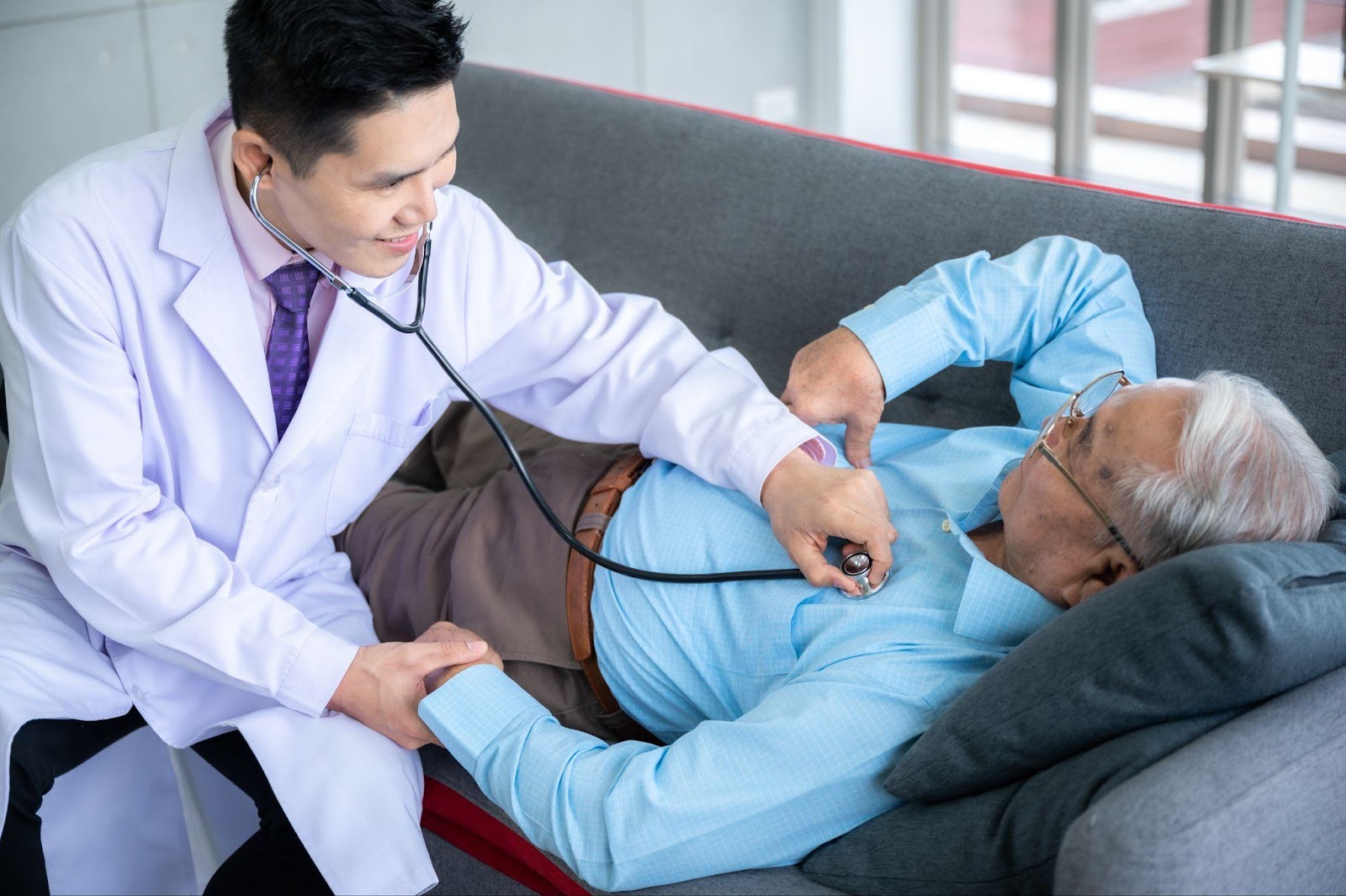
Pulmonary Arterial Hypertension (PAH) is a form of high blood pressure affecting the arteries in the lungs and the right side of the heart. It’s a condition that requires heightened awareness due to its complexity and the subtlety of its symptoms, which often resemble those of less severe illnesses. This can lead to misdiagnosis or delays in proper treatment. Understanding, identifying, and managing PAH is crucial as it involves a combination of aggressive medical therapies, potential medical interventions, and lifestyle adjustments. The treatment and management of PAH are tailored to the individual’s needs and include multiple medications that target the etiology, and, in some cases, surgery. Over the last 30 years, research has made significant strides in improving the quality of life for those affected, with ongoing studies promising new possibilities for patient care as discussed by cardiologist Dr. David Burkett. Dr. David Burkett has been treating PAH for 30 years, and trained at one of the most notable PAH centers in the United States; Baylor College of Medicine in Houston, Texas.
Overview of Pulmonary Arterial Hypertension (PAH)
Pulmonary Hypertension is a complex pulmonary disorder characterized by high blood pressure in the arteries of the lungs. Pulmonary Hypertension can develop secondary to a heart disorder. Pulmonary Artery Hypertension (PAH), is a primary pulmonary problem where the lungs pressures become elevated due to a primary lung problem. This condition often goes undetected due to its subtle onset and the general nature of its early symptoms. Early detection plays a critical role in managing the progression of PAH, significantly improving the quality of life and survival rates for those affected.
The causes of PAH are multifaceted, involving genetic predispositions, environmental factors, and other associated health conditions, such as connective tissue diseases and heart abnormalities. Awareness of these risk factors is crucial as it guides individuals and healthcare providers in taking proactive measures toward early diagnosis and management. Understanding these elements helps spread awareness and educate those at risk about the importance of regular health check-ups, which can lead to timely intervention and better disease management.
Identifying Symptoms and Seeking Medical Advice
The early signs of Pulmonary Arterial Hypertension often mimic those of less severe illnesses, which can lead to misdiagnosis or delays in proper treatment. Symptoms such as shortness of breath during routine activities, fatigue, dizziness, and chest pain are common. Yet, they differ from other forms of hypertension that typically do not involve these types of respiratory symptoms. Recognizing these distinct signs is vital for timely medical consultation. It has been proven that proper PAH diagnosis may be delayed 8-10 years, as it is a rare disease and often not considered as a potential illness in many patients, as the symptoms are often not specific for a primary lung disease. Delayed diagnosis affects long term improvement and survival. Thus, it is vital to get evaluated for PAH when symptoms are vague, progressive, and when heart problems, COPD, and emphysema have been excluded.
Patients should seek medical advice if they experience unexplained and persistent symptoms that disrupt their daily routines. Timely engagement with healthcare professionals ensures that appropriate diagnostic tests are conducted, which is crucial in ruling out other potential causes and verifying a diagnosis of PAH.
Diagnostic Strategies for PAH
The initial approach to diagnosing Pulmonary Arterial Hypertension involves a detailed medical history and a physical examination. Healthcare providers assess symptoms, family health history, and any potential exposure to factors that could contribute to PAH. Following the initial assessment, specialized tests such as echocardiograms, which use sound waves to create moving images of the heart, play a pivotal role in observing the heart’s function and checking for abnormalities in the pulmonary arteries.
Further diagnostics are often achieved through more advanced procedures like right heart catheterization, which measures the pressure in the pulmonary arteries and evaluates the heart’s efficiency. Cardiology and pulmonary medicine specialists are also involved, ensuring a comprehensive evaluation and formulating an effective management plan. This collaborative approach enables a thorough understanding of the patient’s condition, guiding the subsequent treatment strategy.
Treatment Approaches and Personalized Care
Pulmonary Arterial Hypertension requires a multifaceted treatment plan that often includes medications such as vasodilators, anticoagulants, and diuretics to help manage symptoms and slow disease progression. Many medications have been developed over the last 30 years to both slow down PAH progression, improve patient quality of life, and extend patient longevity. Surgical options, while less common, may include procedures like atrial septostomy or transplantation in advanced stages. Tailoring these treatments to individual needs is paramount, as each patient’s condition is uniquely influenced by factors like age, underlying causes, and overall health.
Personalized care plans are crucial for effectively managing PAH. These plans may involve regular monitoring, adjustments in therapy, and lifestyle changes, such as nutritional counseling and physical therapy, to improve outcomes. Emphasizing patient-centered care, healthcare providers work closely with patients and their families to ensure that treatments are effective and sustainable over the long term.
Living with PAH
Management and living with Pulmonary Arterial Hypertension is challenging and requires comprehensive support and self-management strategies to maintain quality of life. Daily management includes adhering to treatment regimes, monitoring symptoms, and being vigilant about changes in one’s health. Support from loved ones, healthcare providers, and patient advocacy groups provides a network that empowers patients to navigate the complexities of the condition.
Educational resources and counseling can help patients and their families better understand the disease and cope with its emotional and physical demands. Regular follow-ups with healthcare teams ensure ongoing assessment and adjustment of treatment plans as needed.
Research Developments and Patient Resources
Recent advances in research have brought new insights into the pathophysiology of Pulmonary Arterial Hypertension, paving the way for innovative therapies that could potentially improve patient outcomes. Clinical trials and ongoing studies continue to explore the effectiveness of new pharmacological treatments and their long-term impacts on PAH patients.
Moreover, patients and caregivers seeking information and support have access to a wealth of resources. Patient advocacy organizations, online platforms, and community support groups offer tools and forums for sharing experiences and advice, significantly enhancing the support network available to those affected by PAH.