
Community
Dr. Shamini Parameswaran: Examining the CT Surgeon Shortage and How to Address It
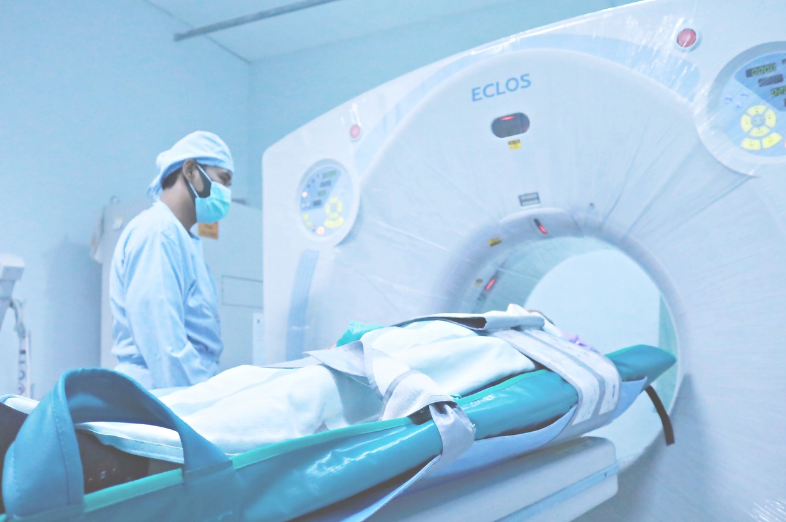
Cardiothoracic (CT) surgery plays a crucial role in managing cardiovascular diseases, yet there is a significant shortage of CT surgeons in the United States. This situation, expected to worsen in the coming years, poses an imminent challenge to providing timely and accessible CT surgery care to patients.
However, younger, well-trained surgeons like Dr. Shamini Parameswaran are rising to the occasion, committing themselves to help mitigate this shortage and becoming an essential part of the CT surgery workforce.
The Current State of CT Surgery Access
Access to high-quality, timely CT surgery care is a base need for patients. Expert professionals like Dr. Shamini Parameswaran and others strive relentlessly to offer the necessary care to meet this growing demand. Their commitment and proficiency in patient care play a vital role in ensuring patients receive the requisite surgical interventions. Research reveals the global burden of cardiovascular diseases and the notable number of individuals who lack access to safe, timely, and affordable cardiac surgical care. Hence, the need to expand the CT surgery workforce has become vital.
The surgeon shortage in the US is indeed a matter of grave concern. Due to aging populations and an increased prevalence of cardiovascular diseases, there is a surge in the demand for CT surgery. Yet, the number of trained CT surgeons isn’t growing at a comparable pace, leading to a gap in healthcare access. Extended wait times and limited access to specialized care are some by-products of this issue.
Dr. Shamini Parameswaran and her peers represent a new generation of CT surgeons focused on addressing this shortage. These young surgeons, equipped with comprehensive training and necessary skills, can perform intricate CT surgeries. Their expertise and dedication to patient care make them an invaluable resource in meeting the escalating demand for CT surgery services.
Role of a Multidisciplinary Approach
CT surgery calls for a multidisciplinary approach involving cardiac surgeons and professionals like anesthesiologists, cardiologists, intensivists, biomedical engineers, nutritionists, and more. Such collaborative efforts are fundamental to ensuring optimal patient outcomes.
Addressing the Shortage through Education, Research and Funding
Efforts are underway to mitigate the CT surgeon shortage via education, research, and funding. Contemporary training methods like simulation training have become beneficial tools, further enhanced by online learning platforms and virtual conferences, especially during the COVID-19 pandemic. Research contributions and financial support are critical for advancing the CT surgery field. However, a significant disparity exists due to language and economic hurdles, limited advocacy, and insufficient research capacity, particularly in low- and middle-income countries (LMICs). This calls for equitable representation and more advocacy.
Funding is another crucial aspect. Current structures heavily rely on foreign aid, philanthropy, and private sector funding, often needing more consistency and sustainability. Innovative financing instruments could aid in scaling up cardiac surgical capacity and ensure long-term sustainability.
The lack of CT surgeons in the US throws up a significant challenge to providing timely and accessible CT surgery care. However, dedicated and well-trained CT surgeons like Dr. Shamini Parameswaran are part of the solution. By channeling efforts into education, research, and funding while recognizing the importance of a multidisciplinary approach and equitable representation, we can effectively confront the shortage of CT surgeons.