
Community
Faiz M Chowdhury Lists 10 Cutting-Edge Technologies Breathing New Life into Carbon Sequestration
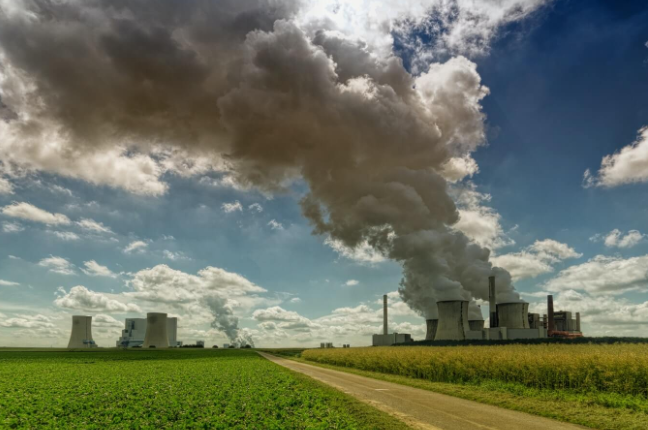
Faiz M Chowdhury explains that climate change is a pressing issue demanding innovative solutions. While reducing carbon emissions remains paramount, carbon sequestration offers a promising approach to capturing and storing existing atmospheric CO2. Thankfully, the field is brimming with exciting advancements, promising to revolutionize our fight against climate change. Let’s delve into 10 such technologies:
Direct Air Capture (DAC):
This technology captures CO2 directly from the air using specialized filters and then stores it permanently or utilizes it for various purposes. Advancements in material science and engineering are making DAC more efficient and cost-effective.
Enhanced Weathering:
This technique involves spreading crushed silicate rocks, like olivine, on land or in the ocean. These rocks react naturally with CO2, accelerating its conversion into stable mineral carbonates stored in the environment.
Biochar Sequestration:
Producing biochar, a charcoal-like substance, through the pyrolysis of biomass (plant or animal matter) captures carbon and improves soil fertility when applied. Research is ongoing to optimize production methods and maximize carbon storage potential.
CO2 Utilization:
Captured CO2 can be converted into valuable products like fuels, plastics, and building materials through various chemical and biological processes. This reduces reliance on fossil fuels and provides a valuable economic incentive for CO2 capture.
Microbial Electrolysis:
Faiz M Chowdhury notes that this technology utilizes microbes to convert CO2 and water into valuable organic compounds using electricity. This offers a potentially renewable and sustainable method for CO2 utilization.
Hydrothermal Carbonization (HTC):
Converts biomass into a stable, coal-like substance called hydrochar under high pressure and temperature. Hydrochar can be used for energy production or stored underground for long-term carbon sequestration.
Ocean Alkalinization:
Adding crushed alkaline minerals like limestone to the ocean can neutralize ocean acidification, a side effect of increased CO2, while also potentially promoting the growth of marine organisms that naturally capture carbon.
Bioenergy with Carbon Capture and Storage (BECCS):
This technology involves growing fast-growing biomass for energy production, capturing the CO2 emissions from the process, and storing it underground. BECCS has the potential to be carbon negative, meaning it removes more CO2 from the atmosphere than it releases.
Soil Carbon Sequestration:
Implementing improved agricultural practices like cover cropping, no-till farming, and composting can significantly enhance the natural ability of soils to store carbon.
Carbon Capture and Utilization with Mineralization (CCUM):
This approach combines capturing CO2 from industrial sources with its conversion into stable mineral carbonates for permanent geological storage. This offers a promising solution for mitigating emissions from hard-to-decarbonize industries.
Faiz M Chowdhury suggests that these are just a few examples of the exciting advancements revolutionizing carbon sequestration. As research and development continue, we can expect even more innovative solutions to emerge, offering hope for a future with a cleaner and more sustainable atmosphere. However, it’s crucial to remember that sequestration is not a replacement for reducing emissions. It’s a vital tool in our arsenal, but we must continue to focus on transitioning to renewable energy sources and adopting sustainable practices to combat climate change truly.