
Community
Gregg Shore Discusses The Beginner’s Guide to Kayaking: Getting Started with Paddling
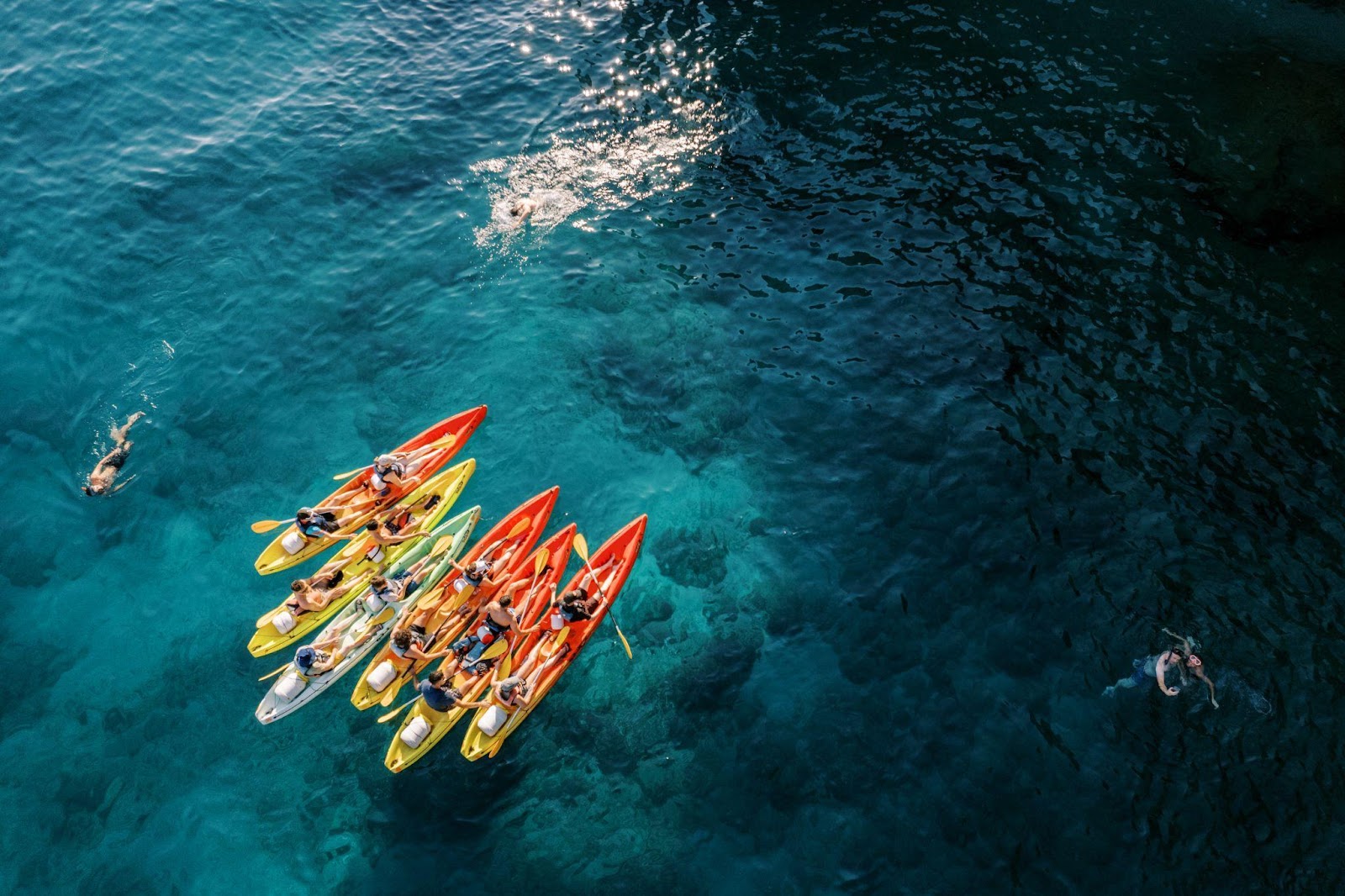
Welcome to kayaking, where exciting adventures await you! Gregg Shore guides you if you’ve always been curious about this sport but need help finding where to start. Staying safe on the water is essential. Take the challenge and dive in!
What Is Kayaking?
Kayaking is a renowned water sport that includes paddling in a small boat. It is a well-known activity that can be done in rivers, lakes, and even the ocean. It shares a unique opportunity to pursue nature and taste the thrill of gliding through the water. It is a grand way to stay active, enhance cardiovascular fitness, and tighten muscles. Whether you are a new or a skilled paddler, it offers opportunities for everyone.
What Are The Different Types Of Kayaking?
Recreational Kayaking
Recreational kayaking is a very popular type of kayaking.
- Gather safety gear: Bring essentials like a whistle, sunscreen, and a first aid kit.
- Dress appropriately: Wear comfortable clothing and footwear that can get wet.
- Find a suitable location: Start in calm, protected waters such as lakes or slow-moving rivers.
- Learn basic paddling techniques: Hold the paddle, perform basic strokes, and turn the kayak.
- Practice safety measures: Understand how to rescue yourself and others in case of a capsize.
Sea Kayaking
Sea kayaking is a thrilling way to pursue coastlines and enjoy marine wildlife.
- Get essential gear: Invest in a reliable paddle, personal flotation device, spray skirt, and safety equipment like a bilge pump and whistle.
- Master proper technique: Take a course to learn paddling strokes, maneuvering, and self-rescue techniques.
- Plan your trips: Research suitable locations, check weather conditions, and inform someone about your itinerary.
Whitewater Kayaking
Whitewater kayaking is an exhilarating water sport that involves navigating fast-moving rivers and rapids in a specialized kayak:
- Take a class specifically for whitewater kayaking to learn the necessary skills and safety techniques.
- Learn and practice basic paddling techniques, including forward and backward strokes, eddy turns, and bracing.
- Always prioritize safety by wearing a properly fitting personal flotation device (PFD), checking weather conditions, and paddling within your abilities.
What Are The Basic Equipment Needed For Kayaking?
Kayak
A kayak is a small, narrow watercraft propelled using a double-bladed paddle.
- Start by renting or borrowing a kayak and paddle before investing in your equipment.
- Choose a suitable location, such as calm lakes or slow-moving rivers, to practice your skills.
- Master basic paddling techniques like forward, reverse, and turning maneuvers.
Paddle
A paddle is an essential piece of equipment for kayaking. When choosing a paddle, it is vital to consider the following steps:
- Length: Select the paddle by considering your height and kayak’s width.
- Feathering: Feathering refers to the angle at which the blades are offset. Some paddles allow you to adjust the feathering to your preferred angle.
- Grip: Look for a comfortable grip that provides a secure hold and reduces fatigue during long paddling sessions.
Personal Flotation Device
- Choose a Personal Flotation Device (PFD) that the appropriate regulatory agency approves.
- Always wear the PFD securely fastened whenever you are on the water, regardless of your swimming ability.
- Regularly inspect and maintain your PFD to ensure it remains in good working condition.
Safety Gear
Proper safety gear is crucial for kayaking to ensure a safe and enjoyable experience. Here are the essential safety gear items you should have:
- Life Jacket: Always wear a properly fitted personal flotation device (PFD) to keep you afloat in case of an accident.
- Bilge Pump: A bilge pump is necessary to remove water from the kayak and prevent swamping.
- First Aid Kit: Don’t forget to carry a primary medicine box with bandages, antiseptic wipes, and other things as needed.
Clothing and Footwear
When participating in kayaking, choosing appropriate clothing and footwear is essential to ensure comfort, safety, and functionality.
- Consider wearing a wetsuit or drysuit for colder waters to provide insulation.
- Choose lightweight and breathable materials to prevent overheating.
- Invest in water shoes or sandals with good traction to maintain secure footing.
How To Get Started With Kayaking?
Take A Kayaking Class
Enrolling in a kayaking class is a crucial step for beginners to learn the basics and safety protocols.
- Research and find a reputable course or instructor in your area.
- Contact the instructor or organization to inquire about class availability and requirements.
- Listen attentively to the instructor’s lessons and demonstrations.
- Participate actively in hands-on activities to practice paddling techniques and maneuvering the kayak.
- Ask questions and seek clarification whenever needed.
Rent or Borrow Equipment
If you’re new to kayaking and need clarification on investing in equipment, renting or borrowing equipment is an excellent option.
- Research: Find local kayak rental shops or check with friends about kayaks available.
- Book in advance: Reserve the kayak and equipment to ensure availability on your desired date.
- Inspect the equipment: Check for any damage or missing parts, and immediately notify the rental shop or friend if anything is amiss.
Find A Suitable Location
When searching for the perfect spot to go kayaking, follow these steps:
- Research: Look for nearby rivers, lakes, or coastal areas that allow it.
- Accessibility: Ensure easy access to the water, parking, and facilities like restrooms.
- Safety: Check for hazards such as strong currents, submerged rocks, or low bridge clearances.
- Scenery: Choose a location with beautiful surroundings to enhance your experience.
- Rules and Regulations: Familiarize yourself with any necessary permits, fees, or restrictions.
Learn Basic Paddling Techniques
- Practice the reverse stroke: Like the forward stroke, push the paddle forward and away from the kayak instead.
- Master the sweep stroke: Start with the paddle at the kayak’s bow and make a wide arc in the water towards the stern, using a sculling motion.
- Understand the draw stroke: Place the paddle blade parallel to the kayak and pull it towards you, perpendicular to the boat’s side, to move it sideways.
Practice Safety Measures
- Always practice safety measures when kayaking, such as wearing a properly fitting personal flotation device (PFD) at all times to ensure buoyancy and safety.
- Before heading out, check weather conditions to avoid unexpected or unfavorable hazards.
- Know your limits and only venture into waters that match your skill level and experience.
- For added safety, bring a communication device, like a waterproof phone or radio, to stay connected in emergencies.
- Prioritize safety by informing someone of your plans, including your intended route and estimated return time.
What Are The Benefits Of Kayaking?
Physical Fitness
To enhance physical fitness through kayaking, follow these steps:
- Start with short trips to build endurance.
- Gradually increase the duration and intensity of your paddling sessions.
- Incorporate different techniques like sprinting or interval training.
- Add strength exercises with weights or paddle strokes with resistance bands.
- Engage your core muscles by using proper paddling form and maintaining balance.
Mental Health Benefits
Kayaking offers several mental health benefits, contributing to overall well-being and happiness.
- Stress reduction: Spending time in nature, surrounded by water and fresh air, helps to alleviate stress and promote relaxation.
- Mood enhancement: Physical activity during kayaking releases endorphins, natural mood boosters that can improve feelings of happiness and reduce symptoms of depression.
- Mental clarity: The peacefulness of being on the water allows for mental clarity, helping to clear the mind and improve focus and concentration.
Social Opportunities
Kayaking offers a variety of opportunities for individuals to connect with others who share a passion for water sports.
- Participate in organized events or races to engage with fellow enthusiasts and make new connections.
- Take part in workshops or training programs to learn from experienced paddlers and build relationships.
- Explore online communities and forums to exchange tips, stories, and advice with other kayakers and grow your network.
What Are The Safety Tips For Kayaking?
Wear A PFD At All Times
Wearing a Personal Flotation Device (PFD) is crucial for kayaking safety:
- Choose a PFD that fits appropriately and is Coast Guard-approved.
- Before departure, ensure everyone wears their PFD correctly with all straps secured.
- Regularly inspect PFDs for any damages or wear and tear.
Check Weather Conditions Beforehand
Checking weather conditions before kayaking is crucial for safety.
- Find information on wind speed and direction, as strong winds can make paddling difficult or dangerous.
- Consider the temperature and dress accordingly to avoid hypothermia or overheating.
- Take note of any storm systems or approaching fronts that could bring sudden changes in weather.
Bring A Communication Device
A communication device is essential when kayaking to ensure safety and facilitate communication in emergencies:
- Research suitable communication devices, such as waterproof walkie-talkies or marine radios.
- Choose a device with a long-range and clear reception to ensure effective communication.
- Test the device before setting out to ensure it is functioning correctly.