
Community
How a Greek-American Orthodontist Brought Fastbraces to the World
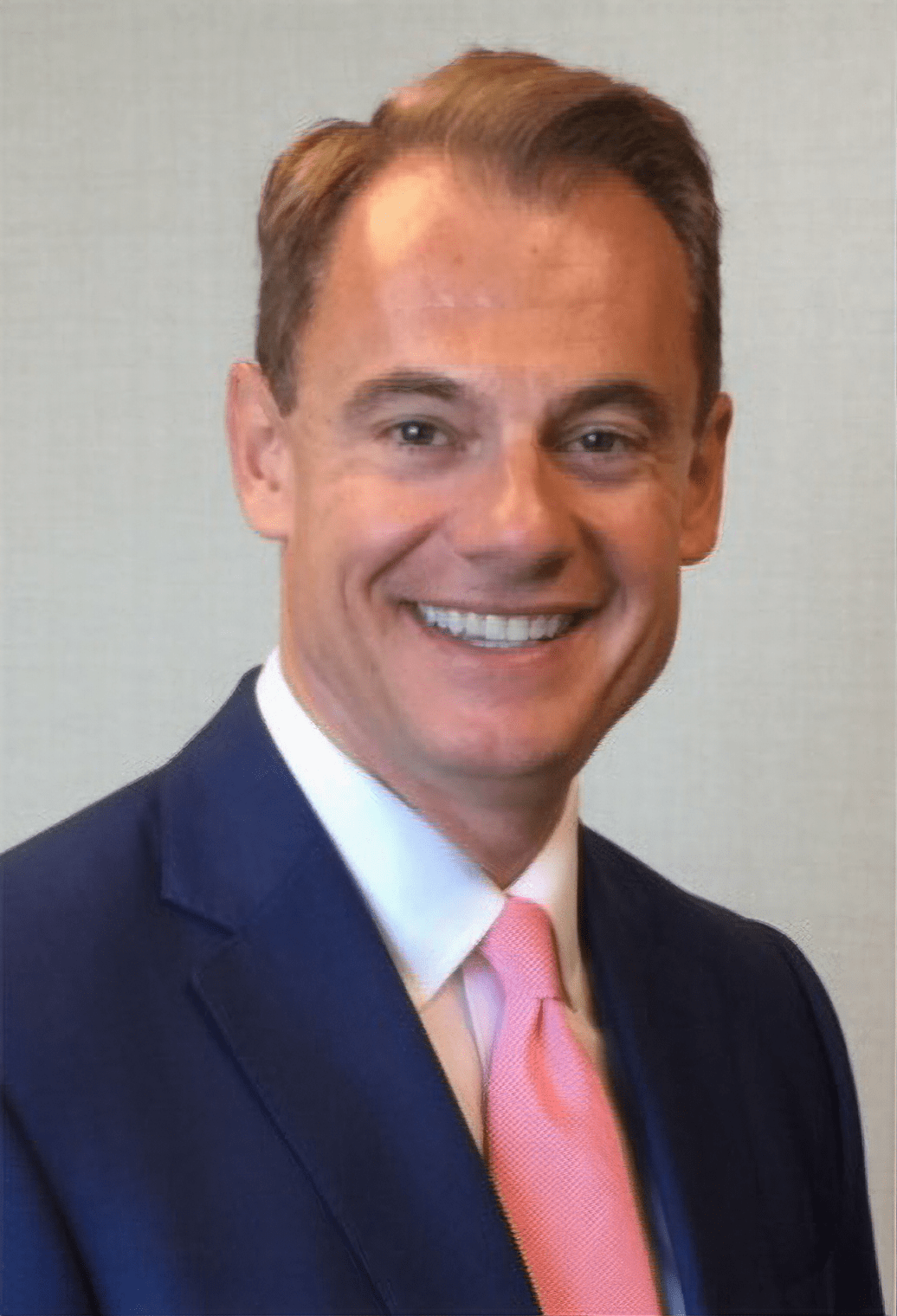
Today, Fastbraces are used in dental offices in over 50 countries across the world for orthodontic treatments with fast and excellent results. Despite the relatively recent prevalence of Fastbraces in dental history, the story of Fastbraces has been more than 30 years in the making. The foundation for the technology behind Fastbraces dates back to the 80s, during the education of a Greek-American orthodontist named Anthony D. Viazis.
While studying for his Doctor of Dental Surgery degree at the University of Athens, Anthony had been researching a new orthodontic bracket system that would become the brackets used in Fastbraces. In the 1990s, he went on to publish the first clinical results and scientific paper on this technology in the Journal of Clinical Orthodontics. The research and its resulting technology were born from Anthony’s dream of finding a better, faster way to straighten teeth that would not take years before completing treatment.
“What existed before and didn’t satisfy me was a technology that hadn’t improved much over the years. I wondered why it took 60-90 days to heal a broken bone, but took 2 – 3 years to straighten teeth, which is basically just a micro fracturing of the alveolar bone,” Anthony explained. “It just didn’t make sense you could heal bone in days, but not heal teeth. The more I studied it, the more I realized it was the technique for straightening teeth, not the biology, that needed to change.”
The Fastbraces method begins at diagnosis, as it uses the alveolar bone to diagnose and treat crooked teeth. By using a formula known as the Alveolar Bone Formula (ABF) Score, which measures the level of malocclusion and crookedness of the teeth, dentists and orthodontists can pinpoint the difficulty and treatment time it will take to straighten a patient’s teeth. From there, they can use Fastbraces’ unique triangular brackets to simultaneously move the roots and crowns of teeth. As a result, the brackets can straighten patients’ teeth even in 60-90 days.
With this technology, Anthony debuted the first Fastbraces office in Dallas, Texas and built it up to 15 Fastbraces locations across the state of Texas. He also began licensing Fastbraces technology to dentists all over the world through his company Orthoworld. His brother and fellow dentist Dr. Evangelos Viazis opened the first Fastbraces office in Europe in Athens Greece in 2000.
Aside from his work with the Fastbraces brand, Anthony has also gone on to have a lengthy career in academia after earning dental degrees from the University of Athens in Greece and Baylor College of Dentistry in Dallas and an M.S. degree and Graduate Certificate in Orthodontics from the University of Minnesota. In addition to earning multiple patents for technology used in Fastbraces, he has published scientific literature in publications such as the American Journal of Orthodontics and Dentofacial Orthopedics. He has also served as a faculty member at the University of Southern California, Baylor College of Dentistry, and the University of Minnesota School of Dentistry, where he won the “Teacher of the Year” award after his first year of teaching in 1990. He has been a Diplomate of the American Board of Orthodontics and a Visiting Professor at the University of São Paulo in Brazil and a member of the Dean’s Advisory Board at the Harvard School of Dental Medicine.
Despite the growth of his brand, Anthony says his greatest goal is not the expansion of his company, but to bring happiness to patients all over the world. “When the end product of your work is a smile, which is the expression of happiness,” he said. “I thought it was a noble thing to help people to express their happiness with a smile as soon as possible.”