
Community
How AI and Machine Learning are Revolutionising Osteoporosis Treatment
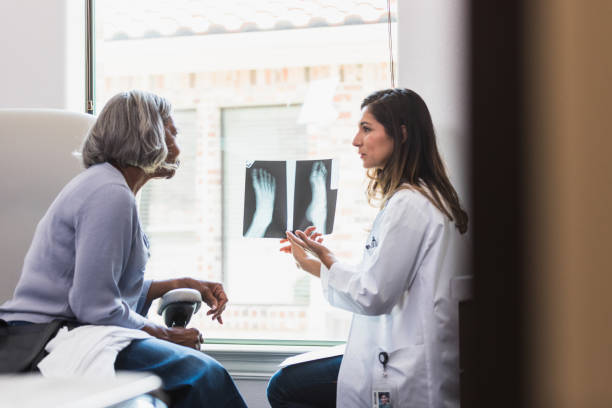
Osteoporosis is a debilitating bone disease that affects millions worldwide, especially older adults. It causes bones to become weak and brittle, increasing the risk of fractures. Traditional treatments have limitations, but exciting developments in artificial intelligence (AI) and machine learning (ML) are transforming osteoporosis care.
The Power of AI in Diagnosing Osteoporosis
One of the biggest challenges in managing osteoporosis is early diagnosis. Many people don’t realize they have the disease until they suffer a fracture. However, AI algorithms can now analyze bone density scans and identify osteoporosis with remarkable accuracy.
Researchers have developed deep learning models that can predict osteoporotic fracture risk better than current clinical tools. By training on large datasets of patient scans and medical records, these AI systems learn to spot subtle patterns that human radiologists might miss. This enables earlier diagnosis and preventive treatment.
Personalized Treatment Plans Powered by Machine Learning
Once diagnosed, osteoporosis patients need individualized treatment plans to build bone density and prevent fractures. This is where machine learning comes in. ML algorithms can analyze a patient’s unique characteristics, such as age, gender, medical history, and lifestyle factors, to develop customized therapies.
For example, ML models can predict how a patient will respond to different medications, like bisphosphonates or hormone therapy. They can also recommend optimal dosages and treatment durations. By tailoring treatments to each patient’s needs, ML helps improve outcomes and minimize side effects.
| AI/ML Application | Benefit |
| Early diagnosis with deep learning | Identifies osteoporosis before fractures occur |
| Personalized treatment plans | Optimises medication selection and dosing |
| Fracture risk prediction | Guides preventive measures for high-risk patients |
| Monitoring treatment response | Detects when therapy needs to be adjusted |
Fracture Prevention Through AI-Powered Risk Assessment
Preventing fractures is the ultimate goal of osteoporosis management. AI can help by predicting which patients are at highest risk. Sophisticated algorithms consider not only bone density, but also factors like age, fall history, and medications that affect bone health.
By identifying high-risk individuals, doctors can intervene early with lifestyle modifications, fall prevention strategies, and pharmacologic treatments as needed. AI-powered risk assessment tools are becoming increasingly integrated into clinical decision-making.
The Future of AI and ML in Osteoporosis Care
As AI and ML continue to advance, their applications in osteoporosis care will expand. We may see wearable devices that continuously monitor bone health and alert patients and doctors to early signs of weakening. Virtual assistants could provide personalized guidance on bone-healthy diets and exercise regimens.
The potential of these technologies is immense. By harnessing the power of AI and ML, we can improve the prevention, diagnosis, and treatment of osteoporosis on a global scale. While there’s still work to be done to validate and integrate these tools into clinical practice, the future looks bright.
Conclusion
AI and machine learning are poised to revolutionize osteoporosis care. From early diagnosis to personalized treatment to fracture prevention, these cutting-edge technologies offer new hope for patients suffering from this silent disease. As a leading voice in emerging tech, Techiexpert will continue to cover the latest developments in this exciting field.