
Community
How Economic Indicators Influence Short and Long Position Strategies
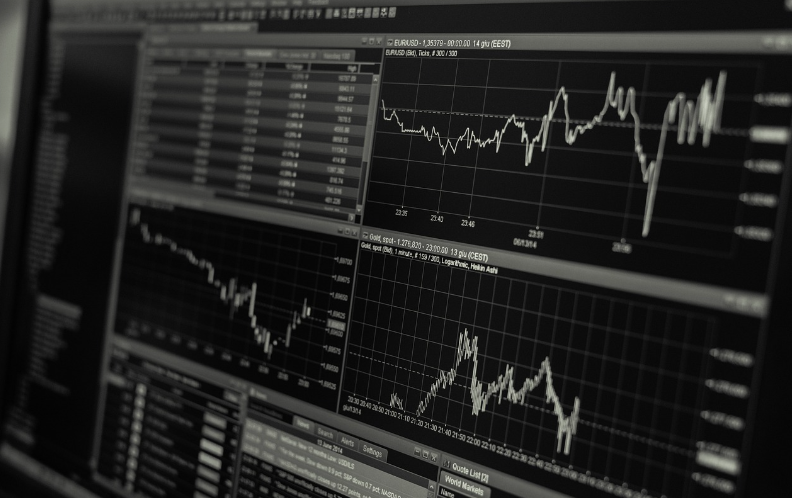
Understanding how economic indicators impact market movements is crucial for investors aiming to develop robust short and long-position strategies.
These indicators can serve as a compass, guiding investment decisions in a sea of market volatility. But what exactly are these economic indicators, and how can investors leverage them to optimize their investment strategies?
This article will catch the following:
- Definition of economic indicators
- Types of economic indicators
- How to interpret and use economic indicators in short-position strategies
- How to interpret and use economic indicators in long-position strategies
Definition of Economic Indicators
Economic indicators are data points that reflect the overall health and performance of a country’s economy. They provide valuable insights into various aspects of the economy, including employment rates, inflation levels, consumer spending, and economic growth.
These indicators are released by government agencies and private organizations at regular intervals, allowing investors to track changes in the economy over time.
When it comes to long vs short position strategies, economic indicators play a critical role in helping investors identify potential market trends and make informed investment decisions.
Types of Economic Indicators
Three types of economic indicators would be: leading, lagging, and coincident.
Leading Indicators
Leading indicators are economic data points that provide insights into potential future trends in the economy.
These indicators can help investors anticipate changes in the market and adjust their strategies accordingly. Leading indicators encompass stock market performance, building permits, and consumer confidence surveys.
Lagging Indicators
Lagging indicators reflect the current state of the economy and provide confirmation of past trends. They are often used to confirm or validate leading indicators and can help identify turning points in the economy. Lagging indicators such as unemployment rates, inflation levels, and interest rates serve as examples.
Coincident Indicators
Coincident indicators provide real-time insights into the current state of the economy. These indicators can help investors understand how the economy is performing at any given moment. Examples of coincident indicators include GDP, retail sales, and industrial production.
The Importance of Economic Indicators
According to the OECD, economic indicators are essential tools for measuring and monitoring the performance of an economy. They provide valuable information on the overall health of the economy, helping investors make informed decisions about their investments.
Economic indicators also play a crucial role in policymaking. Governments and central banks use these indicators to assess the current state of the economy and implement appropriate policies to support economic growth or mitigate potential risks.
Furthermore, economic indicators can also serve as a guide for businesses. By analyzing these indicators, businesses can better understand their operating environment and make strategic decisions to adapt to changing market conditions.
Challenges in Interpreting Economic Indicators
Although economic indicators can provide valuable insights into the economy, they should not be viewed in isolation. It is essential to consider multiple indicators and analyze them in the context of current events and market conditions.
Moreover, interpreting economic indicators can be challenging due to their complexity and volatility. Economic data is subject to revisions, making it difficult to accurately predict future trends. Additionally, external factors such as political events or natural disasters can greatly influence the economy, making it challenging to draw definitive conclusions from economic indicators alone.
Another challenge in interpreting economic indicators is the timing of their release. Often, economic data is released with a time lag, making it challenging to make timely decisions based on the latest information.
How GEN Z Can Benefit from Understanding Economic Indicators
As members of Generation Z, it is essential to understand how the economy works and the role economic indicators play in shaping it. Having this knowledge can help us make informed decisions about our finances, investments, and career choices.
Moreover, understanding economic indicators can also help us navigate potential challenges in the job market. By keeping an eye on key employment indicators such as the unemployment rate and job growth, we can make strategic decisions about our education and skills development to stay competitive in the workforce.
Furthermore, understanding economic indicators can also help us become responsible consumers. By monitoring inflation rates and consumer confidence, we can make informed purchasing decisions and manage our finances wisely.
Conclusion
Understanding economic indicators is vital for grasping the economy’s health and direction. For Generation Z, having this knowledge is especially crucial as it can help us make better financial decisions and navigate the job market effectively.
We must stay informed about economic indicators and their implications to prepare for potential challenges and capitalize on opportunities in an ever-changing economy. As we continue to learn and grow, let us not overlook the significance of understanding economic indicators and their impact on our lives.