
Community
How is Augmented Reality Disrupting the Marketing Industry?
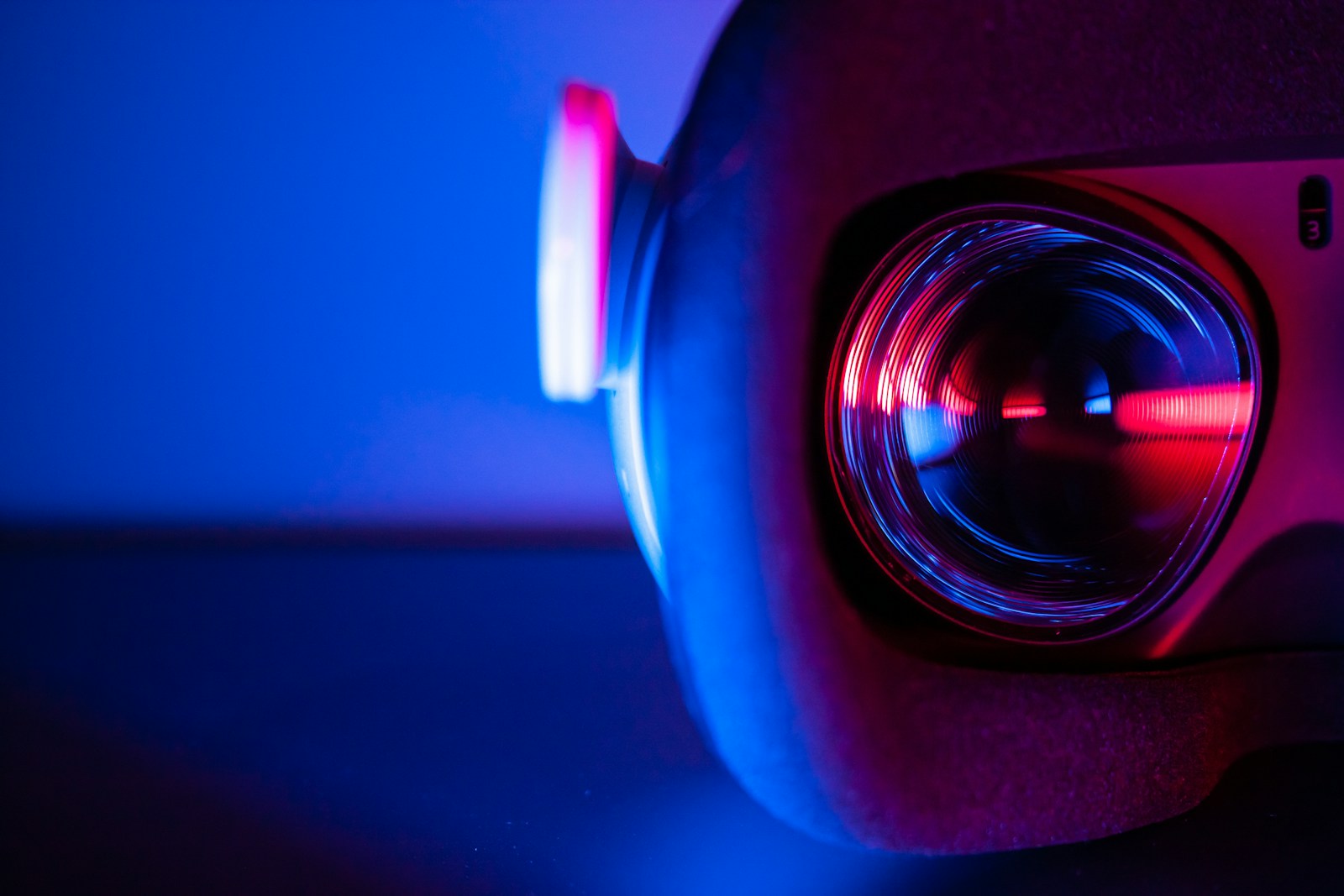
Digital marketing is always changing, and one new technology is quickly altering the industry. Augmented reality (AR) is making waves as a revolutionary tool that enhances how brands interact with consumers. By overlaying digital information in the real world, AR creates immersive experiences that redefine engagement in the marketing sphere. AR in marketing captivates an audience and offers them a unique, interactive way to explore products and services before making a purchase decision.
Creating Immersive Experiences
One of the primary ways AR disrupts the marketing industry is by creating immersive and interactive customer experiences. Unlike traditional marketing mediums, AR places the consumer inside the advertisement, allowing for a more profound connection with the product. By employing an augmented reality agency, marketing companies are creating immersive experiences like never before. For instance, a potential homebuyer can use AR to visualise furniture in a space before purchasing it, or a shopper can try on clothes virtually before adding them to their cart. This not only enhances customer satisfaction but also significantly reduces return rates.
Enhancing Brand Engagement
AR technology helps brands cultivate a deeper level of engagement with their consumers. By integrating AR into marketing strategies, companies can create memorable campaigns that stand out in the competitive market. For example, during product launches, companies can use AR to create interactive experiences that reveal product features in a compelling and engaging manner. This technology allows customers to interact with a product virtually, which can significantly boost interest and excitement around a launch.
Personalisation of Customer Experience
Another significant impact of AR in marketing is the ability to personalise the customer experience. Through AR apps, companies can tailor content specifically to individual preferences and behaviours, leading to more effective marketing strategies. Personalisation not only increases consumer engagement but also builds brand loyalty. For example, makeup brands use AR-powered apps that allow users to see how different shades of makeup will look on their faces before making a purchase decision.
Enhancing Online and Offline Integration
AR bridges the gap between the online and offline worlds, creating a seamless consumer shopping experience. Retailers use AR to enhance in-store experiences by providing customers with additional product information, reviews, and interactive experiences through their smartphones. This integration helps provide a cohesive and comprehensive shopping experience that drives sales and improves customer loyalty.
Real-Time Data and Analytics
AR also provides marketers with valuable insights through real-time data and analytics. Brands can track how users interact with AR content, which provides data on customer behaviour, preferences, and engagement levels. This information is crucial for refining marketing strategies and creating more targeted and effective campaigns.
The Role of Augmented Reality Agencies
As AR technology becomes more sophisticated and accessible, the demand for specialised services in this field is growing. Augmented reality agencies play a crucial role in helping businesses implement AR solutions effectively. These agencies provide expertise in developing engaging AR content that can captivate audiences and drive marketing objectives. They help bridge the gap between the innovative technology of AR and practical marketing strategies that can truly transform a brand’s engagement with its customers.
Augmented reality is a futuristic concept and a practical tool currently transforming the marketing industry. Its ability to create immersive, interactive, and personalised experiences is helping brands connect with their customers in unprecedented ways. As AR technology continues to evolve, its impact on marketing strategies will undoubtedly grow, offering even more innovative ways to engage and captivate consumers around the globe. By leveraging the expertise of specialised agencies and integrating AR into their marketing strategies, businesses can not only stay ahead of the curve but also redefine how they interact with their customers.