
Community
How Proximity Sensors Enhance Efficiency in Manufacturing
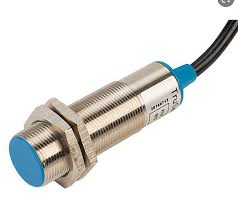
In the dynamic world of manufacturing, where efficiency is key to competitiveness and success, technological advancements play a crucial role. One such innovation that has revolutionized the industry is the proximity sensor. These devices are not just tools but integral components that streamline operations, enhance safety, and optimize processes across various manufacturing environments.
Understanding Proximity Sensors
Proximity sensors are devices designed to detect the presence or absence of objects nearby without any physical contact. They work on the principle of electromagnetic fields, ultrasonic waves, or infrared radiation to sense objects within their proximity. This capability makes them invaluable in industrial settings where precision and reliability are paramount.
Types of Proximity Sensors
- Inductive Proximity Sensors: These sensors use electromagnetic fields to detect metallic objects within their range. They are commonly used in manufacturing for automation, such as detecting machine parts or monitoring assembly lines. In particular, an inductive proximity switch is highly effective in environments requiring rapid and accurate detection of metallic components, contributing to streamlined and error-free production processes.
- Capacitive Proximity Sensors: These sensors detect both metallic and non-metallic objects by measuring changes in capacitance. They are suitable for detecting materials such as plastics, liquids, and powders, making them versatile in various industrial applications.
- Ultrasonic Proximity Sensors: Utilizing sound waves beyond human hearing range, ultrasonic sensors detect objects based on the time it takes for sound waves to bounce back. They are ideal for detecting irregularly shaped or transparent objects, enhancing accuracy in manufacturing processes.
- Photoelectric Proximity Sensors: Operating by emitting light beams and detecting changes in reflection or interruption of the beam, photoelectric sensors can detect objects regardless of material composition. They are widely used in packaging, sorting, and robotic applications.
Applications in Manufacturing
1. Automation and Robotics
Proximity sensors are integral to automation and robotics in manufacturing. They enable precise positioning of robotic arms, ensuring accurate assembly and handling of components. By detecting objects in real-time, they enhance the speed and efficiency of robotic operations, leading to increased production rates and reduced downtime.
2. Quality Control
In manufacturing, maintaining consistent product quality is crucial. Proximity sensors play a vital role in quality control by detecting defects, ensuring proper alignment of components, and verifying product dimensions. This real-time monitoring helps identify issues early in the production process, minimizing wastage and improving overall product reliability.
3. Safety and Hazard Prevention
Ensuring worker safety is a top priority in manufacturing environments. Proximity sensors contribute significantly to safety measures by detecting the presence of personnel near hazardous machinery. They can automatically stop or slow down equipment when workers are in close proximity, preventing accidents and injuries.
4. Inventory Management
Efficient inventory management is essential for optimizing supply chain operations. Proximity sensors aid in tracking inventory levels by monitoring the presence or absence of raw materials, components, or finished products. This data enables manufacturers to maintain optimal stock levels, reduce storage costs, and streamline logistics processes.
5. Machine Condition Monitoring
Predictive maintenance is increasingly adopted to prevent unexpected equipment failures and downtime. Proximity sensors monitor the condition of machinery by detecting vibrations, temperature changes, or abnormal movements. This early detection of potential issues allows maintenance teams to schedule repairs proactively, maximizing equipment uptime and prolonging asset lifespan.
Advantages of Using Proximity Sensors
- Enhanced Efficiency: By automating processes and improving accuracy, proximity sensors streamline operations and boost overall efficiency.
- Cost Savings: Reduced downtime, lower maintenance costs, and optimized energy consumption contribute to significant cost savings for manufacturers.
- Improved Safety: Proximity sensors enhance workplace safety by minimizing the risks associated with machinery operation and human interaction.
- Data-driven Insights: The data collected by proximity sensors enable manufacturers to make informed decisions, optimize workflows, and implement continuous improvements.
Future Trends and Innovations
The field of proximity sensors continues to evolve with advancements in sensor technology, connectivity, and data analytics. Future trends include:
- Integration with IoT: Proximity sensors will be increasingly integrated into IoT (Internet of Things) ecosystems, allowing for real-time data exchange and remote monitoring.
- Miniaturization and Durability: Smaller, more robust sensors will be developed to fit into compact and harsh industrial environments, expanding their applicability.
- AI and Predictive Analytics: Artificial intelligence and predictive analytics will enhance the capabilities of proximity sensors, enabling more accurate predictions and proactive maintenance strategies.
Conclusion
In conclusion, proximity sensors are indispensable tools in modern manufacturing, driving efficiency, safety, and innovation. Their ability to detect objects without physical contact revolutionizes automation, quality control, safety protocols, and inventory management. As technology continues to advance, the role of proximity sensors will expand, further optimizing manufacturing processes and shaping the future of industrial automation. Embracing these advancements not only enhances operational efficiency but also positions manufacturers at the forefront of competitiveness in a global market landscape.