
Community
How Rhinoplasty Enhances Facial Symmetry and Harmony
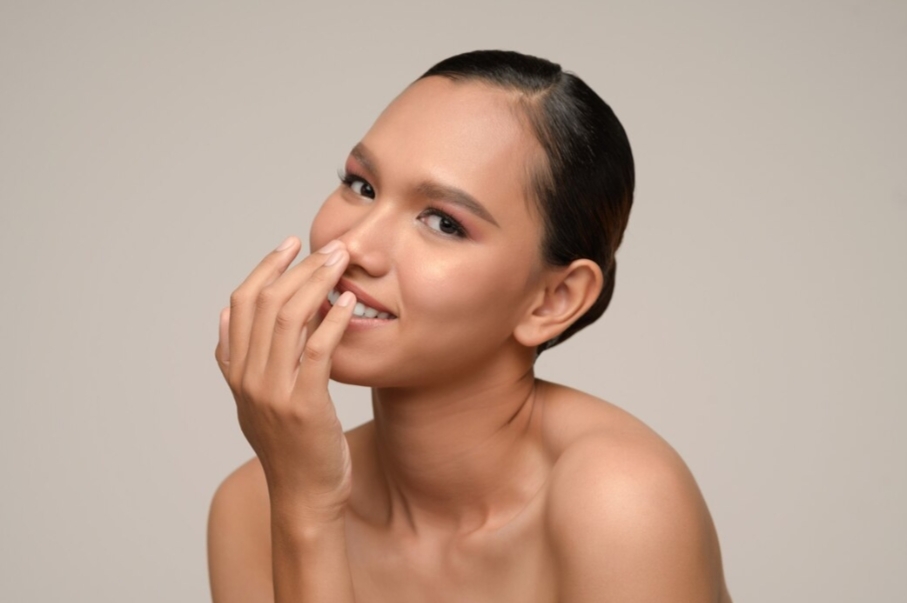
Rhinoplasty, commonly known as a “nose job,” is a surgical procedure aimed at reshaping or reconstructing the nose. It goes beyond mere cosmetic enhancement, often playing a crucial role in restoring facial symmetry and harmony. Understanding the intricacies of rhinoplasty and its impact on facial aesthetics is essential for anyone considering this procedure, especially for those seeking rhinoplasty in London. Consulting with a board-certified plastic surgeon can provide valuable insights and help individuals make informed decisions about their desired outcomes.
Understanding Rhinoplasty
Rhinoplasty is a surgical procedure performed by plastic surgeons to alter the size, shape, or proportion of the nose. It can address various concerns, including correcting congenital defects, resolving breathing difficulties, or improving facial aesthetics. Additionally, rhinoplasty can repair nasal damage caused by trauma or injury, restoring both function and appearance.
Importance of Facial Harmony
Facial harmony refers to the balanced proportions and symmetry of facial features. The nose plays a central role in defining facial aesthetics, and even minor alterations can significantly impact overall harmony. Achieving facial harmony often involves considering the relationship between the nose and other features, such as the eyes, lips, and cheekbones.
The Role of Nose in Facial Symmetry
The nose is often considered the focal point of the face. Its size, shape, and position can influence how other facial features are perceived. Achieving facial symmetry involves ensuring that the nose complements the rest of the facial features. Rhinoplasty aims to not only enhance the appearance of the nose but also to restore balance and proportion to the entire face for a more harmonious look.
Nose as the Central Feature
As the central feature of the face, the nose contributes significantly to overall facial balance. A well-proportioned nose can enhance the attractiveness of other features such as the eyes, mouth, and chin.
Impact of Nose Shape and Size
The shape and size of the nose can vary widely among individuals and ethnicities. Deviations from the ideal proportions can affect facial symmetry and aesthetics, leading many individuals to seek rhinoplasty for correction.
Rhinoplasty: The Solution for Facial Symmetry

Rhinoplasty offers a solution for individuals seeking to improve facial symmetry and harmony by addressing nasal irregularities.
What is Rhinoplasty?
Rhinoplasty involves reshaping the bone, cartilage, and tissue of the nose to achieve the desired aesthetic or functional outcome. It can be performed for cosmetic reasons or to correct structural issues that affect breathing. The procedure can significantly enhance facial harmony and improve overall quality of life. Recovery from rhinoplasty typically involves minimal discomfort and downtime, with results gradually improving over time as swelling subsides.
Goals of Rhinoplasty
The primary goals of rhinoplasty include enhancing facial balance, improving nasal proportions, and addressing functional concerns such as breathing difficulties or nasal obstructions. Achieving these goals can result in a more symmetrical and aesthetically pleasing appearance. Additionally, correcting functional issues can lead to better nasal airflow and overall respiratory health. Proper evaluation and communication with the surgeon are crucial to ensure that both cosmetic and functional aspects are addressed effectively.
Types of Rhinoplasty
There are different approaches to performing rhinoplasty, each suited to specific patient needs and preferences. Some methods focus on minimising visible scarring, while others provide better access to the nasal structures for more extensive reshaping. The choice of technique depends on factors such as the complexity of the surgery and the surgeon’s expertise.
Open Rhinoplasty
Involves making a small incision on the columella (the strip of tissue between the nostrils) to access the nasal structures. This technique, called “open rhinoplasty,” allows for better visibility and precision during surgery.
Closed Rhinoplasty
Involves incisions made inside the nostrils, offering a scar-less approach but with limited visibility. This method, known as “closed rhinoplasty,” is suitable for less complex cases where external access is not required.
Revision Rhinoplasty
Corrective surgery performed to address complications or unsatisfactory results from previous rhinoplasty procedures. This specialised procedure, known as revision rhinoplasty, requires a thorough assessment and skilled surgical technique to achieve optimal outcomes.
How Rhinoplasty Enhances Facial Harmony

Rhinoplasty can significantly impact facial harmony by addressing various aesthetic and functional concerns related to the nose, especially for those seeking deep plane facelift in London. Whether it’s refining the nasal tip, straightening a crooked bridge, or improving breathing function, rhinoplasty aims to achieve a balanced and natural-looking result that enhances overall facial aesthetics and symmetry.
Correcting Nose Shape Irregularities
Rhinoplasty can correct asymmetry, bumps, depressions, or other irregularities on the nasal bridge or tip, improving overall facial balance. This can result in a more harmonious appearance and boost the individual’s self-confidence.
Balancing Facial Proportions
By resizing or reshaping the nose, rhinoplasty can create better harmony between the nose and other facial features, such as the eyes, cheeks, and chin. This procedure can also enhance overall facial symmetry, leading to a more balanced and aesthetically pleasing appearance.
Improving Breathing Function
In addition to aesthetic improvements, rhinoplasty can also correct structural issues that obstruct airflow, such as a deviated septum or nasal valve collapse, thereby enhancing breathing function. This dual benefit makes rhinoplasty a popular choice for individuals seeking both cosmetic and functional enhancements.
Conclusion
Rhinoplasty is a transformative procedure that goes beyond cosmetic enhancement. By reshaping the nose and improving its proportions, rhinoplasty can greatly enhance facial symmetry and harmony. Whether it’s correcting nasal irregularities, improving breathing function, or boosting self-confidence, rhinoplasty offers multifaceted benefits to patients.
If you’re considering rhinoplasty, it’s essential to do thorough research, consult with a qualified surgeon, and set realistic expectations. Remember, the goal of rhinoplasty is to achieve natural-looking results that complement your overall facial features.