
Community
How To Become An Equine Entrepreneur
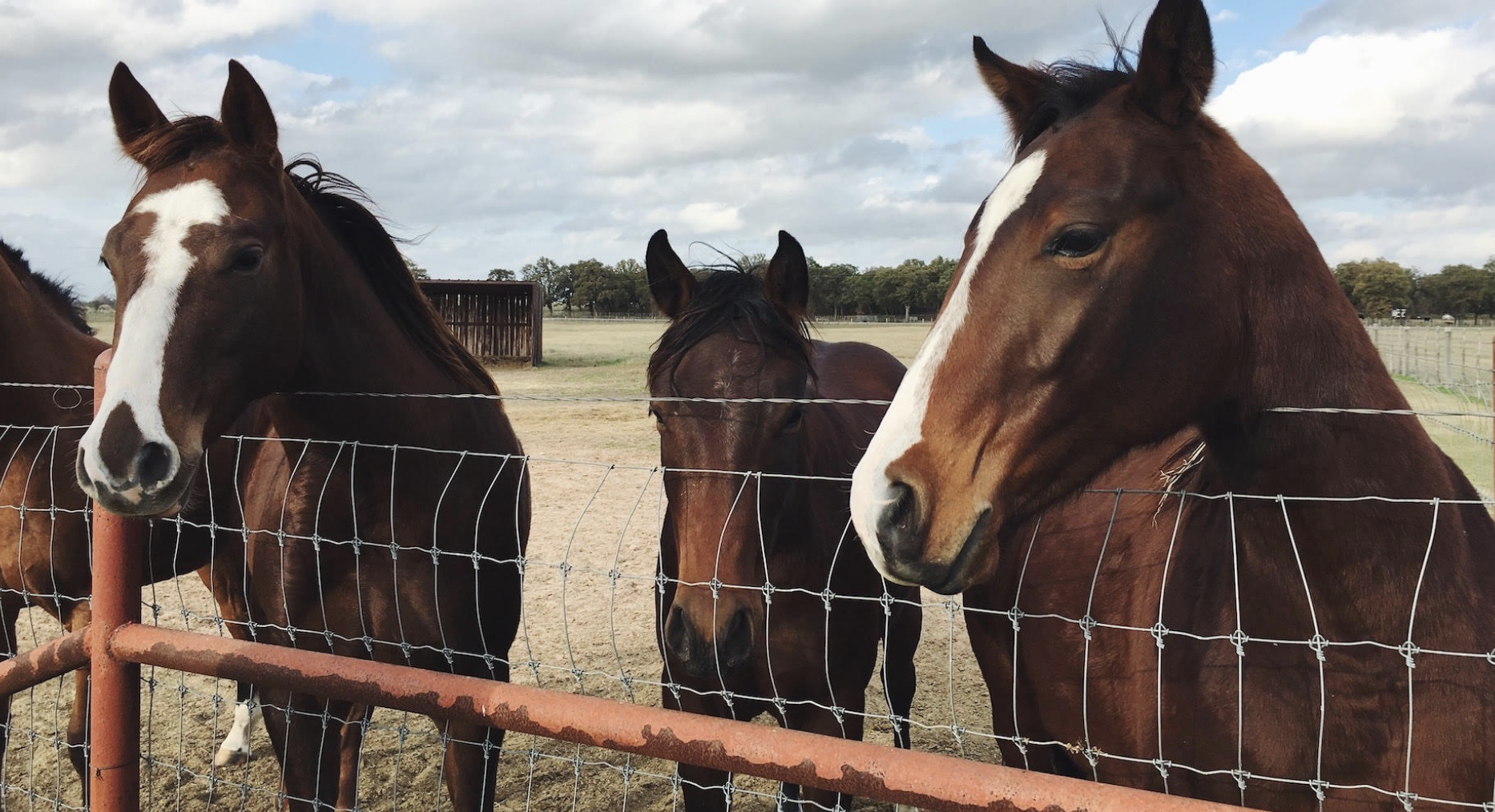
When we talk about the horse racing industry, what’s the first thing that comes to mind apart from the thrills of the race?
Most people would answer: Money!
Horse racing has always been tied with money and wealth, and we don’t know why. Maybe it is because the horse racing industry maintained its reputation and tradition of being an elite sport with million-dollar purses.
Watching a big horse racing event with huge prize purses is fun, but it is more fun to make money out of the process. Yes, we are talking about equine entrepreneurship.
Did you know that the horse racing industry is massive? Becoming an equine entrepreneur isn’t just about buying a horse. It is about identifying your niche in the industry, observing the demand, creating a business, and following trends.
You’d want to identify a niche you are passionate about and start a business that will make you as much if not more money than going on some of the best online horse betting sites.
There are many successful equine business stories that inspired us to make a full guide on how to become an equine entrepreneur.
So, without further ado, let’s go down to business.
Equine Business Types
As long as people like riding horses, there will be a demand for all sorts of equestrian companies.
Breeding and Racing
Breeding and racing are two horse business forms that are often the least profitable and risky. Of course, there are occasional exceptions to this rule that wind up being profitable, which can make these alternatives quite appealing.
However, these are not the easiest sections of the industry for consumers to invest in, and both breeding and racing are far better ways to lose money than earn money.
Investing in a horse is one of the most common ways to get into the equine business. However, did you notice that only already made millionaires invest in horses? Therefore, it is not a business strategy that will make you a lot of money, especially when calculating the risk and reward.
Equine breeding firms make money by selling the horses they produce and raise. Breeders that can supply high-quality bloodlines may command good rates for their horses, but whether your foals mature into valuable racehorses is a pure risk. Horseracing is a dangerous investment as well.
The initial cost of owning a racehorse can be exorbitant (see previous paragraph, “racehorses can sell for tens of millions of dollars”), and after you have a racehorse, there is no assurance it will win any races.
Management
Equine management encompasses all aspects of horse care, including boarding, training, transportation, and breeding. An equine management company may offer a number of services, such as boarding and caring for people’s horses, as well as training and breeding horses for sale.
Riding and Training
Despite thousands of years of domestication, horses still require training before they can be ridden safely and comfortably. Many people, however, lack the time and skills to train their own horses and must rely on professional horse trainers to do so.
The cost of these services varies per trainer, but the average cost to train a horse is $20-$100 per hour. This makes horse training a fantastic small business opportunity for anybody with the necessary skills and facilities.
How to Begin a Horse Business
Starting an equestrian business, like any other entrepreneurial activity, begins with developing a business strategy. If you intend to recruit investors or obtain loans to support your firm, your business plan will be critical in demonstrating that you have a feasible strategy for success.
To mention a few, the details of the products/services you will offer, the market you will target, a study of your competition and what separates your firm from theirs, and your strategy for recruiting clients should all be included in your horse business plan.
Understand Your Market
The horse business, like any other, is influenced by trends, fashions, and consumer whims. Riding clothing, horse blankets, and even horse breeds come and go. In the present economic context, equine entrepreneurs must determine who will buy their products or services.
Timing refers to when the business begins. During periods of heavy unemployment, for example, beginning a horseback riding class business that caters to lower-income families may not be viable.
Decide on the Structure
Before you can establish a firm, you must first decide on the ideal sort of business structure. In Canada, there are four types: sole proprietorship, partnership, corporation, and cooperative.
Each has advantages and disadvantages, and they approach responsibility, taxation, and record-keeping in various ways. This decision can be aided by researching and comprehending each structure, followed by consultation with a lawyer and accountant.
Diversification and Marketing
Once you’ve developed a distinct brand that stands out from the crowd, it’s time to sell that distinction. Hosting welcome parties, signs, advertising, special discounts, and collaborating on agreements with related firms are all examples of marketing.
Marketing is a form of communication. It is the sole way for people to learn about your company and buy your products or services.
Purchase Insurance
When things don’t go as planned, insurance may protect you and your company from financial damages. Making a list of “what ifs?” is one technique to estimate your insurance needs.
What if, as a coach, your student’s horse kicks a spectator at a show while you are coaching? Do you need insurance? Does your child? What about the facility? Who is the show’s organizer? To find out, contact an insurance firm that specializes in your industry.
Better safe, than sorry. That should be your goal.
Accept Change
Global developments are having an influence on the horse industry, and owners must evaluate how to best accept them. For example, because the equine community is commonly online, make sure your company has a website and is active on social media. Because wearable and video technology has progressed, many teachers can now teach from a distance.
Also, make sure you are never afraid of change, especially when it comes to technology. You have to embrace it in order to survive.