
Community
How to Recognize and Address Anxiety in Teens
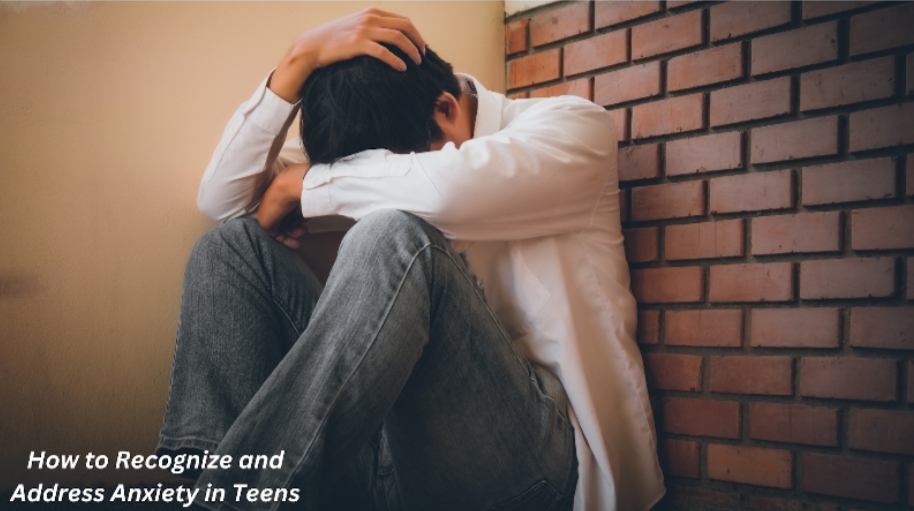
Anxiety in teens is a growing concern among parents, educators, and healthcare professionals. Understanding how to recognize the signs and effectively address this issue is crucial for supporting your teen’s mental health.
This blog post will provide you with comprehensive insights on identifying anxiety symptoms, common triggers, effective communication strategies, professional interventions, and much more.
Identifying Signs of Anxiety in Teens
Recognizing the signs of anxiety in teens can be challenging, but it’s essential for early intervention. Some key indicators to watch for include behavioral changes, academic impact, physical symptoms, and emotional indicators.
Behavioral changes may manifest as social withdrawal, where teens start avoiding social activities they once enjoyed, or increased irritability, where a normally calm teen becomes frequently irritable or angry. You might also notice significant changes in their eating and sleeping patterns, such as insomnia or oversleeping.
Academically, anxiety can lead to a drop in grades due to difficulty concentrating. Teens might procrastinate or completely avoid school assignments, resulting in declining academic performance and increased absenteeism.
In Colorado, 1 in 5 teens experience anxiety, highlighting a serious mental health issue. Untreated anxiety can severely impact academic performance and overall well-being. Rehabilitation is highly effective, offering therapy and coping strategies tailored to each teen’s needs. If your teen struggles with anxiety, consider seeking help from a rehab in Colorado to ensure they receive professional care. Proper support can make a significant difference in their recovery and future well-being.
Common Triggers of Teen Anxiety
Understanding what triggers anxiety in teens can help you provide better support. Social pressure, academic expectations, family dynamics, and major life changes are common triggers.
Social Pressure
Social pressure involves navigating friendships, peer pressure, and bullying, which can be significant sources of stress. The need to fit in and conform to peer expectations can cause immense anxiety.
Academic Expectations
Academic expectations, such as the pressure to achieve high grades and get into good colleges, can be overwhelming for teens. The entire process of preparing and applying to colleges is a major stressor.
Family Dynamics
Family dynamics, including divorce, financial stress, and high parental expectations, can create anxiety. Changes in family structure, such as parents’ divorce, can deeply affect a teen’s emotional well-being, while concerns about family finances and unrealistic or high expectations from parents can lead to significant stress.
Major Life Changes
Major life changes like moving to a new home or school can disrupt a teen’s sense of stability and security. Grieving the death of a family member or close friend can also trigger anxiety.
Effective Communication Strategies
Effective communication is key to helping teens manage anxiety. Open dialogue, active listening, and encouraging expression are essential strategies.
Only 37% of teens with anxiety disorders receive treatment, highlighting the importance of open communication to encourage seeking help. Creating a safe space for open dialogue encourages teens to discuss their feelings without fear of judgment or criticism. Being patient and allowing teens to express themselves in their own time and way is crucial.
Active listening involves showing empathy, listening without interrupting, and acknowledging their feelings. Avoiding immediate solutions and allowing teens to talk through their feelings can be more helpful than offering advice right away.
Encouraging expression through journaling, art, and physical activity provides healthy outlets for emotions. Writing down thoughts and feelings can be therapeutic, while creative and physical activities can help manage emotions.
Professional Interventions and Support
Sometimes, professional help is needed to address teen anxiety. Therapeutic options, medication, and school support systems are essential interventions.
Cognitive-behavioral therapy (CBT) helps teens understand and change negative thought patterns. Regular sessions with a therapist, known as talk therapy, provide a safe space for teens to discuss their worries. Family therapy involves the whole family and can improve communication and address family dynamics contributing to anxiety.
Medication may be recommended for severe cases of anxiety. It’s important to consult with a healthcare professional to understand the benefits and potential side effects.
School counselors and support groups offer guidance and resources within the school system. Leveraging the support of school counselors and joining peer support groups can provide a sense of community and understanding.
Building Resilience and Coping Mechanisms
Building resilience is crucial for teens to effectively manage anxiety. Stress management techniques, healthy lifestyle choices, and problem-solving skills are key components.
Introducing mindfulness and meditation practices can help teens stay grounded and reduce stress. Relaxation exercises, such as deep breathing and progressive muscle relaxation, can be very beneficial.
Encouraging regular physical activity, balanced nutrition, and adequate sleep supports overall well-being. Exercise releases endorphins, which can improve mood and reduce anxiety. A healthy diet and sufficient sleep are also essential for managing stress.
Teaching problem-solving skills involves breaking down challenges into manageable steps and encouraging proactive problem-solving. Helping teens develop these skills can prevent them from feeling overwhelmed and teach them to seek solutions rather than avoid problems.
Role of Parents and Caregivers
Parents and caregivers play a vital role in supporting teens with anxiety. Modeling healthy behaviors, setting realistic expectations, and providing stability are crucial.
Demonstrating positive ways to cope with stress and maintaining a calm demeanor can greatly influence your teen’s response to stress. Celebrating efforts and achievements without placing excessive demands helps avoid undue pressure. Focusing on effort rather than outcome builds confidence and resilience.
Providing a consistent and supportive home environment, establishing and maintaining routines, and offering a sense of security are essential. A stable environment helps teens feel safe and supported, which can reduce anxiety.
Community and Peer Support
Community resources and peer support can significantly help teens manage anxiety. Peer support groups, community resources, and online resources and apps are valuable tools.
Peer support groups offer a sense of belonging and shared understanding. These groups provide a safe space to share experiences and coping strategies.
Utilizing local mental health services and community organizations that offer support and resources can provide additional assistance. Leveraging these resources can enhance the support system for your teen.
Digital tools, such as apps and online resources specifically designed to help manage anxiety, can be beneficial. These tools offer convenient and accessible ways for teens to find support and manage their anxiety.
Monitoring and Follow-Up
Ongoing support is essential to help teens manage anxiety effectively. Regular check-ins, adapting strategies, and long-term support plans are important components.
Maintaining open lines of communication and regularly checking in with your teen helps assess how they’re feeling and coping. Addressing any concerns promptly is crucial to prevent anxiety from worsening.
Being flexible and willing to adjust strategies based on what works best for your teen is important. Tailoring support to meet your teen’s individual needs ensures they receive the most effective help.
Developing a long-term plan to support your teen’s mental health and continually exploring new resources and strategies can provide sustainable support. Keeping informed and proactive in supporting your teen is key to helping them manage anxiety successfully.
The Importance of Early Detection
Early detection of anxiety in teens is crucial for effective intervention and management. Catching anxiety symptoms early can prevent the condition from worsening and leading to more severe mental health issues. When you notice the first signs of anxiety, such as changes in behavior, physical symptoms, or emotional indicators, it’s important to take them seriously and seek appropriate help.
One of the benefits of early detection is that it allows for more straightforward treatment. Early-stage anxiety can often be managed with lifestyle changes, stress management techniques, and therapy. However, if left unchecked, anxiety can escalate, potentially requiring more intensive treatment, including medication.
Moreover, early intervention helps in minimizing the impact of anxiety on a teen’s academic performance, social life, and overall development. Teens are in a critical phase of their lives, and prolonged anxiety can hinder their growth and potential. By addressing anxiety early, you can help them maintain a healthy balance between their responsibilities and well-being.
Finally, addressing anxiety early teaches teens valuable coping skills that they can carry into adulthood. Learning how to manage stress and anxiety effectively at a young age prepares them for future challenges and promotes long-term mental health.
How Schools Can Help
Schools play a significant role in identifying and supporting students with anxiety. Teachers and school counselors are often the first to notice changes in a student’s behavior, attendance, and academic performance. Schools can implement various strategies to help students manage anxiety and provide a supportive environment.
Mental Health Education
One effective approach is to incorporate mental health education into the curriculum. By teaching students about anxiety, its symptoms, and coping strategies, schools can raise awareness and reduce the stigma associated with mental health issues. This education can empower students to seek help when needed and support their peers.
Role of School Counselors
School counselors are essential resources for students dealing with anxiety. They can provide individual counseling, facilitate support groups, and connect students with external mental health services. Regular check-ins with counselors can help students manage their anxiety and develop healthy coping mechanisms.
Creating a Positive Environment
Creating a positive and inclusive school environment also contributes to reducing anxiety. Schools should foster a culture of acceptance and support, where students feel safe to express their feelings and seek help. Anti-bullying programs and peer support initiatives can further enhance this environment.
Stress Management Workshops
Additionally, schools can offer stress management workshops and activities, such as mindfulness sessions, yoga classes, and relaxation techniques. These activities can help students develop resilience and better handle the pressures of academic life.
Technology and Anxiety Management
Technology can be both a source of anxiety and a tool for managing it. While excessive screen time and social media use can contribute to anxiety, many technological resources are designed to help teens manage their mental health.
Mental health apps are increasingly popular for providing support and resources at the fingertips. These apps offer guided meditation and mindfulness exercises, which can help teens reduce stress and anxiety. Cognitive-behavioral therapy (CBT) apps provide techniques and exercises to help users manage negative thought patterns.
Online therapy platforms make professional mental health support more accessible. Teens can connect with licensed therapists through text, video, or phone sessions, making it easier to receive help without the stigma of visiting a therapist’s office.
Social media, when used mindfully, can also provide a sense of community and support. There are numerous online communities and forums where teens can share their experiences and find support from others facing similar challenges. However, it’s important for teens to balance their social media use and be mindful of how it affects their mental health.
Finally, wearable technology, such as fitness trackers and smartwatches, can help teens monitor their physical health, which is closely linked to mental well-being. These devices can track sleep patterns, physical activity, and even stress levels, providing valuable data that can help teens make healthier choices.
Addressing Anxiety During Major Life Transitions
Major life transitions, such as moving to a new school, starting college, or experiencing family changes, can be significant sources of anxiety for teens. Addressing anxiety during these times is essential for helping teens navigate these changes smoothly.
When preparing for a major transition, it’s important to provide teens with as much information as possible. Understanding what to expect can reduce uncertainty and help them feel more in control. For example, if your teen is moving to a new school, visiting the school beforehand and meeting teachers and counselors can ease their anxiety.
Encouraging teens to stay connected with their support network is also crucial. Maintaining relationships with friends and family can provide a sense of stability during times of change. Additionally, fostering new connections in the new environment can help teens build a support system and feel more at home.
Developing a routine can also be beneficial during transitions. Having a predictable schedule can provide a sense of normalcy and reduce anxiety. Encourage your teen to stick to regular sleep, meal, and activity times to help them adjust to their new situation.
Finally, it’s important to acknowledge and validate your teen’s feelings during major transitions. Let them know that it’s normal to feel anxious and that you are there to support them. Encourage open communication and be patient as they navigate these changes.
| Therapy Type | Benefits | Considerations |
| Cognitive-Behavioral Therapy (CBT) | Effective for many anxiety disorders | Requires regular sessions |
| Talk Therapy | Provides emotional support and coping strategies | Finding the right therapist can take time |
| Family Therapy | Improves family dynamics and communication | Requires participation from all family members |
Recognizing and addressing anxiety in teens requires vigilance, understanding, and a proactive approach. By identifying the signs, understanding common triggers, and implementing effective communication strategies, you can provide the support your teen needs.
Remember to seek professional help when necessary and utilize community resources to build a comprehensive support system. Your role as a parent or caregiver is vital in helping your teen navigate and manage anxiety successfully.
FAQs
- What are the first signs of anxiety in teens?
Look for changes in behavior, such as social withdrawal and irritability.
- How can I support my teen with anxiety?
Encourage open dialogue and active listening without judgment.
- When should I seek professional help for my teen?
If anxiety significantly affects daily life and functioning, consider professional help.