
Community
Ignoring Web Accessibility: A Risky Move for UK E-Commerce Businesses
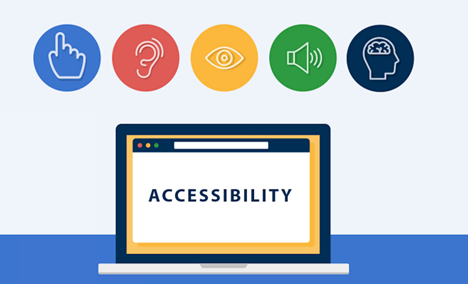
For UK e-commerce businesses, adhering to web accessibility standards is no longer just an ethical imperative but a critical financial safeguard, particularly for those engaging even minimally with the U.S. market. Recent trends in litigation underscore the risks: ignoring the requirements of the Americans with Disabilities Act (ADA) could result in costly legal challenges. During the first half of 2023 alone, a notable spike in ADA-related federal lawsuits was observed, with 414 cases filed—a substantial increase from previous years. Legal practices like Mars Khaimov Law and Stein Saks, which managed 82% of these cases over the past year, are at the forefront of enforcing these standards, signaling a robust trend in litigation.
Contrary to popular belief, it is not only the large e-commerce conglomerates that find themselves in the crosshairs of such lawsuits. Data from 2022 reveals that 77% of the lawsuits targeted smaller online retailers whose annual revenues did not exceed £20 million. Moreover, the e-commerce sector bore the brunt of these legal actions, accounting for 84% of the cases. This trend suggests a deliberate focus on this industry, emphasizing the critical need for all e-commerce entities, irrespective of size, to comply with ADA standards.
Liam Webster, co-founder of Identify Digital, a leading web design and development agency, warns that even a single transaction involving the U.S. market can expose UK businesses to ADA litigation risks. He stresses the importance of recognizing and addressing these vulnerabilities before they escalate into legal challenges. Typical violations cited in these lawsuits include inadequate keyboard navigation, the absence of alternative text for images, ambiguous form inputs, poor color contrast, lack of video captions, and unclear link text. Each of these issues can significantly impair the user experience for individuals with disabilities.
Addressing these accessibility concerns requires more than a cursory adjustment; it necessitates a comprehensive approach involving manual audits of website accessibility, adjustments to the code to improve accessibility, and consultation with experts knowledgeable in ADA compliance. By fostering a robust digital accessibility framework, e-commerce firms not only mitigate the risk of litigation but also enhance their brand reputation and improve the overall user experience. Such improvements make the site more navigable and enjoyable for all users, ultimately increasing customer satisfaction and loyalty.
The commitment to digital accessibility should be viewed not only as a legal requirement but as an opportunity to tap into a wider market. Approximately 15% of the world’s population lives with some form of disability. By making websites more accessible, businesses can reach a larger audience, including those who are often overlooked. This approach not only drives sales but also fosters inclusivity, a value that modern consumers increasingly expect from businesses.
Moreover, engaging with specialists in web accessibility can provide businesses with the expertise necessary to navigate the complexities of ADA compliance. These professionals can offer insights into the latest regulations and help implement the best practices in web accessibility. Regular training sessions for web developers and content creators on accessibility principles can also be beneficial, ensuring that all new content is accessible from the outset.
For UK e-commerce companies that engage with the U.S. market, even on a limited basis, adhering to ADA standards is essential. The cost of non-compliance can be severe, not just in terms of litigation expenses but also in damage to a company’s reputation and customer trust. In today’s digital age, where word of mouth and consumer reviews greatly influence buying behaviors, maintaining a strong, inclusive online presence is crucial.
In conclusion, while the task of fully integrating web accessibility into an e-commerce platform may seem daunting, the potential legal and reputational risks of non-compliance make it an indispensable investment. By proactively addressing these issues, UK e-commerce businesses can avoid the pitfalls of ADA litigation and position themselves as ethical, inclusive leaders in the digital marketplace.