
Community
Innovations in Waste Management: How Big Containers Are Changing the Game
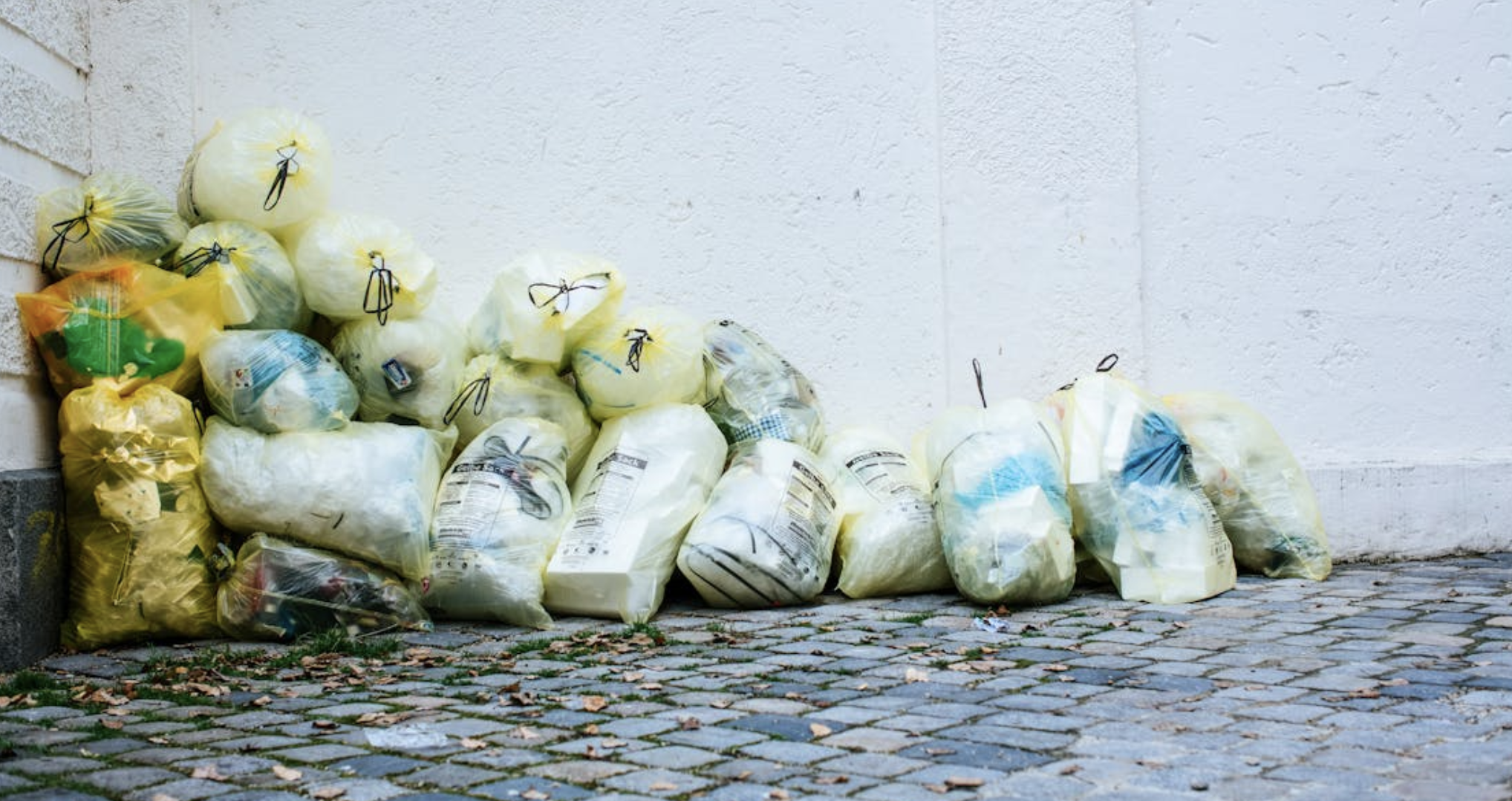
In the landscape of modern waste management, innovation isn’t just about introducing cutting-edge technology; it’s about rethinking the use of existing resources to maximize efficiency and sustainability. Large waste containers, particularly 30-yard dumpsters, play a pivotal role among these resources. This kind of strategic resource utilization significantly shifts how businesses and communities handle waste. Before diving into the impact of these large dumpsters, it’s helpful to explore a comprehensive guide to 30-yard dumpster rentals, which offers insight into their dimensions, capacities, and suitable project types.
Revolutionizing Bulk Waste Disposal
The embracement of vast containers, such as the 30-yard dumpsters, is a game changer in waste management as it brings forth possibilities that could not have been considered before. These containers are suitable for many projects, including construction sites and even hectic community events, where the volume of waste generated would otherwise be impossibly huge if disposed of using smaller bins. The scale of the bins allows for the effective removal of bulky items and large volumes of debris, which in turn leads to the reduction of how frequently waste collection is needed and, thus, the associated costs and emissions.
Among the many significant transformations that these large dumpsters have brought about, we can especially observe in the construction sector. This is where vast waste is effectively handled, and, in the end, operations are simplified. The work proceeds faster since there’s no need to catch up after each pause when managing the waste, and the work site is also safer and cleaner without heaps of waste spread around and obstructing the areas. This, in turn, not only diminishes construction time but also influences the site’s safety practices and efficiency.
Emphasizing Environmental Friendliness in Waste Management
The 30-yard dumpsters are being used not only for efficiently handling large volumes of waste but also to play a vital role in sustainability enhancements for waste management practices. Compared to the small bins, the large bins have the advantage of holding substantial amounts of waste. This reduces the carbon footprint associated with waste transport, improving the overall carbon footprint. With fewer truckloads being used to haul the waste to landfills, this significantly lowers fuel consumption and emission levels. At this level, the urban areas, institutions, and large establishments are the most affected as the volumes of waste can be overwhelming.
Furthermore, the large spaces of these containers lead to the perfect sorting and separation of recyclable materials from the rest of the waste. This feature is the most critical factor in a sustainable waste management system. In the beginning, sorting recyclables prevents contamination and improves the quality of the recycled material, which stands a higher chance of being used in the production cycle.
The appeal of such a system that allows for significant reductions in the emission of greenhouse gases is no doubt a big plus for urban planners and environmental policymakers. By delivering 30-yard dumpsters with the specific intent of recyclable separation, cities, and large institutions can create more functional recycling programs. These big containers could be designed for each of these kinds of recyclables – plastics, metals, or paper. Thus, it will be easy for participants to participate in the recycling process. The simplicity of use fosters compliance and allows waste processing to be automated, bringing higher recycling rates and less waste to landfills.
By integrating these practices, the 30-yard dumpsters become more than just waste collection points; they transform into pivotal elements of a broader strategy to reduce environmental impact and promote sustainability. This approach helps manage waste more effectively and supports broader environmental goals like reducing greenhouse gas emissions and conserving natural resources. Thus, using these dumpsters is a critical step forward in our ongoing efforts to create more sustainable communities.
Conclusion
With the global pressures of waste management looming ahead, the emergence of solutions like large dumpsters has become a game-changer. The 30-yard dumpster becomes more than just a means for discarding large quantities of waste; it’s a critical instrument in developing environmental sustainability and operational efficiency in industries worldwide.
By adopting these large waste containers, businesses and communities are not only addressing their waste management issues but also partaking in a more significant cause toward sustainability and efficiency that has lasting impacts. The path to effective waste management is tangled and multi-dimensional, but getting there with the right resources and strategies is all we need.