
Community
Keys to Success: Elevating Your Piano Skills with Expert Training and Ergonomic Techniques
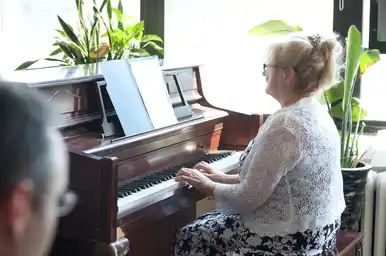
For many, the piano is not just an instrument but a passion. Diving into the world of piano playing can be as intensive as it is gratifying, with every mastered piece feeling like a triumph. However, it’s not solely the skill of moving one’s fingers across the keys that creates sublime music – it’s the culmination of proper techniques, body posture, and expert guidance, all harmonising to produce melodies that resonate with both performer and audience. In this exploration, we delve into fundamental strategies and ergonomic approaches to piano mastery, as well as the rich advantages of personalized coaching.
The Craft Behind the Keys: Techniques That Make a Difference
There is an art to tastefully delivering a piano performance, and it begins with mastering the essential techniques. Expert piano lessons often start with foundational skills such as scales, arpeggios, and finger-strengthening exercises. These techniques are not just warm-ups; they are pillars that support a pianist’s ability to tackle complex compositions with confidence and dexterity.
Mastering the right technique also entails understanding how to read and interpret sheet music, an often overlooked aspect that is crucial to playing with expression and emotion. Knowing when to accentuate a note and when to allow a soft demise of sound can transport listeners to the very heart of a composer’s intent.
Ergonomic Mastery: The Significance of Posture in Piano Playing
Flawless technique is one thing, but it must be coupled with ergonomic wisdom. Poor posture can not only lead to inefficient playing but also to long-term health issues such as repetitive strain injury or musculoskeletal disorders. The principles of Proper body positioning for guitar playing translate similarly to piano, where maintaining a natural and relaxed posture is paramount.
Good posture at the piano involves having your feet flat on the floor, with knees slightly under the piano and at a right angle. The forearms should be parallel to the floor and wrists should show a natural curve. Sit on the front half of the bench to allow free movement of the body and ensure the bench is at a height where the elbows are slightly above the keys. These tactics are not only ergonomic but also aid in fostering an enduring practice routine.
Personalized Coaching: The Keystone of Piano Proficiency
While self-guided learning has its perks, there is no substitute for the tailored expertise that Piano Lessons at Sage provides. Personalised coaching addresses the unique needs and goals of an individual, crafting a custom plan that accelerates one’s progression. Whether a novice or an experienced pianist seeking to fine-tune their skill set, expert instructors can offer valuable insights that pivot students towards success.
Personalized instruction not only tails to the individual’s skill level but also helps in setting realistic goals, understanding the nuances of different musical styles, and nurturing a resilient practice ethic. An adept coach becomes more than an instructor – they become a mentor that instills confidence as well as competence.
Bridging Technique and Coaching: Why Both Are Necessary
To truly excel at the piano, one must morph the technical with the personal. Meticulous technique ensures accuracy and fluency, while ergonomic understanding prevents injury, but these both reach their fullest potential when moulded to the individual through personalised coaching. The harmonious blend of these elements leads to an enriching and sustainable journey in piano mastery.
Under expert guidance, students can learn how to practise effectively, which is integral to mastering the piano. Rather than mindlessly repeating passages, a coach can show how to break down complex pieces, set practice routines, and cultivate self-assessment skills crucial for one’s development.
Moreover, those who undertake customized coaching understand the importance of pacing and rest. While it’s tempting to practise incessantly in pursuit of perfection, rest is equally important to prevent burnout and maintain a healthy relationship with the instrument.
Conclusion: The Symphony of Successful Piano Mastery
A pianist’s journey is not just about playing the right notes; it’s about engaging with music on a profound level. This requires an exploration of techniques that deepen your interpretative skills, adopting ergonomic methods to safeguard your health, and embracing the personalised approach that expert coaching offers.
Through the interweaving of discipline, technique, and the bespoke educational experiences available, such as those provided by Sage Music, budding pianists can look forward to a rewarding musical journey. It’s the synergy between the physical and the intellectual, the technical and the personal, that unlocks the full spectrum of piano artistry. So, take a seat at the piano, adjust your posture, and let the transformative power of music combined with the key insights of expert piano education elevate your playing to soaring new heights.
In summary, the keys to success in nurturing one’s piano skills are diligent attention to techniques, awareness of ergonomic playing, and the invaluable input from personalized coaching. Each element is instrumental in composing the grand concerto of your musical expression and joy. To progress in your piano journey, integrate these lessons into your practice and watch as your abilities flourish in concert with your love for the piano.