
Community
Let’s Talk About Sex With Sexuality Education Expert, Sorah Stein, BCBA-D
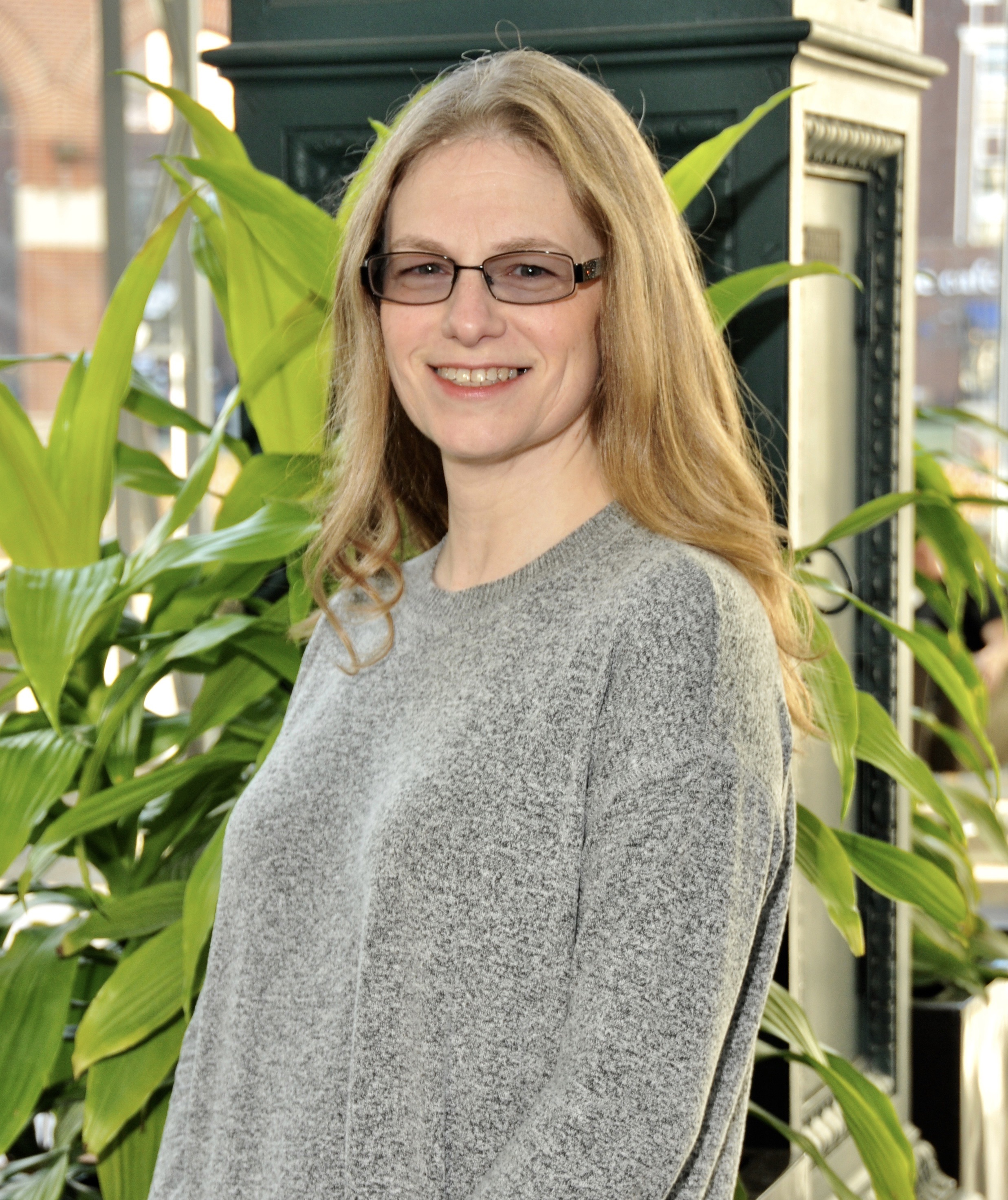
Today’s guest is Sorah Stein, BCBA-D. Stein makes the uncomfortable and taboo more approachable in terms of talking about sexual behaviors. She specifically does so in the specialty area of working with people with developmental disabilities and their caregivers.
Q1 – How did you first become interested in being a sexuality educator?
A – The job I worked at in 2008 led me to provide consultation on some cases in which some inappropriate sexual behavior occurred. In the course of those consultations, I realized how inadequately prepared families and direct care providers often are in this domain. I started to research sexuality education for people with developmental disabilities and build my competence in this realm of practice.
Q2 – What does a sexuality educator do?
A – This depends on the setting. Some of my colleagues work in K-12 settings and colleges providing education. Some write amazing books. Some work in more specialized settings such as Planned Parenthood. In my case, I provide webinars and workshops, direct consultation, and individualized educational programming to meet the needs of people with developmental disabilities.
Q3 – If someone wanted to become a sexuality educator, what would you suggest they specialize in?
A – Whatever they’re passionate about helping others learn!
Q4 – Do you find that your friends and family feel uncomfortable talking to you about sex?
A – Not particularly… I think some seek me out for this purpose?
Q5 – What are the biggest gaps you see in sex education for people with developmental disabilities?
A – Sadly, it’s not gaps; it’s the overall lack of sexuality education provided for students with developmental disabilities. In K-12 settings, students with developmental disabilities can be excluded from whatever form of sexuality education is provided in that state. People with developmental disabilities are most often taught things related to hygiene, but less often safety, sexual function, and pleasure.
Q6 – You have a parent apprehensive about sexuality education for a child with a developmental disability or they don’t think it is necessary. What would you say to them?
A – I’m not big on scare tactics, but the statistics on sexual abuse in developmental disabilities are alarming. I tend to remind parents that they won’t be around forever and can’t be everywhere with their child, so they need to consider the long-term benefits of teaching safety skills, independent hygiene skills, etc.