
Community
Lights, Camera, Advocacy: Using Film & Broadcasting for Social Change
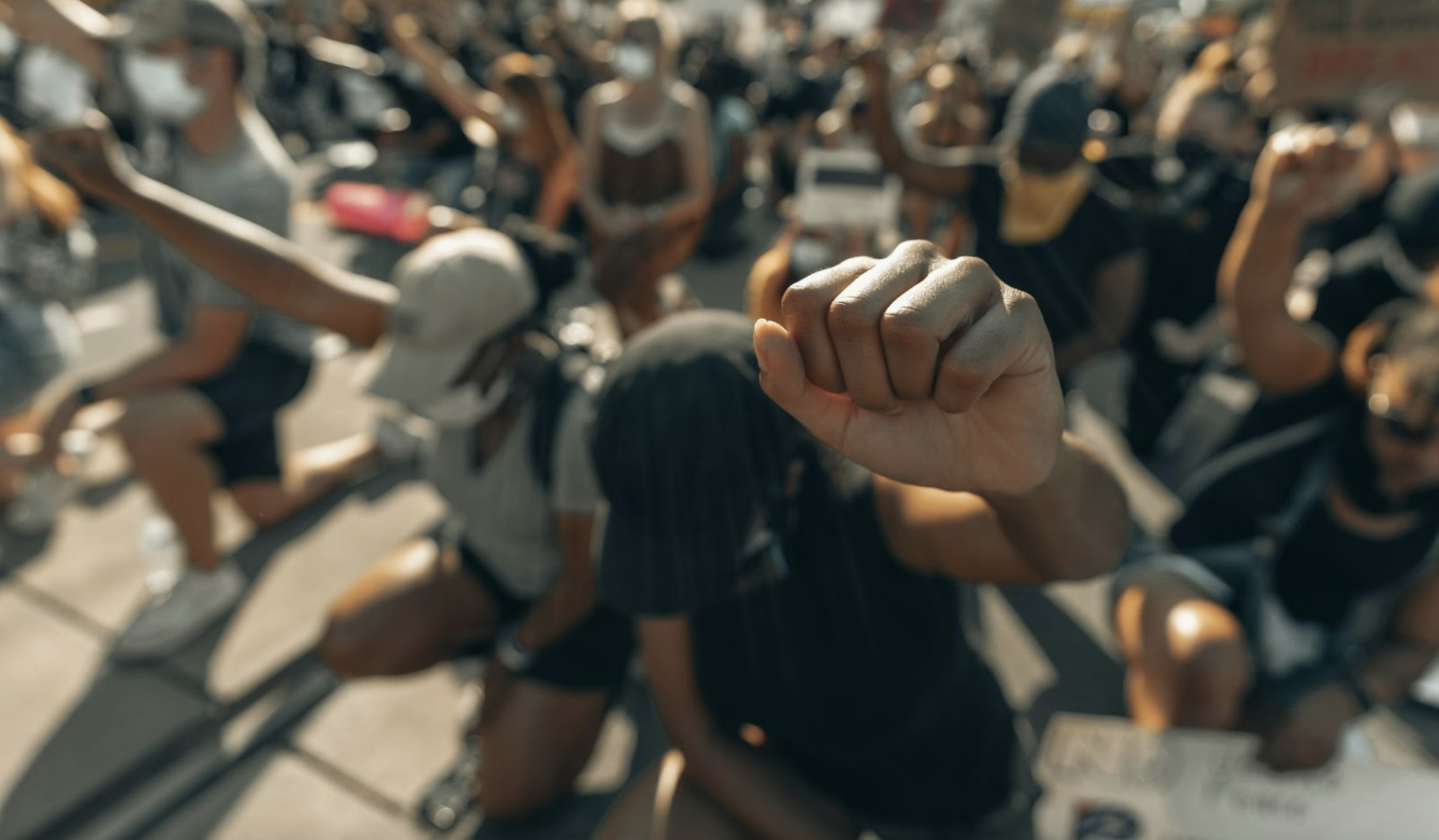
Imagine the impact you can make by using film and broadcasting to advocate for social change. Visual storytelling has a unique ability to resonate with audiences, blending emotional appeal with compelling narratives. You’ll find that documentaries often expose hidden truths, while narrative films build empathy, prompting viewers to reflect and engage. By collaborating with activists, filmmakers can craft powerful messages that inspire concrete actions towards a more just society. But how exactly does this collaboration work, and what role do broadcasters play in amplifying these voices? Let’s explore the intricate dynamics behind this influential medium.
The Power of Visual Storytelling
Have you ever noticed how a single image can instantly convey a powerful message that words alone can’t capture? That’s the magic of visual storytelling.
When you watch a film, you’re not just seeing a sequence of events; you’re experiencing emotions, ideas, and narratives that resonate on a deeper level. Visuals grab your attention and make complex issues relatable and understandable.
Think about documentaries or impactful movies you’ve seen. They don’t just inform you; they move you. They make abstract concepts tangible, allowing you to walk in someone else’s shoes, even if just for a moment. This emotional connection makes you care more deeply about the issues at hand.
Moreover, visual storytelling is more accessible. Not everyone has the time or inclination to read a detailed report or article, but a compelling short film or documentary can reach a wider audience quickly. It breaks down barriers of language and literacy, making the message universal.
Historical Impact of Film on Social Movements
Throughout history, films have played a pivotal role in shaping and driving social movements. Have you ever wondered how a single movie can spark widespread change?
Think about how films like To Kill a Mockingbird challenged racial injustice by bringing the harsh realities of discrimination into living rooms across America. By humanizing complex issues, films make you see the world through different eyes, compelling you to act.
Consider how Norma Rae ignited labor rights advocacy. This film didn’t just tell a story; it made viewers question their own work environments and demand better conditions. It’s fascinating how a compelling narrative can turn passive observers into active participants in social change.
And let’s not forget Philadelphia, which broke new ground by addressing the AIDS crisis. This powerful film didn’t just inform—it moved people emotionally, prompting discussions and policy changes. Filmmakers have a unique ability to combine storytelling, visuals, and emotion, making it impossible to ignore the issues at hand.
Documentaries: Exposing Hidden Truths
Ever wonder how documentaries manage to uncover and bring to light hidden truths that often escape mainstream narratives? It’s because documentarians dive deep into stories, investigate overlooked issues, and provide a platform for voices that aren’t usually heard. They don’t just present facts; they weave compelling narratives around real-life experiences, making you question what you thought you knew.
By focusing on underrepresented topics, documentaries can challenge societal norms and spark meaningful conversations. Think about films like ‘Blackfish‘ or ’13th.’ These documentaries didn’t just inform; they ignited movements, leading to tangible change.
When you watch a documentary, you’re not just passively absorbing information. You’re engaging with it, reflecting on it, and often feeling compelled to take action.
Moreover, documentaries offer a level of authenticity that’s hard to ignore. Real footage, interviews, and firsthand accounts make the issues presented feel immediate and pressing. You’re seeing the world through the eyes of those directly affected, which can be incredibly powerful.
Narrative Films: Building Empathy
Narrative films have a unique ability to build empathy by immersing you in the emotional journeys of their characters. When you watch a well-crafted story, you don’t just see the characters; you feel what they feel. This emotional connection can make you more compassionate and understanding toward real-life issues and people.
Consider how films like ‘Schindler’s List’ or ‘The Pursuit of Happyness’ have moved audiences:
- Character-driven storytelling: You become invested in the characters’ lives, triumphs, and struggles, making their experiences feel personal to you.
- Emotional resonance: These films often tackle universal themes like love, loss, and hope, evoking emotions that resonate deeply.
- Complex narratives: They offer nuanced portrayals of social issues, helping you see multiple sides of a situation.
- Cultural exposure: By presenting diverse cultures and perspectives, they broaden your understanding of the world.
- Moral dilemmas: They often present ethical questions, prompting you to reflect on your own values and beliefs.
Isn’t it fascinating how a two-hour film can shift your perspective and ignite a desire for social change?
Through the power of storytelling, narrative films can inspire you to empathize, understand, and even take action.
The Role of Broadcasters in Advocacy
Just as narrative films can build empathy and inspire action, broadcasters play a pivotal role in amplifying these messages and advocating for social change on a larger scale.
Have you ever considered how the reach of television and radio can transform local issues into global conversations? When broadcasters choose to air documentaries, interviews, or even short segments on pressing social matters, they’re not just filling airtime—they’re driving awareness and urging viewers to act.
Think about it. When a news channel highlights an environmental crisis or a public radio station runs a story on human rights abuses, they’re educating their audience and often prompting listeners to get involved. Broadcasters can create a ripple effect, where informed and motivated individuals start making changes in their communities.
You might wonder, what makes broadcasters so effective in advocacy? It’s their ability to reach diverse audiences across different demographics. They can shape public opinion by presenting well-researched stories and giving a platform to marginalized voices. By doing so, they help bridge the gap between awareness and action.
Influential Activist Filmmakers
Have you ever noticed how a single documentary by an influential activist filmmaker can spark a global movement? Filmmakers like Ava DuVernay and Michael Moore don’t just create films; they ignite conversations and drive social change. Their work doesn’t merely document issues; it challenges viewers to take action.
These filmmakers use their platforms to shine a light on injustices and mobilize audiences. What makes them so effective?
- Compelling Storytelling: They craft narratives that are both informative and emotionally gripping.
- Broad Reach: Their films are accessible across various platforms, reaching a diverse audience.
- Credibility: They often bring in experts and firsthand accounts to substantiate their messages.
- Visual Impact: Stunning visuals and powerful imagery make the issues they’re addressing hard to ignore.
- Call to Action: They often include clear, actionable steps viewers can take to contribute to the cause.
Case Studies of Change Through Film
What if a single film couldn’t only tell a story but also transform the world around us? Consider ‘An Inconvenient Truth,’ Al Gore’s groundbreaking documentary on climate change. It didn’t just raise awareness; it sparked a global movement. You saw nations revising policies, schools integrating climate education, and businesses adopting greener practices. It proved that a film could be a catalyst for worldwide change.
Now, think about ‘The Cove,’ a documentary exposing the brutal dolphin hunts in Taiji, Japan. This film didn’t just inform viewers; it led to international outrage and significant changes in Japan’s practices. Activists rallied, governments took notice, and the world couldn’t ignore the plight of these dolphins any longer.
Another impactful case is ‘Blackfish,’ which revealed the dark side of marine parks. After its release, SeaWorld saw a dramatic drop in attendance and eventually announced the end of its orca breeding program. You witnessed how a single film can shift public perception and drive corporate accountability.
These examples show that films aren’t just entertainment; they’re powerful tools for advocacy. They can inform, inspire, and ignite real-world action.
What story will you help tell next?
Techniques for Effective Advocacy in Film
Imagine harnessing the power of storytelling to not just inform, but to move audiences to action and drive real-world change. How do you achieve this? By using specific techniques that transform a film into a call to arms.
First, focus on creating compelling characters. Characters with depth and relatability can make your audience care deeply about the issues you’re highlighting.
To make your advocacy in film effective, consider these techniques:
- Emotional Appeal: Use music, visuals, and dialogue to evoke strong emotions. A well-timed tear or a powerful speech can resonate long after the credits roll.
- Real-Life Stories: Incorporate true stories to add authenticity. People connect better with real experiences than fictional accounts.
- Visual Impact: Stunning visuals and cinematography can make the issue more urgent and engaging. Don’t just tell—show.
- Clear Calls to Action: End your film with actionable steps. Whether it’s signing a petition, donating, or volunteering, make it easy for viewers to act.
- Educational Content: Blend facts seamlessly into your narrative. Educate your audience without making them feel like they’re in a classroom.
Consider collaborating with a production company that specializes in social impact films. For instance, you could partner with Seven Production Film & Broadcasting company in Riyadh, a company with a proven track record of creating documentaries that raise awareness and inspire action.
Collaborations Between Activists and Filmmakers
Frequently, the most impactful films emerge from dynamic collaborations between passionate activists and visionary filmmakers. Have you ever wondered how these partnerships come to life?
Activists bring firsthand experience and deep understanding of social issues, while filmmakers contribute their storytelling prowess and technical expertise. Together, they create powerful narratives that resonate with audiences and drive change.
Consider how a filmmaker’s eye for compelling visuals can amplify an activist’s message, making it more relatable and urgent. These collaborations often start with shared goals and mutual respect, fostering a creative environment where ideas can flourish.
Filmmakers and activists brainstorm, script, and produce, ensuring the story remains authentic and impactful.
You might ask, why are these collaborations so effective? When activists and filmmakers unite, they blend facts with emotion, creating a potent mix that educates and inspires.
Films like 13th and He Named Me Malala demonstrate how these partnerships can bring critical issues to the forefront, sparking conversations and mobilizing communities.
Crowdfunding and Independent Films
In an era where traditional funding avenues often overlook socially-driven projects, how do these impactful collaborations between activists and filmmakers get started? The answer lies in the power of crowdfunding. By leveraging platforms like Kickstarter and Indiegogo, you can bypass conventional gatekeepers and rally a community around a cause that matters.
Crowdfunding offers several advantages:
- Direct Engagement: You connect directly with supporters, building a community invested in your project’s success.
- Creative Freedom: Without the restrictions of traditional funding, your vision remains pure and undiluted.
- Validation: A successful campaign demonstrates public interest, which can attract additional investors or media attention.
- Marketing and Awareness: The process itself creates buzz, expanding your project’s reach even before it’s completed.
- Resource Pooling: Small contributions from many can quickly add up, making seemingly impossible projects feasible.
When you choose crowdfunding, you’re not just raising money; you’re building a movement. Every contribution, share, and comment serves as a testament to the project’s importance.
Impact of Social Media on Broadcasting
Social media has radically transformed the landscape of broadcasting, offering unprecedented opportunities for real-time engagement and content dissemination. Have you noticed how quickly news spreads on platforms like Twitter or Facebook? It’s astonishing. Traditional broadcasters are no longer the sole gatekeepers of information; now, anyone with a smartphone can become a broadcaster, sharing updates and stories instantly.
Consider how live streaming on social media has made it possible to witness events as they unfold, without waiting for the evening news. You can interact with content creators in real-time, ask questions, and even influence the direction of a broadcast. This level of engagement was unthinkable a decade ago.
Moreover, social media’s algorithms curate content based on your interests, making information more accessible and tailored. Imagine the power this has for advocacy—targeted campaigns can reach the right audience swiftly, amplifying essential messages.
Yet, this democratization of broadcasting comes with its challenges. Information spreads fast, but so does misinformation. However, the potential for social change is immense if you leverage these platforms wisely.
Are you ready to harness the power of social media to make a difference? The tools are at your fingertips.
Legal and Ethical Considerations
As you navigate the dynamic world of broadcasting through social media, have you considered the legal and ethical implications of your content? Your voice can influence millions, but with great power comes great responsibility. It’s essential to be aware of the legal frameworks and ethical standards that govern the distribution of media.
Think about copyright laws. Are you using someone else’s work without permission? Not only could this lead to legal issues, but it also undermines the integrity of your message. Consider the privacy of individuals featured in your content. Have you obtained their consent? Ethical broadcasting respects personal boundaries and fosters trust.
Here are key points to keep in mind:
- Copyright Compliance: Verify you have the right to use all materials.
- Privacy Protection: Always seek consent before featuring individuals.
- Fact-Checking: Confirm the accuracy of your information to avoid misinformation.
- Cultural Sensitivity: Be mindful of the diverse backgrounds of your audience.
- Transparency: Clearly disclose any sponsorships or affiliations.
Future Trends in Film Advocacy
Have you ever wondered how emerging technologies and shifting social paradigms will shape the future of film advocacy? The landscape is evolving rapidly, and it’s an exciting time to be part of this dynamic field.
With virtual reality (VR) and augmented reality (AR) becoming more accessible, you can imagine how immersive experiences might revolutionize storytelling. These tools don’t just tell you a story; they place you inside it, making the issues more tangible and urgent.
Social media platforms are also playing a pivotal role. They’re not just for sharing cat videos anymore. With live streaming and viral content, you can reach millions instantly, creating a real-time dialogue around critical issues.
Crowdfunding platforms are another game-changer, democratizing the funding process and allowing more voices to be heard.
Artificial intelligence (AI) and data analytics are making it easier to target and personalize advocacy messages. Imagine crafting a documentary that dynamically changes based on the viewer’s preferences or background. The possibilities are endless.
Conclusion
You might wonder if films can truly drive social change, but remember, every great movement starts with awareness. By watching and sharing these powerful stories, you’re not just a spectator; you’re part of a growing force for justice.
So why not take that next step? Engage, reflect, and act. Together, through film and broadcasting, we can make a tangible difference. Ready to be the change?
Lights, camera, advocacy!
Photo Source: https://unsplash.com/photos/people-in-black-shirts-and-black-shorts-sitting-on-bench-during-daytime-qT7fZVbDcqE