
Community
LL-37: Inflammation and Immunity
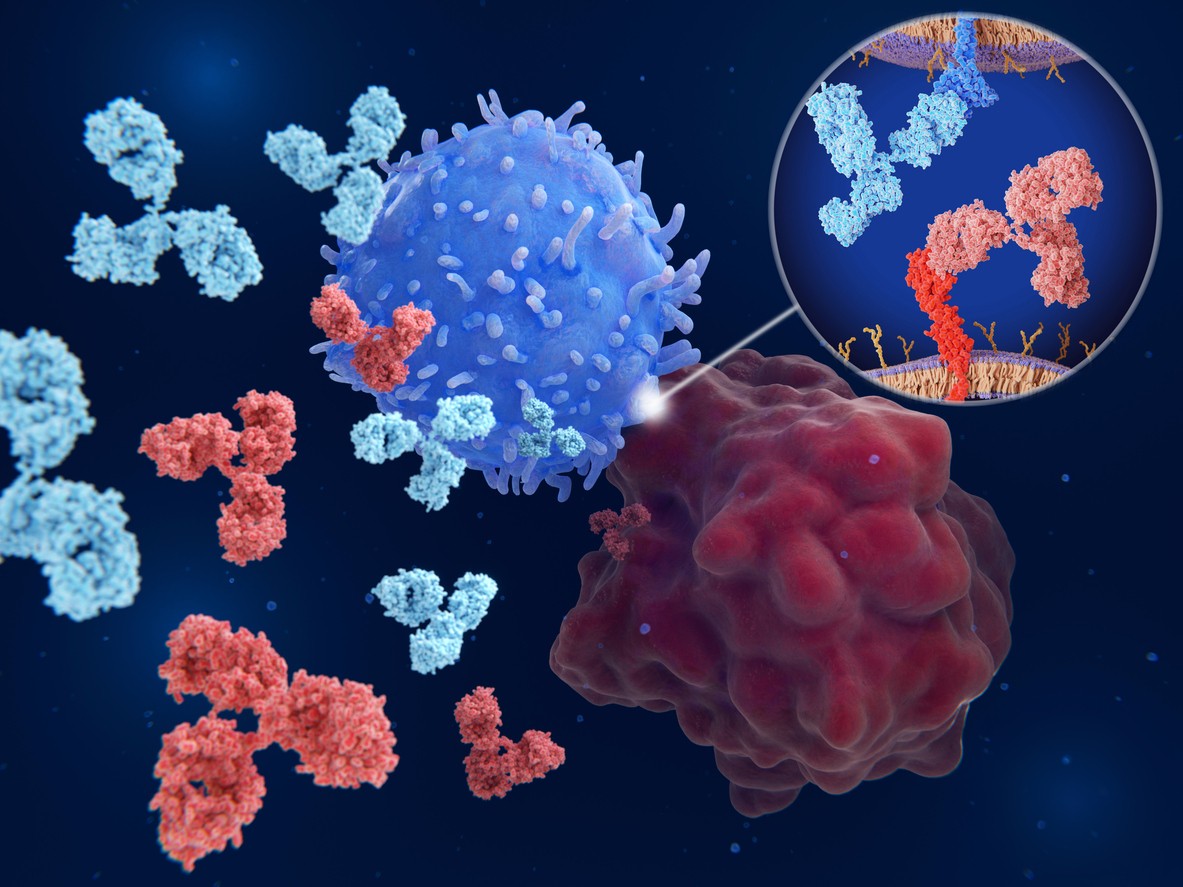
Animal studies have suggested that the LL-37 peptide may be potentially impactful against microbes and inflammation.
Research indicates that the only known cathelicidin, LL-37 (or CAP-18), is a peptide with antibacterial potential. Based on animal studies, the LL-37 peptide, mostly in macrophages and polymorphonuclear leukocytes, appeared to have antibacterial potential that eliminate germs and, perhaps, viruses and infections.
Researchers have hypothesized that LL-37 may have potential antibacterial properties, suggesting it might be a viable alternative to antibiotics in studies. Multiple investigations have purported that Cathelicidin LL-37 may exert potential antibacterial action against various gram-positive and gram-negative mouse pathogens, raising the possibility that it might eradicate infections.
Additional research has postulated the critical function of antimicrobial peptides (AMPs) such as LL-37 in wound healing, cancer, and autoimmune diseases.
LL-37 Peptide: What is it?
Being a cathelicidin, LL-37 is theorized to aid in controlling infections and regulating the invasion of bacteria and viruses. Research suggests that AMPs like this one may stimulate the innate mucosal immune response, which in turn may potentially act to eliminate infections.
Upon stimulation, a specific kind of white blood cell called a neutrophil releases the peptide LL-37 in its mature form. According to animal studies, it seems to manifest in several different tissues and cells, including those in the skin, the lungs, the gastrointestinal system, the bone marrow, and circulating neutrophils.
Research has indicated that the skin’s natural vitamin D production might increase LL-37 synthesis. More research indicates the LL-37 peptide’s important function in wound and inflammation-related infection defense. It is believed to kill bacteria and normal cells. Its sequence is -Leu-Leu-Gly-Asp-Phe-Phe-Arg-Lys-Ser-Lys-Glu-Ile-Gly-Lys-Glu-Phe-Lys-Arg-Ile-Val-Gln-Arg-Ile-Lys-Asp-Phe-Leu-Arg-Asn-Leu-Val-Pro-Arg-Thr-Glu-Ser.
LL-37 Peptide: Mechanism of Action
Research implied that LL-37 may mainly target cancer cells expressing bone morphogenetic protein (BMP) signaling. This suppresses stomach cancer cell growth. Concurrently, overexpressing LL-37 may potentially accelerate ovarian, breast, and lung malignancies.
Staphylococcus aureus (staph), a major concern in contemporary research due to the development of antibiotic resistance, is another hypothetical impact that the LL-37 compound has been speculated to alleviate. Research with LL-37 has purported that the peptide might be efficient against staph in its cell-invading and free-living forms. Animal studies have postulated that it may potentially be more effective than conventional compounds in the context of the illness.
The scientific community is interested in LL-37 for several reasons. The target research models are those with diabetes or impaired immune systems; experts hope it may help in the context of persistent infections. Additionally, studies have reported that it might be useful in yeast infections and E. coli.
LL-37 Peptide Potential
Scientists are actively investigating the antimicrobial peptide LL-37. So far, they have speculated about several impacts of the peptide.
LL-37 Peptide and Microbes
Integral to the immune system, LL-37 appears to bind to gram-negative bacteria’s lipopolysaccharide (LPS) and disrupts bacterial function. Since it is also believed to work on gram-positive bacteria, it seems useful for staph infections and other bacterial-related disorders.
Research on skin infections has purported that LL-37 levels are low in strong epidermal barriers but may quickly rise in infected areas. Animal studies have implied this peptide may act against infections when combined with other proteins, such as beta-defensin 2 from mice.
LL-37 Peptide and Tissue
The LL-37 peptide seems to control the ratio of pro- to anti-inflammatory chemicals in the mouse organism due to its antibacterial potential. According to the experts, finding the sweet spot between inflammation and tissue recovery is challenging. For one thing, the organism needs inflammatory reactions to help fight off infections. However, those same responses may hinder healing, lead to scar tissue development, and even trigger autoimmune illnesses. The good news is that LL-37 appears to help restore a potential balance between inflammation and healing by influencing macrophages. These cells are normally responsible for triggering inflammation in response to pathogen invasion.
When macrophages identify harmful microbes, they notify the immune system to go into attack mode. At this point, the immune system has seized the infections, and macrophages have begun secreting new signals to lessen inflammation in preparation for the healing phase. Paradoxically, animal studies have indicated that LL-37 cathelicidin peptide may be essential in reversing macrophage activation, turning anti-inflammatory macrophages into pro-inflammatory variants.
In addition, LL-37 has been theorized to reduce biofilm development, which might improve tissue recovery for P. aeruginosa and S. aureus infections. Animal studies have ascertained that it may potentially accelerate wound healing by associating with fibroblasts and keratinocytes, and by its antibiofilm potential, it might remove germs from wounds.
LL-37 Peptide and Skin Cells
In addition to its reputation as an antimicrobial peptide, LL-37 is believed to potentially alleviate symptoms often associated with inflammatory conditions, including psoriasis, arthritis, lupus, and others. Scientific studies have purported that LL-37 may potentially modulate immune system functions such as keratinocyte apoptosis reduction, increased production of IL-18 and IFN-alpha, neutrophil alterations, and reduction of atherosclerotic plaque levels.
LL-37/CAP-18 is believed to have varying impacts on the immune system. For example, there are situations when T-cells respond to peptides by increasing their inflammatory activities even while inactivated yet by decreasing their actions when activated.
According to new studies, LL-37 seems to promote immune system balance and reduce the likelihood of it becoming hyperactive in the face of infection by acting as a homeostatic agent.
This leads experts to assume that LL-37 may have a role in controlling autoimmune disease inflammation. While it was long believed to be the source of inflammation, new research suggests LL-37 may have the potential in autoimmune disorder research.
LL-37 Peptide and Pain
Research indicates that LL-37 may potentially mitigate signaling related to arthritic pain. According to the study, arthritis joints in rats reportedly had large amounts of the peptide. This is because LL-37 may potentially decrease systemic inflammation.
Collagen damage is a common consequence of inflammatory arthritis, and another research study in mice has indicated that LL-37 might protect against this damage. Applying LL-37 to diseased joints appeared to have helped alleviate some symptoms. Given the high quantities of LL-37 in inflamed tissues, scientists believe it may have protective effects in arthritis. In addition, studies have ascertained that the peptide may control the inflammatory response to interleukin-32, a chemical strongly associated with arthritic conditions.
Data also suggests that up-regulation of toll-like receptor 3 may exacerbate arthritic symptoms. LL-37 is hypothesized to enhance the anti-inflammatory effects by binding to TLR4.
References
[i] Moon, Ja-Young, Katherine A. Henzler-Wildmice, and A. Ramamoorthy. “Expression and Purification of a Recombinant LL-37 from Escherichia Coli.” Biochimica et Biophysica Acta (BBA) – Biomembranes 1758, no. 9 (September 2006): 1351–1358. doi:10.1016/j.bbamem.2006.02.003.
[ii] Piktel, Ewelina, Katarzyna Niemirowicz, Urszula Wnorowska, Marzena Wątek, Tomasz Wollny, Katarzyna Głuszek, Stanisław Góźdź, Ilya Levental, and Robert Bucki. “The Role of Cathelicidin LL-37 in Cancer Development.” Archivum Immunologiae et Therapiae Experimentalis 64, no. 1 (September 22, 2015): 33–46. doi:10.1007/s00005-015-0359-5.
[iii] Wei X, Zhang L, Yang Y, Hou Y, Xu Y, Wang Z, Su H, Han F, Han J, Liu P, Hu S, Koci MD, Sun X, Zhang C. LL-37 transports immunoreactive cGAMP to activate STING signaling and enhance interferon-mediated host antiviral immunity. Cell Rep. 2022 May 31;39(9):110880. doi: 10.1016/j.celrep.2022.110880. PMID: 35649354.
[iv] Nagaoka I, Tamura H, Reich J. Therapeutic Potential of Cathelicidin Peptide LL-37, an Antimicrobial Agent, in a Murine Sepsis Model. Int J Mol Sci. 2020 Aug 19;21(17):5973. doi: 10.3390/ijms21175973. PMID: 32825174; PMCID: PMC7503894.
[v] Chinipardaz Z, Zhong JM, Yang S. Regulation of LL-37 in Bone and Periodontium Regeneration. Life (Basel). 2022 Sep 30;12(10):1533. doi: 10.3390/life12101533. PMID: 36294968; PMCID: PMC9604716.
[vi] Memariani H, Memariani M. Antibiofilm properties of cathelicidin LL-37: an in-depth review. World J Microbiol Biotechnol. 2023 Feb 14;39(4):99. doi: 10.1007/s11274-023-03545-z. PMID: 36781570.
[vii] Moreno-Angarita A, Aragón CC, Tobón GJ. Cathelicidin LL-37: A new important molecule in the pathophysiology of systemic lupus erythematosus. J Transl Autoimmun. 2019 Dec 17;3:100029. doi: 10.1016/j.jtauto.2019.100029. PMID: 32743514; PMCID: PMC7388365.
[viii] Ridyard KE, Overhage J. The Potential of Human Peptide LL-37 as an Antimicrobial and Anti-Biofilm Agent. Antibiotics (Basel). 2021 May 29;10(6):650. doi: 10.3390/antibiotics10060650. PMID: 34072318; PMCID: PMC8227053