
Community
Mark Siefring on The Importance of Early Detection: Skin Cancer Awareness and Prevention
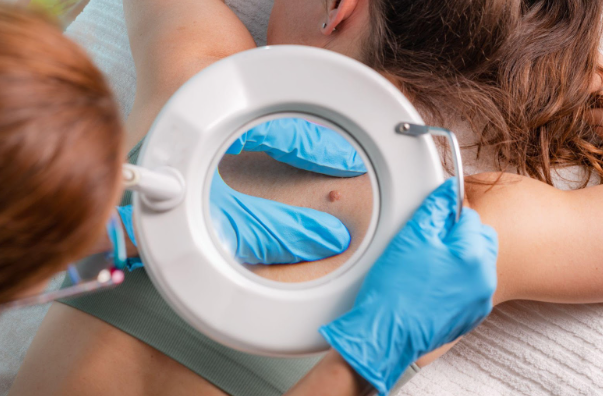
Skin cancer represents a major global health issue, with millions affected every year. Individuals must understand the various types of skin cancers, their risk factors, symptoms, and the importance of early detection and prevention. Technologies in dermatological screening are improving, increasing the odds of early and accurate detection, while advocacy and education play vital roles in raising awareness. Mark Siefring explains how preventive measures, including sunscreen, protective clothing, and regular skin examinations, are simple yet effective strategies that can significantly reduce the risk of developing skin cancer.
Understanding Skin Cancer
Skin cancer, encompassing multiple types stands as one of the most common forms of cancer globally. The disease originates from the uncontrolled growth of abnormal skin cells, often triggered by DNA damage, typically from ultraviolet (UV) radiation exposure. Recent data suggest a rising rate, emphasizing the need for public awareness and preventive measures.
The statistics of skin cancer highlight a vital public health concern, with millions of cases diagnosed yearly, leading to a substantial burden on healthcare systems. Awareness campaigns and educational programs remain pivotal in informing the public about the risks and urging them to seek early treatment. As awareness grows, the potential for reducing the impact of this disease increases, making information sharing a powerful tool in the fight against skin cancer.
The Importance of Early Detection
Early skin cancer detection significantly enhances treatment options’ effectiveness and improves patient outcomes. Detecting skin cancer in its developing stages often means that treatments can be less invasive, and the chance of a complete recovery is much higher. This is particularly true for melanoma, where early detection has a profound impact on survival rates; patients diagnosed at an early stage have a five-year survival rate of about 99 percent compared to 25 percent for those with advanced stages.
Delays in diagnosis can lead to more complex treatments and diminished prospects for recovery. This highlights the importance of regular skin examinations and public health initiatives encouraging early medical consultations. The medical community constantly stresses the value of immediate attention to skin changes, advocating for annual skin checks, especially for individuals with high-risk factors.
Risk Factors and Symptoms
Understanding the risk factors and recognizing the symptoms of skin cancer are crucial steps in achieving early detection. Individuals with a family history of skin cancer, or those who have had extensive exposure to ultraviolet light through sunbathing or indoor tanning are at heightened risk. Moreover, those residing in sunny climates or at higher altitudes face increased chances of exposure to harmful UV rays, which can accelerate the onset of skin diseases.
The symptoms of skin cancer vary depending on the type but commonly include new growths or sores that do not heal, irregularities in existing moles, or any skin changes that persist over time. The ABCDE rule aids in spotting melanoma: Asymmetry, Border irregularity, Color that is not uniform, Diameter greater than 6 mm, and Evolving size, shape, or color. Recognizing these signs can lead to earlier diagnosis and treatment, significantly improving the prognosis for those affected. Through education and regular self-examinations, individuals can play an active role in their health management, potentially saving lives through early detection and treatment.
Prevention and Self-Care
Preventive measures against skin cancer are straightforward yet vital. Regularly using a broad-spectrum sunscreen, wearing protective clothing, and avoiding peak sun exposure reduces the risk of skin cancer. Educating people about the importance of sunscreen, even on cloudy days and during winter months, can significantly reduce the risk of UV damage accumulating over time.
In addition to external precautions, self-examination plays a critical role in early detection. By regularly checking their skin for any new marks or changes, individuals can notice early signs of potential skin cancer.
Advancements in Screening and Advocacy
Technological advancements in dermatological screening have revolutionized the early detection of skin cancer. New diagnostic tools, such as high-resolution imaging and genetic testing, provide more accurate assessments. These advancements support the medical community’s ability to detect skin cancer at its most treatable stages.
The role of advocacy in promoting skin health cannot be overstated. Organizations dedicated to cancer prevention play a crucial role in educating the public, advocating for policy changes, and supporting research into new treatments and technologies. Their efforts ensure that the public and policymakers know the critical importance of funding and supporting skin cancer research and prevention programs.