
Community
MRCD Radar: The Game-Changing Technology Disrupting Speed Enforcement
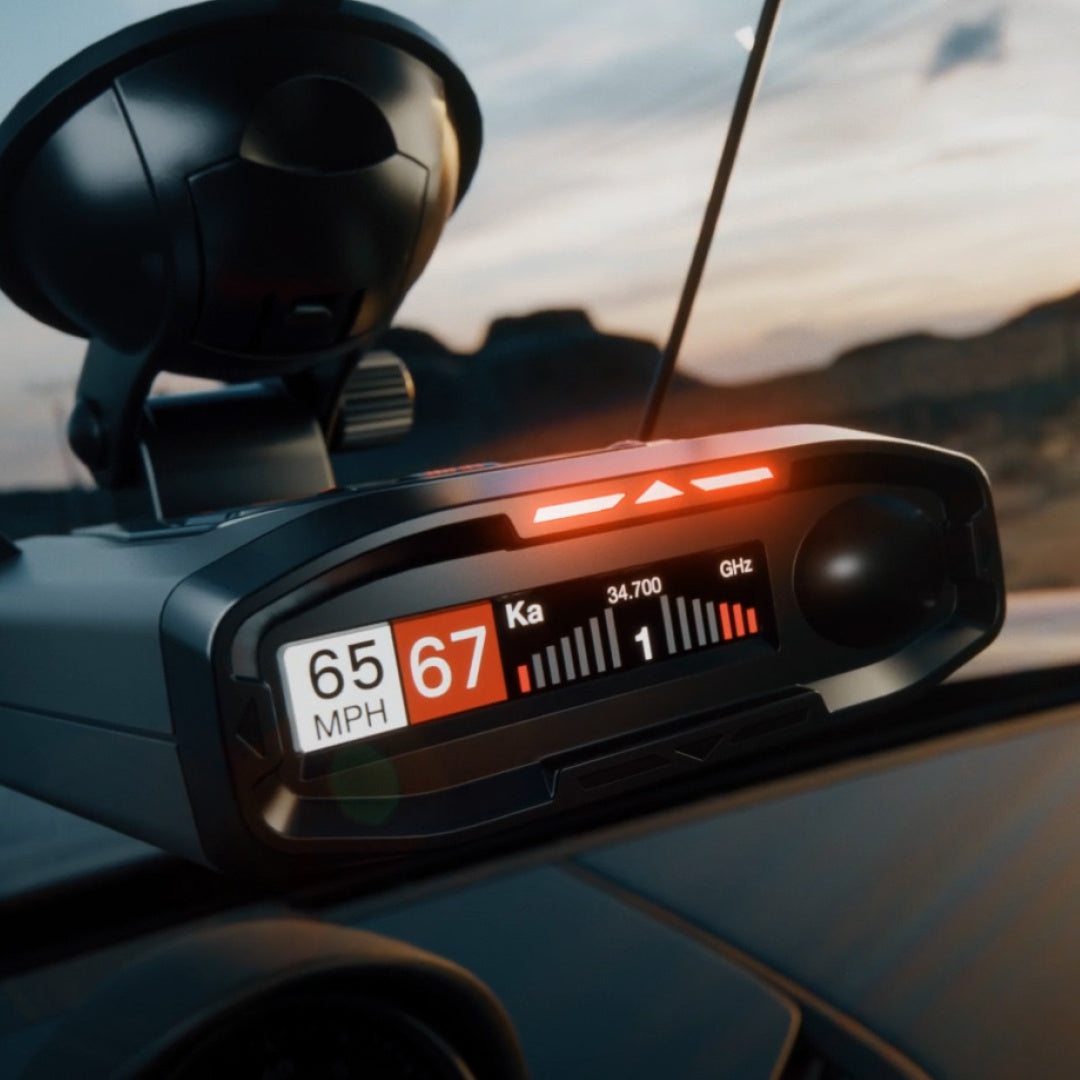
As a driver, staying ahead of the latest advancements in speed enforcement technology is crucial. One such development that has been making waves in recent years is MRCD, or MultaRadar CD. This innovative radar system is changing the landscape of how law enforcement detects and measures vehicle speeds.
In this article, we’ll dive into what MRCD is, how it works, and why it matters for drivers looking to avoid costly speeding tickets.
What is MRCD?
MRCD stands for MultaRadar CD, a state-of-the-art technology used in modern speed enforcement. Unlike traditional police radar that operates on fixed frequencies, MRCD utilizes frequency modulated continuous wave (FMCW) radar. This allows it to measure both the speed and distance of vehicles with high precision.
MRCD operates in the 24 GHz K-band, but it rapidly switches between multiple frequencies, making it challenging for conventional radar detectors to pick up. This low-powered, frequency-hopping nature is what sets MRCD apart from other forms of police radar.
How Does MRCD Work?
MultaRadar CD units emit a low-power, frequency modulated K-band signal in quick bursts. By rapidly changing frequencies, MRCD makes it difficult for radar detectors to identify and alert drivers. The technology is also highly effective at measuring speeds across multiple lanes and from greater distances compared to traditional radar guns.
When an MRCD unit detects a speeding vehicle, it captures a high-resolution image of the car, including the license plate. This evidence is then used to issue speeding tickets to offenders.
The Importance of MRCD Detection
So, you may be wondering, what does mrcd mean on a radar detector? Put simply, it indicates that your device is capable of identifying this new form of speed enforcement technology. As MRCD becomes more widely adopted by law enforcement agencies, having a radar detector that can spot these threats is essential.
Without MRCD detection, drivers are left vulnerable to a growing number of speed traps that their detectors cannot pick up. Investing in a modern, high-quality radar detector with MRCD capabilities is crucial for staying protected on the road.
| Traditional Radar | MRCD |
| Fixed frequency | Frequency modulated |
| High power output | Low power output |
| Detectable by most radar detectors | Requires specialized detection |
| Measures speed only | Measures speed and distance |
Choosing an MRCD-Capable Radar Detector
When shopping for a radar detector, prioritize models that offer advanced MRCD detection. Look for features like:
- K-band frequency scanning
- Low-power signal sensitivity
- Updatable firmware to stay current with the latest threats
- GPS functionality to mark and remember speed trap locations
High-end detectors from reputable brands like Escort, Valentine One, and Radenso often include these capabilities, providing drivers with the best possible protection against cutting-edge speed enforcement technology like MRCD.
Conclusion
In the ever-evolving world of speed enforcement, MRCD represents a significant leap forward. As law enforcement agencies continue to adopt this technology, drivers must adapt by equipping themselves with radar detectors capable of identifying these new threats. By understanding what MRCD is, how it works, and the importance of detecting it, drivers can make informed decisions when choosing a radar detector to keep themselves protected on the road.
Stay vigilant, invest in cutting-edge technology, and drive with confidence knowing that you’re prepared for whatever speed traps lie ahead.