
Community
Navigating the Process of Obtaining Pay Stubs from a Previous Employer
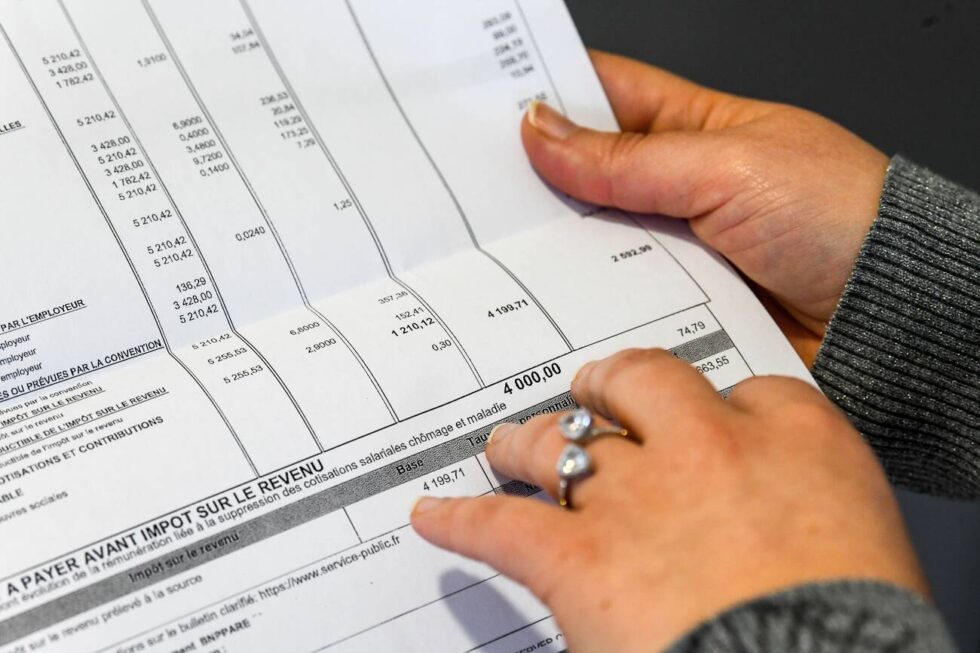
As an employee, there may come a time when you need to obtain pay stubs from a previous employer. Whether you’re applying for a loan, renting an apartment, or simply need the information for your personal records, having access to these documents is crucial.
However, the process of getting pay stubs from a former employer can sometimes be challenging, especially if a significant amount of time has passed since your employment ended. In this article, we’ll explore some CheckStubMaker tips on getting pay stubs from previous employer.
Why You Might Need Pay Stubs from a Previous Employer
There are several reasons why you may find yourself in need of pay stubs from a previous employer:
- Proof of Income: When applying for a loan, mortgage, or rental agreement, you may be required to provide proof of your income. Pay stubs from your previous employer can serve as an official record of your earnings during your time with the company.
- Tax Purposes: If you’re preparing your tax returns and need to verify your income and deductions from a previous job, having access to your pay stubs can make the process much easier.
- Personal Record-Keeping: Maintaining a comprehensive record of your employment and earnings history is always a good idea. Having copies of your pay stubs from previous employers can help you keep track of your career progression and financial growth over time.
Steps to Obtain Pay Stubs from a Previous Employer
- Contact Your Former Employer: The first step in obtaining pay stubs from a previous employer is to reach out to them directly. Start by contacting the human resources department or the individual responsible for payroll. Explain your situation and the reason you need the pay stubs, and be prepared to provide identifying information such as your full name, social security number, and dates of employment.
- Check Your Records: Before reaching out to your former employer, take some time to check your own records. You may have copies of your pay stubs stored away in a file or email archive. If you had access to an online employee portal during your time with the company, there’s a chance you may still be able to log in and retrieve your pay stubs electronically.
- Be Patient and Persistent: Depending on the size of the company and the length of time that has passed since your employment, it may take some time for your former employer to locate and provide your pay stubs. Be patient, but also be persistent in following up if you don’t receive a response within a reasonable timeframe.
- Explore Alternative Options: If your former employer is unable or unwilling to provide your pay stubs, there are a few alternative options to consider. You may be able to obtain the information you need from your bank statements or tax returns from the relevant years. Additionally, some states have laws that require employers to provide access to payroll records upon request, so it’s worth researching the specific regulations in your area.
Tips for Streamlining the Process
- Keep Accurate Records: To avoid the hassle of tracking down pay stubs from previous employers in the future, make it a habit to keep accurate records of your own. Whenever you receive a pay stub, take a few moments to save a digital copy or file away a physical copy in a safe place. This will ensure that you always have access to the information when you need it.
- Utilize Online Tools: If you’re having trouble obtaining pay stubs from a previous employer, consider using an online pay stub generator like CheckStubMaker. While these tools can’t replace official pay stubs from your employer, they can help you create professional-looking documents based on the information you provide. This can be particularly useful if you need to provide proof of income quickly and your former employer is unresponsive.
- Know Your Rights: Familiarize yourself with the laws and regulations surrounding payroll records and employee access in your state. Understanding your rights can help you navigate the process of obtaining pay stubs more effectively and ensure that you’re able to get the information you need.
Conclusion
Obtaining pay stubs from a previous employer can sometimes be a challenging and time-consuming process, but it’s an important step in maintaining accurate records of your employment and earnings history. By following the tips outlined in this article, you can streamline the process and increase your chances of success.
Remember to start by contacting your former employer directly, check your own records, and be patient but persistent in your efforts. If all else fails, explore alternative options and consider using online tools like CheckStubMaker to create professional-looking documents based on the information you have available. With a little bit of effort and perseverance, you should be able to obtain the pay stubs you need to move forward with your financial goals and personal record-keeping.