
Community
Nursing Homes Face a Hydration Crisis: Bridging the Gap with Innovative Solutions
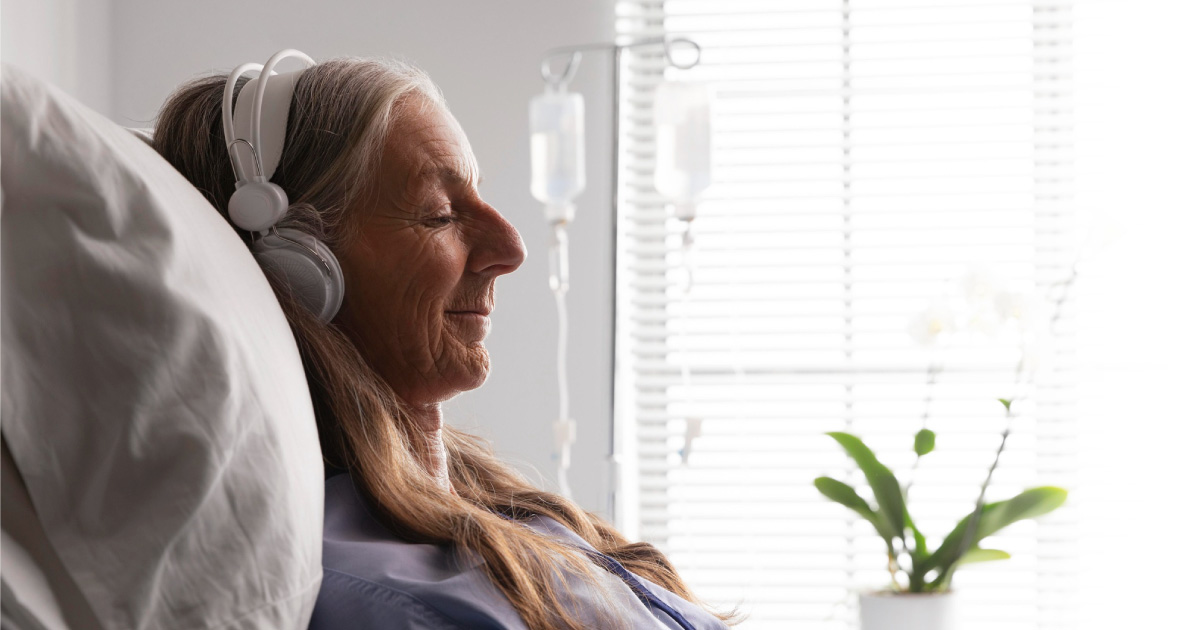
Nursing homes are grappling with a significant hydration problem, commonly referred to as the hydration gap. This gap highlights the disparity between adequate hydration and the reality faced by many nursing home residents. Studies reveal that 50% to 90% of nursing home patients are at risk for dehydration. This risk often stems from an inability to maintain proper hydration through oral water intake alone, leading to severe health complications and an increased risk of early death.
Facing the Hydration Gap
The hydration gap mostly affects patients with weight loss, malnutrition risks, wounds, and infections. It is essential to understand that water intake differs from hydration. While water intake involves consuming water, hydration refers to the process of water being absorbed into cells, which requires electrolytes such as vitamins and minerals. Many elderly patients cannot obtain these essential nutrients from their diet and water alone, often necessitating acute care and hospital stays. Alarmingly, patients admitted to hospitals from nursing homes are ten times more likely to be dehydrated than those coming from their own homes. Even a 5% reduction in water intake can trigger dehydration, initiating a detrimental cascade of health issues.
The intracellular fluid shift occurs when the body moves water out of vital organs to balance extracellular fluid, impacting the brain and leading to worsened mood, fatigue, and reduced cognitive ability. Severely dehydrated patients tend to withdraw and participate less in personal care, resulting in poorer health outcomes and an increased need for reactive interventions. Dehydration significantly increases the risk of falls, prolongs surgical recovery, and leads to longer hospital stays and higher mortality rates. Certain medications and blood conditions, such as elevated hemoglobin, low potassium, and high sodium levels, exacerbate dehydration.
The Promise of Hydration Therapy
Hydration therapy offers a promising solution to the hydration gap with science-backed treatments developed by experienced clinicians. Their approach involves micronutrient supplementation delivered intravenously to provide the body with essential nutrients, rebalancing intracellular fluid, resetting the baseline for sustained oral hydration, and improving cognitive function. These treatments are not medications, but nutritional infusions designed to support comprehensive care plans.
Addressing the hydration gap in nursing homes requires a holistic approach. By implementing innovative treatments like those offered by IV hydration therapy, nursing homes can significantly improve patient outcomes and quality of life. This proactive approach ensures that every resident receives adequate hydration, ultimately enhancing their health and well-being.
Conclusion
By recognizing and addressing the hydration crisis, a safer, healthier environment can be made for the elderly population. Ensuring proper hydration through targeted interventions will lead to better health outcomes and improved quality of life for nursing home residents.