
Community
Single Stream Recycling Pros and Cons
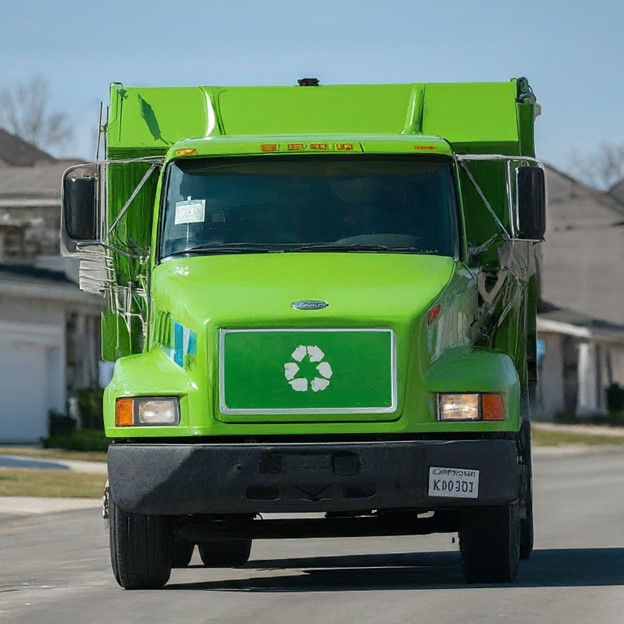
Single-stream recycling is a new method of waste management that has transformed the recycling process for many cities and communities. Through the adoption of this method you can put everything in a single recyclable bin. This procedure makes recycling easier for both households and businesses.
Nevertheless, like other recycling systems, single-stream recycling has its advantages and disadvantages too. When it comes to renting a dumpster for single stream recycling, the waste management and recycling industry has some rules that must be followed to ensure well organized recycling.
Now let’s talk about the pros and cons of single stream recycling and why hiring dumpster rental in San Diego is extremely essential for this task.
First, What Is Single-Stream Recycling?
This technology was introduced in the mid-90s. Single-stream recycling technology is a process that allows consumers to simply throw all recyclables to a single bin without any sorting. Everything recyclable is disposed of in the same bin and collected mixed in the same truck. The garbage will subsequently proceed to a Materials Recovery Facility (MRF). This technique is also called mixed or single-sort recycling or commingled .
There are two main reasons single-stream recycling has become so popular.
- Its convenience is one of the reasons to encourage more people to recycle.
- It lowers the waste collection costs for curbside waste disposal companies.
How Does The Single-Stream Recycling Process Work?
Before materials arrive at an MRF floor, curbside bins with recyclables are filled and collected by trucks. A place is set aside, where machines and workers sort all the materials and put them in piles. Sorting approaches can be different from one place to another, but conveyor belts, screens, forced air, magnets and scanners are basic technologies to sort and separate them.

The Commingled Recycling Sorting Process
- Materials are unloaded from trucks and placed onto a conveyor belt, where employees remove all non-recyclable items manually.
- Recyclable items are then carried onto a series of deck screens. Here, items which are heavier are pushed through to the bottom screens, leaving paper, cardboard and lighter materials on the top side.
- The use of a magnet sends heavy objects to retreat for the separation of metal things of all sorts, canned foods or tins.
- Employees at the recovery center go over the process of putting the items on the right pathway and in the right category.
- Workers classify everything on the lightest screens of classifiers into distinct bins for paper, cardboard and newsprint.
- The waste is then sorted into designated bins or dumpster rental and transported to a recycling plant where it is converted into fresh material.
What Items Are Accepted in Single-Stream Recycling Programs?
There may be restrictions in some areas, most programs accept the following items.
- Cardboard
- Plastic bottles
- Glass jars and containers
- Cans
- Clean aluminum foil
- Paper bags
- Newspaper, catalogs and Magazines
- Steel cans
- Paper
- Paperboard
- Empty prescription drug bottles
It’s advisable to contact your city’s Public Works department or recycling company for more information about materials that can be recycled in your area.
Pros and cons of single stream recycling
The advantages and disadvantages of single-stream recycling are quite clear. However, governments previously implemented single-streams in exporting low-quality materials and now they find that they are less useful than they were.
Pros |
Cons |
| Easy for consumers to use recycling programs. | Increase of contamination at recyclable facilities recovery plants. |
| Boosts diversion and recycling rates. | Manual sorting and special equipment used at MRFs. |
| Effective collection as trucks receive all kinds of materials. | A poor quality of recycled materials due to mixed collection is the case. |
| With the help of technology, enable MRFs to process more materials in less time. | Hard for the recycling plants to handle items like shattered glass or unwashed bottles. |
| Decreased garbage collection costs. | Sorting commingled materials will be more expensive. |
How Efficient Is Single-Sort Recycling?
Although it seems handy for consumers to throw everything in one bin, the sorting process of single stream recycling is not perfect. Contamination is a recurring safety roadblock, as machines and staff in recovery facilities can make mistakes. The final outcome is unfortunately a poor quality recycled material, or in the worst cases, the contaminated batch is dumped.

Dumpster rental for single-stream recycling: what to keep in mind.
When renting a dumpster rental in San Diego for single-stream recycling, consider these key factors for efficiency.
- Type of Waste: Make sure the dumpster can handle all types of waste you generate.
- Local Regulations: Comply with disposal regulations to avoid any fine and penalty.
- Size: Pick a suitable dumpster size that will take all the recyclables.
- Cost: Ensure that prices, rates, and payment options are all budget-friendly.
- Recycling Facilities: For better recycling rates choose providers which have access to a number of facilities.
- Space: Evaluate the space for dumpster positioning to make the process more efficient.
- Time: Take into account the setup time requirements as well as consider on-site sorting or outsource sorting to save time and avoid delays.
What is the typical size of the dumpster utilized for single stream recycling?
The dumpster size used in a single-stream recycling program may vary depending on the size of the program and the volume of recyclables generated. Nonetheless, the standard recycling project dumpsters are 10-yard, 15-yard, 20-yard, 30-yard, and 40-yard dumpsters. These dumpsters are designed to hold different amounts of recyclables, like 4,000 to 12,000 pounds, and are similar to different numbers of pickup truck loads and trash bags. To choose a dumpster size for single-stream recycling the quantity of the generated recyclables and specific needs of the recycling program should be taken into account.
How much does it cost to rent a dumpster?
The price of renting a dumpster in San Diego for single-stream recycling varies depending on factors such as place, dumpster size, waste type, weight of waste, and rental term. The average cost can vary from $217 to $1,040 on average. The size of the dumpster, the type of waste that is going to be disposed of, and the rental period all have an impact on the cost that needs to be paid for renting a dumpster for single-stream recycling.
Wrap Up
Single-stream recycling is a convenient and cost-effective solution which makes it an attractive option for many cities. But it also has some drawbacks. Nevertheless, the drawbacks of the system can be mitigated when good dumpster rental is carried out alongside strict adherence to recycling codes. By analyzing the waste type, local rules and regulations, dumpster size, and recycling facilities communities can boost their recycling efforts and progress towards a greener future.
If you are looking to rent a dumpster contact dumpster4rental. They provide high quality dumpsters in different sizes. Call Now (949) 519 4588!