
Community
Spotting Red Flags: Signs It’s Time for a Medicare Plan Review
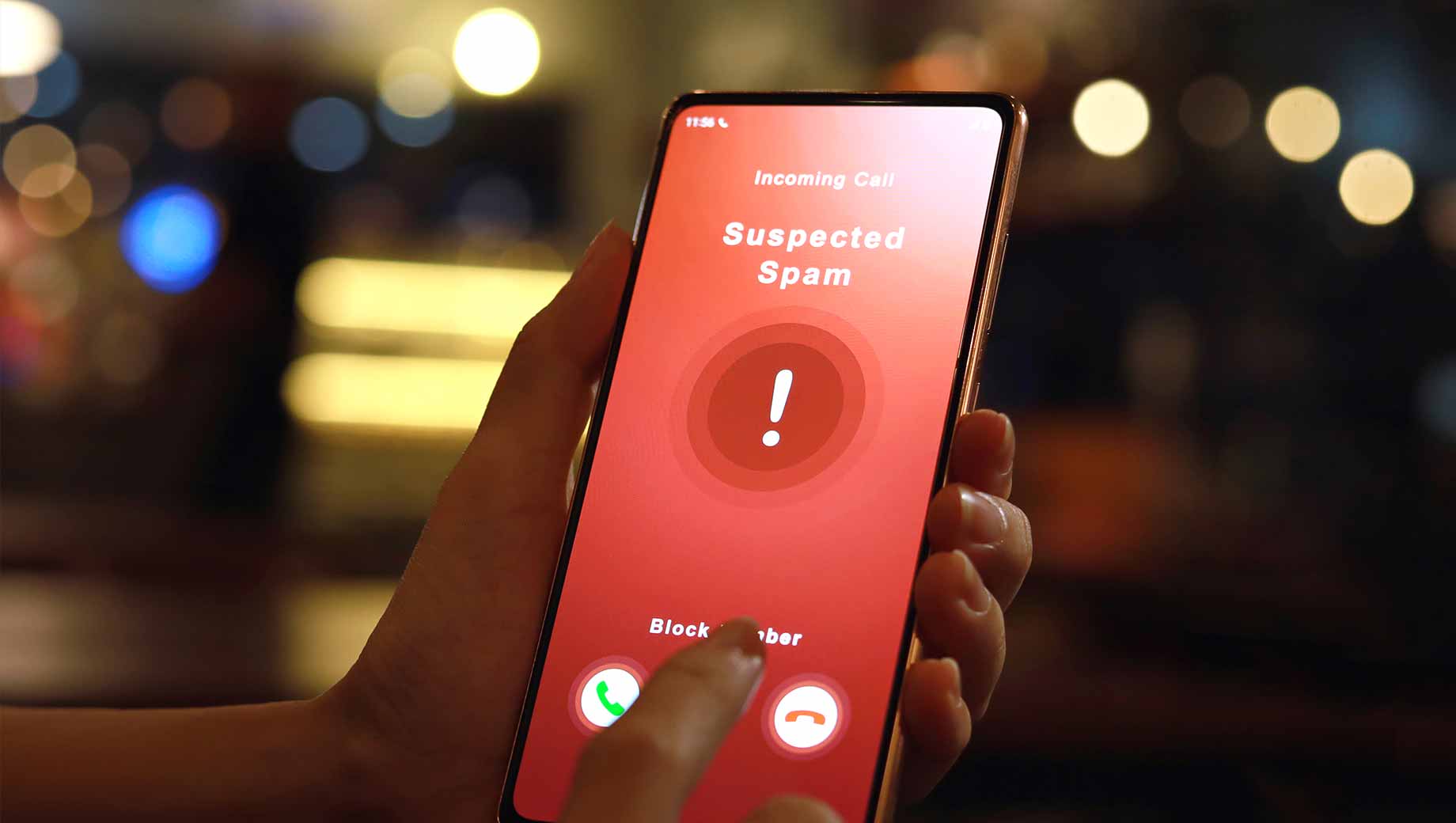
In the complicated world of healthcare, scams and theft can be very dangerous, especially for people who get Medicare.
To protect yourself and keep the Medicare system transparent, it’s important to know how to recognize the red flags. This guide tells you exactly what red flags to look out for.
Recognizing Medicare Fraud: Red Flags
Health insurance and Medicare frauds are fairly common. People who are trying to scam you are always looking for new ways to get your money and personal information, but they often use old tricks. These are the most common telltale signals that a health insurance fraud is underway:
Unexpected Calls or Visits: Be wary of anybody posing as a Medicare agent who contacts you by unwanted phone calls or house visits. Reputable Medicare personnel won’t get in touch with you unless you ask them to.
Requests for Personal Information: Medicare will never ask for your Social Security number, bank account information, or Medicare number over the phone. Never provide personal information to callers or people you don’t know.
Pressure to Make Decisions: Scammers might make you feel like you are under pressure to quickly decide on your Medicare coverage. However, the best thing to do before making any judgments is to take your time to double-check the facts and speak with your Medicare representative, or someone you trust.
Unrequested Emails or Messages: When you get unexpected emails or messages stating they are from Medicare, and they ask you to share personal information or click on links – DON’T. They are most likely frauds. Don’t respond to emails that seem sketchy, to help keep your personal information safe.
Offers of Unsolicited Services: Scammers could often offer services, supplies, or other medical procedures that you do not need. Those are often not eligible for Medicare coverage. Get in touch with Medicare directly or speak with your healthcare professionals to check each service you’ve been offered. Moreover, avoid non-required offers and make sure they meet your healthcare requirements.
Impersonating Government: Scammers could pretend to be from the government and ask for money or personal data. People don’t get calls from government agencies asking for money or private information out of the blue. The government will not contact you to request that you send money, use a gift card, or pay with Bitcoin. Nor will they seek to see proof of your Social Security, bank account, or credit card number.
New Card Charge: Scammers threaten to cancel your Medicare coverage unless you pay a charge to get a new card. This is a clear red flag, as card replacements are free. Furthermore, Medicare will never reach out to you tell you that your coverage is expiring.
If you experience any of the above-mentioned scams or potential frauds, it is time for a Medicare plan review.
Recognizing Red Flags of Healthcare Provider Fraud
Healthcare practitioners can also engage in fraudulent activities. Keep an eye out for any possible warning signals to protect yourself:
Billing for Unnecessary Services
If your healthcare professional persists in ordering needless tests or treatments, or if you get invoices for services that you did not obtain, reach out to Medicare to let them know.
Double Billing
Keep an eye out for repeated charges on your accounts. Certain providers may try to charge Medicare for the same treatment more than once.
Requests for Upfront Payment
Medicare-eligible providers are not permitted to demand payment in advance for services rendered. Any such demands should be viewed with suspicion.
Offers of Unsolicited Services or Equipment
Exercise caution if medical professionals approach you with offers of services, equipment, or treatments that Medicare will not cover. Check with Medicare immediately to confirm the authenticity of any services provided. Make sure the therapy you receive aligns with your actual requirements. Moreover, watch out for doctors who try to upsell you on needless services.
Refusal to Provide Information
It’s a red flag if medical staff hides or refuses to share information about their diagnosis, treatment plans, or the services they provide. Reputable medical professionals are open and honest about the services they provide. If a provider is reluctant to offer important information, use this as a warning sign and ask questions.
Typical Frauds Aimed Against Medicare Providers
Healthcare professionals should be aware that scammers may target them. Being on the lookout for potentially fraudulent actions, such as identity theft and bogus claims, is important. Scammers may go as far as to target medical providers, to try to get personal information for identity theft or fraudulent billing.
To protect sensitive data, providers should put strong cybersecurity protections in place as a preventative step. When practitioners file claims for reimbursement from Medicare, they need to be cautious, to prevent legal issues.
Guard Your Insurance Against Fraud
Everyone has to guard against Medicare fraud. Please do not hesitate to contact our representatives if you have concerns or questions. Get in touch with your neighborhood agent right now to find out more about how our organization can protect the integrity and safety of your Medicare coverage by guiding you through any fraud.
Conclusion
Medicare users need to know what to look for when talking to someone presenting as a Medicare professional. In an age where 15% of the population gets scammed, we should strive towards not being in that percentage.
If you do, however, notice something that is out of the ordinary, get in touch with your Medicare representative immediately.