
Breaking News
Supporting Local Food Kitchens: Jerald Lee Hill’s Commitment to Giving Back
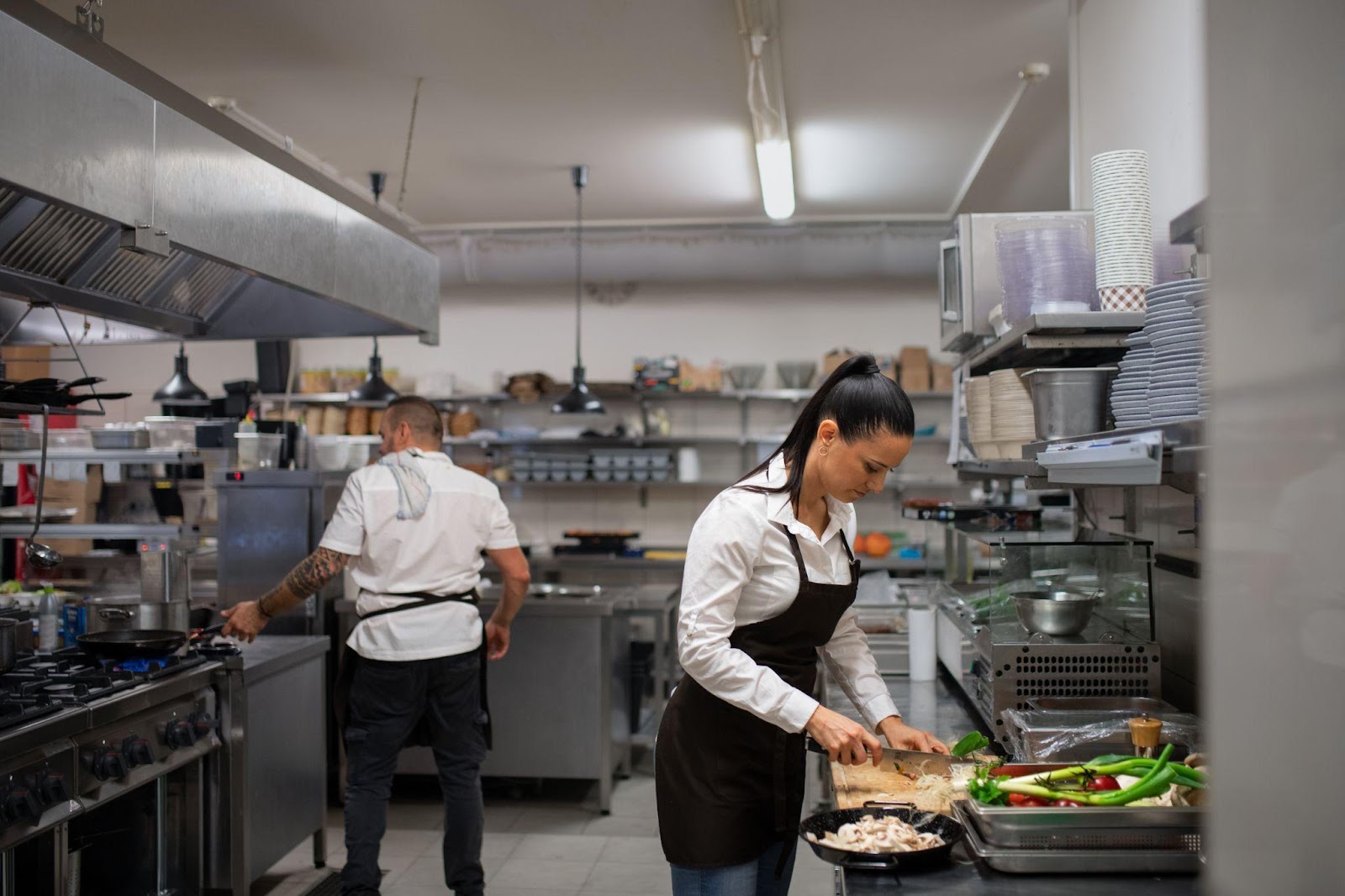
Local food kitchens play a pivotal role in addressing hunger and fostering community spirit. These initiatives not only provide immediate relief to those in need but also work towards sustainable community growth by supporting local economies and promoting social cohesion. As Jerald Lee Hill examines the complexities and triumphs of local food kitchens, it becomes evident that they are more than just food distribution centers; they are vital parts of their communities that offer hope and practical solutions to pressing issues.
Understanding Local Food Kitchens
Local food kitchens are crucial hubs within communities, dedicated to feeding those in need while strengthening social bonds. These establishments typically spring up in areas where economic disparities and food scarcity significantly impact daily life. Originating from grassroots efforts, local food kitchens have grown significantly over the years, adapting to meet higher demands and changing community needs.
The importance of these kitchens extends beyond mere food distribution. They are pivotal in improving community welfare, acting as a safety net for the vulnerable, and providing a space where locals can unite for a common cause. Moreover, by sourcing locally, these kitchens stimulate the local economy, ensuring money spent helps sustain regional farmers and small businesses.
As these initiatives gain visibility, they not only address immediate nutritional needs but also promote environmental sustainability. By reducing dependency on long supply chains and minimizing food waste, local food kitchens contribute to a greener and more sustainable community model.
Challenges in Local Food Initiatives
Local food kitchens face a myriad of challenges that can hinder their operations and long-term viability. Funding shortages often top the list, as these initiatives rely heavily on donations and grants, which can fluctuate with economic conditions and donor priorities. Additionally, the challenge of maintaining a steady supply of resources, from food items to kitchen equipment, can jeopardize their ability to serve consistently.
Despite these hurdles, the conversation around sustainability and scalability is growing louder. Local food kitchens must navigate the delicate balance of expanding their services to meet increasing demands while maintaining the quality and personal touch that make them so vital to their communities. Addressing these issues often requires innovative approaches, such as forming partnerships with local businesses or leveraging technology to streamline operations and increase outreach.
Ways to Support Local Food Kitchens
Supporting local food kitchens can take many forms, each vital to the initiative’s success. Financial donations are always welcome, as they provide the flexibility to allocate funds where they are most needed, from buying fresh produce to covering operational costs. Donating food supplies is another direct way to contribute, especially when these donations are aligned with the kitchens’ current needs.
Volunteering is another approach, offering a hands-on way to get involved. Whether it’s cooking meals, serving guests, or providing administrative support, volunteers are the backbone of many local food kitchens. Beyond these direct actions, raising awareness and advocating for these causes can further amplify their effectiveness. Promoting local food kitchens through social media, community events, and word-of-mouth can attract more volunteers and donors, creating a more extensive support network that bolsters these essential community resources.
Successful Examples
Across the globe, several food kitchens have set benchmarks for success and sustainability. In urban centers and rural towns alike, these demonstrate how community-based approaches can effectively address food insecurity. One notable kitchen in a mid-sized city has doubled its service capacity by partnering with local farms and culinary schools, creating a symbiotic relationship that benefits all parties involved.
Future Prospects and Innovations
Looking ahead, the future of local food kitchens is poised to evolve alongside technological and community-driven advancements. Emerging software platforms can streamline operations by managing inventory more efficiently, predicting demand spikes, and coordinating volunteer efforts seamlessly. Additionally, as sustainable development in real estate becomes a priority, there is a growing focus on incorporating food kitchens into community planning, ensuring they are not only accessible but also integral to the social fabric of neighborhoods. These innovations, combined with an increased recognition of the value of local food initiatives, promise to enhance the reach and impact of food kitchens, allowing them to serve more people with greater efficiency and sustainability.
Engaging the Community
Engagement with the community is crucial for the sustained success of local kitchens. By taking active steps to involve residents, these initiatives can foster a sense of ownership and pride among those they serve. Organizing community events, such as cook-offs or food drives, can be particularly effective in drawing public interest and participation. Additionally, providing clear and accessible information on how individuals can contribute, whether through donations, volunteering, or advocacy, ensures ongoing support and helps build a resilient support network.
Image Source: Envato