
Community
THCA Flower Types: Indica, Sativa, and Hybrid Strains
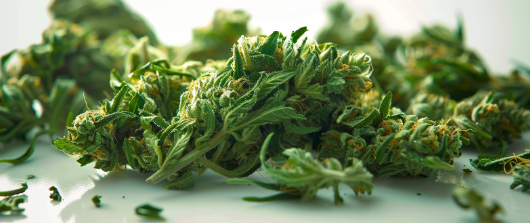
Exploring the world of THCA flower types reveals a spectrum of choices that cater to various preferences and therapeutic needs. Indica, sativa, and hybrid strains each offer unique characteristics in terms of effects, flavors, and aromas.
Understanding the differences between these types can help consumers make informed decisions based on desired outcomes, whether it’s relaxation, focus, or a balanced experience. This article looks into the distinctions between THCA flower strains, highlighting their diverse profiles and potential benefits.
What Are the Different Types of THCA Flower?
THCA flowers come in various types, primarily categorized into these strains:
- Sativa
- Indica
- Hybrid
Each strain offers distinct chemical compounds and cannabinoids that may influence health, potency, and concentration.
Sativa-Dominant THCA Flower
Sativa-dominant THCA flower is known for its uplifting effects, often enhancing mood, energy, and creativity, making it a popular choice for daytime use.
This variety is preferred by many for its ability to boost focus, motivation, and productivity, making it a great option for individuals looking to stay active and engaged during the day.
With a high concentration of tetrahydrocannabinolic acid (THCA), Sativa-dominant flowers offer a cerebral high that can inspire artistic endeavors and encourage a more positive outlook.
Due to its energizing effects, it is advisable to consume Sativa-dominant THCA flower during the morning or early afternoon, allowing users to benefit from the enhanced creativity and mood lift while still being able to wind down in the evening.
Indica-Dominant THCA Flower
The Indica-dominant THCA flower is prized for its relaxing properties, often aiding in sleep and making it ideal for nighttime use. It is known for its calming effects on both the body and mind, offering a deep sense of relaxation that can help alleviate stress and fear before bedtime.
The THCA compound in Indica-dominant flowers is particularly effective in reducing irritation and soothing muscular discomfort, which can be especially beneficial for individuals dealing with chronic discomfort conditions. Its high cannabinoid content, including THC and terpenes, contributes to its sedative qualities, promoting a restful night’s sleep.
Hybrid THCA Flower
Hybrid THCA flower offers a balanced mix of effects, combining traits from both Sativa and Indica strains to provide a customized experience for various needs.
One of the unique attributes of Hybrid THCA flower is its ability to offer a harmonious blend of cerebral invigoration and physical relaxation, making it suitable for users seeking a well-rounded experience. With its versatile nature, this type of flower can be ideal for any time of day, whether you need a boost of creativity or a calming effect to unwind after a long day.
The cannabinoid profile of Hybrid THCA flower typically consists of a balanced ratio of THC and CBD, providing therapeutic benefits without the overwhelming psychoactive effects. This equilibrium allows for a gentle elevation of the mind and body without causing sedation.
Chemical Composition of THCA Flowers
Indacloud THCA flowers encompass a diverse chemical composition that underpins their therapeutic and recreational effects. As the precursor to THC, THCA is non-intoxicating until decarboxylated through heat, removing the carboxylic acid group in the chemical compound and converting it to THC.
THCA flowers typically contain high concentrations of THCA alongside other cannabinoids like CBD (cannabidiol) and minor cannabinoids such as CBG (cannabigerol) and CBN (cannabinol). These compounds work synergistically within the endocannabinoid system, influencing various physiological processes through the entourage effect.
THCA flowers also feature aromatic terpenes, responsible for their distinctive flavors and potential therapy benefits. The combination of cannabinoids and terpenes in THCA flowers contributes to their unique effects, ranging from calming and analgesic to energizing and uplifting, depending on the specific strain’s chemical profile and individual user response.
Qualities of Good THCA Flowers
In terms of selecting THCA flowers, certain qualities signify superior quality and ensure a satisfying experience for consumers. Here are the key qualities to look for:
Appearance
Good quality THCA flowers exhibit vibrant colors such as deep greens, purples, or even shades of orange, indicative of healthy and well-cultivated plants. These buds are typically dense, with a satisfying weight to them, and are expertly trimmed to remove excess leaves and stems.
This meticulous trimming enhances the aesthetic appeal and ensures that the focus remains on the flower’s potency and quality.
Aroma
The aroma of high-quality THCA flowers is a testament to their terpene profile, offering a rich and complex fragrance that tantalizes the senses. Each strain carries its own unique scent, ranging from earthy and herbal notes to fruity or floral undertones.
The aroma should be potent but not overpowering, inviting users to find the nuances of the strain’s terpene composition with each inhalation.
Texture
Upon handling, premium THCA flowers feel slightly sticky and resinous, indicating freshness and optimal curing. The buds should have a dense and firm texture, reflecting careful cultivation practices and proper handling throughout the harvesting and curing processes.
This texture not only contributes to a satisfying tactile experience but also ensures that the flower retains its potency and flavor when consumed.
Trichome Coverage
One of the hallmarks of top-quality THCA flowers is the abundant presence of trichomes, which are resin glands that appear as tiny crystals or frost-like structures on the surface of the buds. These trichomes contain cannabinoids and terpenes, contributing to both the potency and flavor profile of the flower.
A high concentration of trichomes indicates a well-developed strain with robust cannabinoid content and potential therapeutic benefits.
Taste
When consumed, high-quality THCA flowers deliver a smooth and flavorful experience that aligns with the strain’s terpene profile. The taste should be consistent with the aroma, offering a pleasant and enjoyable smoking or vaping experience.
Whether it’s earthy and woody flavors or citrusy and sweet notes, the taste of premium THCA flowers should leave a lingering, satisfying impression on the palate.
Here’s a list of flavors commonly associated with THCA flowers:
- Citrus: Lemon, orange, grapefruit
- Berry: Strawberry, blueberry, raspberry, cherry
- Tropical: Pineapple, mango, coconut
- Floral: Lavender, rose, chamomile
- Herbal: Basil, sage, thyme
- Earthy: Woody, musky, damp soil
- Spicy: Pepper, clove, cinnamon
- Sweet: Honey, vanilla, caramel, cake
- Nutty: Almond, hazelnut, walnut
- Minty: Peppermint, spearmint
Potency
The potency of THCA flowers is a crucial factor for consumers seeking reliable and effective cannabis products. Premium flowers boast high THCA content, reflecting their intended effects and therapeutic benefits.
Consistency in potency across different batches ensures that users can rely on the product to deliver the desired experience with each use.
Purity and Testing
Ensuring purity is paramount in the production of good THCA flowers. These flowers should be free from contaminants such as pesticides, molds, or heavy metals, which can compromise both safety and quality.
Rigorous lab testing guarantees that the flowers meet stringent safety standards, providing peace of mind to consumers and reinforcing the product’s integrity and reliability.
Effectiveness
Effective THCA flowers not only deliver on their promised effects but do so without adverse side effects. They provide a balanced experience that aligns with the strain’s characteristics, whether it’s promoting relaxation, enhancing focus, or alleviating symptoms of certain medical conditions.
This effectiveness stems from careful cultivation, precise harvesting techniques, and a commitment to maintaining the plant’s natural properties.
Storage and Packaging
Proper storage and thoughtful packaging are essential aspects of preserving the quality of THCA flowers. They should be stored in airtight containers that protect against exposure to light, air, and moisture, all of which can degrade cannabinoids and terpenes over time.
Informative packaging that includes details about the strain, cultivation methods, and lab test results further enhances transparency and consumer confidence in the product.
How to Choose the Right THCA Flowers for You
Choosing the right THCA flower involves considering various factors such as the strain type, THC and CBD levels, and the terpene profile to ensure it aligns with your health needs and desired experience.
Consider the Strain
When selecting a THCA flower, it is crucial to consider the strain, as Sativa, Indica, and Hybrid strains each offer different effects suited to various needs.
Understanding the characteristics and effects of each strain is essential in determining the desired outcome from consumption. Sativa strains are known for their energizing and invigorating effects, making them ideal for daytime use and boosting creativity.
On the other hand, Indica strains are often associated with relaxation, sedation, and relief from insomnia or stress, making them popular choices for evening consumption.
Hybrid strains combine the characteristics of both Sativa and Indica, offering a balanced experience that can cater to a wide range of preferences. Factors such as THC and CBD content also play a significant role in determining the overall effects of a strain, so it’s important to consider these aspects alongside the strain type when making a selection.
Check the THC and CBD Levels
Examining the THC and CBD levels in THCA flower is essential, as these cannabinoids determine the potency and specific health effects of the product.
THC (Tetrahydrocannabinol) is known for its psychoactive properties, providing that euphoric ‘high’ sensation, while CBD (Cannabidiol) offers a non-intoxicating, therapeutic component. The ratio of THC to CBD in THCA flower plays a significant role in its overall effects. For individuals seeking discomfort relief, a higher CBD content may be more beneficial, whereas those looking for a more psychoactive experience might prefer increased THC levels. It’s crucial to understand how these cannabinoids interact with your body to make an informed choice based on your unique health needs.
Look at the Terpene Profile
The terpene profile of THCA flower significantly influences its aroma, flavor, and overall effects, contributing to the entourage effect.
Terpenes play a crucial role in enhancing the overall therapeutic benefits of THCA flower. Each terpene has its unique characteristics that contribute to the entourage effect, creating a synergy with cannabinoids like THCA.
For example, myrcene can impart a musky flavor and potentially aid in sedation, while limonene offers a citrusy aroma and may have mood-enhancing properties. The diverse range of terpenes in THCA flower not only influences the sensory experience but also interacts with the body’s endocannabinoid system to amplify the potential health benefits.
How Terpenes Affect THCA Flower Quality
Terpenes play a crucial role in defining the overall quality of THCA flowers. These organic compounds are responsible for the distinct aromas and flavors of cannabis strains, but their impact goes beyond sensory pleasure.
Terpenes interact synergistically with cannabinoids like THCA, influencing the strain’s therapeutic effects and medicinal properties. The presence and composition of terpenes not only contribute to the flower’s aroma and taste but also enhance its potency and effectiveness.
Different combinations of terpenes can modify how THC affects the body and mind, offering a spectrum of experiences from relaxing and sedative to uplifting and energizing.
Popular and Common Terpenes Found in THCA flowers:
- Myrcene: Known for its earthy and musky aroma, myrcene is often found in indica strains and is associated with calming and relaxing effects. It may enhance the sedative properties of THC, making it popular for promoting sleep and relieving discomfort.
- Limonene: This citrusy terpene lends a refreshing aroma to THCA flowers and is found in strains with uplifting and mood-enhancing effects. Limonene is believed to help with stress relief and mood elevation.
- Pinene: As the name suggests, pinene has a pine-like aroma and is commonly found in both sativa and hybrid strains. It’s known for its potential to improve airflow, making it beneficial for respiratory conditions. Pinene may also enhance alertness and memory retention.
- Linalool: With a floral and lavender-like scent, linalool contributes to the calming and relaxing effects of THCA flowers. It is useful for managing stress and alleviating symptoms of certain medical conditions.
- Caryophyllene: This spicy and peppery terpene is unique because it acts as a cannabinoid by interacting with the body’s endocannabinoid system.
- Humulene: Known for its earthy and woody aroma, humulene is found in hops and cannabis.
- Terpinolene: With a fruity and floral aroma, terpinolene contributes to the complex profiles of certain THCA flowers. It has antioxidant properties and may have sedative effects in higher concentrations, offering potential benefits for relaxation and stress relief.
How to Consume THCA Flowers
There are various methods to consume THCA flower, including smoking, vaporizing, edibles, tinctures, and topicals, each offering unique experiences and benefits.
Smoking
Smoking THCA flower involves combustion, providing rapid effects and high potency due to the direct inhalation of cannabinoids.
When smoking THCA flower, the process entails igniting the dried cannabis buds and inhaling the resulting smoke, which quickly delivers the cannabinoids into the bloodstream, causing almost instant effects. This method is favored by many users seeking immediate relief from symptoms like discomfort, nausea, or stress.
The high potency of this method is attributed to the concentrated levels of THCA found in the raw cannabis plant. These increased levels can produce a more intense psychoactive experience compared to other consumption methods.
While the rapid onset of effects can be appealing, it is essential to consider the potential impact on lung health. The combustion of plant material, including THCA flower, releases harmful byproducts that can irritate the respiratory system.
Individuals with pre-existing respiratory conditions may want to find alternative consumption methods, such as vaporization or edibles, to minimize potential risks.
Vaporizing
Vaporizing THCA flower uses heat to release cannabinoids without combustion, offering a more efficient and healthier alternative to smoking.
When THCA flower is vaporized, the heat activates the essential compounds without reaching the point of combustion, preventing the release of harmful toxins and carcinogens found in smoke. This method preserves the purity of the cannabinoids, delivering a cleaner and smoother experience for the user.
By avoiding the inhalation of harmful byproducts of combustion, vaporizing THCA flower significantly reduces the potential risks associated with traditional smoking. This process not only provides a potent and flavorful experience but also allows users to enjoy the therapeutic benefits of cannabis in a safer manner.
Edibles
Consuming THCA flower through edibles involves cooking or baking it into food, resulting in potent effects with a delayed onset.
When you cook with THCA flower, it’s important to keep in mind that the process of decarboxylation is crucial to activate the compound and unlock its full potential. This involves heating the flower at a specific temperature over an extended period of time, allowing the THCA to convert into THC.
The delayed onset of effects from edibles is due to the digestion process, as the cannabinoids need to pass through the liver before entering the bloodstream.
Proper dosage is key in terms of edibles, as they can be more intense than other forms of consumption. It’s recommended to start with a low dose and wait at least an hour before consuming more to avoid overindulging.
Here are some common edibles you may find today:
- Brownies: Brownies infused with THCA flowers are a classic choice, offering a rich and decadent treat combined with the potential therapeutic benefits of cannabinoids.
- Cookies: Cookies infused with THCA flowers provide a delicious way to enjoy cannabis discreetly. They come in various flavors and can be easily portioned for personalized dosing.
- Gummies: Gummies infused with THCA flowers are a popular option due to their convenience and precise dosing. They come in assorted flavors and shapes, making them appealing to a wide range of users.
- Chocolates: Chocolates infused with THCA flowers offer a luxurious way to consume cannabis. They often come in various strengths and flavors, from dark chocolate to milk chocolate, catering to different preferences.
- Beverages: Beverages infused with THCA flowers, such as teas, coffees, or juices, provide a refreshing and alternative way to enjoy cannabinoids. They can be consumed hot or cold, depending on preference.
- Tinctures: Tinctures infused with THCA flowers are liquid extracts that can be taken sublingually (under the tongue). They offer a discreet and fast-acting method of consumption, ideal for precise dosing.
- Capsules: Capsules filled with THCA flower extract provide a convenient and tasteless way to ingest cannabinoids. They offer precise dosing and are often preferred by users seeking a straightforward consumption method.
- Butter or Oil: Butter or oil infused with THCA flowers can be used in cooking or baking various dishes and treats. They allow for easy infusion of cannabinoids into homemade recipes, providing flexibility in dosing.
- Honey: Honey infused with THCA flowers adds a sweet touch to teas, desserts, or even as a topping for foods like toast or yogurt. It offers a natural and versatile way to incorporate cannabinoids into daily consumption.
- Snacks: Snacks such as pretzels, popcorn, gelato, or trail mix infused with THCA flowers offer savory alternatives to traditional sweet edibles. They provide a crunchy and satisfying way to enjoy cannabinoids.
These popular edibles offer diverse options for consuming THCA flowers, catering to different tastes, preferences, and lifestyles. Whether you prefer sweet treats, savory snacks, or beverages, there’s an infused product to suit your needs while potentially providing therapeutic benefits.
Tinctures
THCA tinctures are liquid extracts consumed sublingually, offering quick absorption and precise dosing.
When using THCA tinctures, it is recommended to place a few drops under the tongue and hold them there for about 30 seconds before swallowing. This method allows the tincture to enter the bloodstream quickly through the capillaries under the tongue.
The sublingual administration ensures a faster onset of effects compared to ingestion, making it an efficient way to experience the benefits of THCA.
As for dosage, it is crucial to start with a low amount and gradually increase until you find the optimal dose that works for you. This approach helps prevent any potential side effects and allows you to gauge the tincture’s impact on your body.
Topicals
Topicals made from THCA flower are applied directly to the skin, providing localized relief and aiding in discomfort management.
When applied to the skin, THCA topicals interact with the body’s endocannabinoid system, which plays a crucial role in regulating discomfort sensation. These topicals are particularly effective in targeting specific areas of discomfort, making them ideal for localized discomfort relief. THCA has antibacterial properties that can help reduce swelling and redness in the affected area.
One of the key benefits of THCA topicals is that they do not produce psychoactive effects, allowing users to experience the therapeutic benefits without the ‘high’ commonly associated with cannabis products. This makes them a versatile option for those seeking relief without impairment.
Proper Storage and Care for THCA Flowers
Proper storage and care are essential for maintaining the potency, flavor, and overall quality of THCA flowers. Whether you’re a casual user or a connoisseur, following these guidelines can ensure that your cannabis remains fresh and effective for a longer period:
- Use Airtight Containers: Store THCA flowers in airtight glass jars or containers to prevent exposure to air and moisture, which can degrade cannabinoids and terpenes.
- Cool, Dark Location: Keep containers in a cool, dark place, such as a pantry or closet, to minimize exposure to light and heat, which can degrade cannabinoids over time.
- Avoid Excessive Handling: Handle THCA flowers minimally to preserve their delicate trichomes, which contain cannabinoids and terpenes. Too much handling can cause them to break off, reducing potency.
- Maintain Proper Humidity: Use humidity packs or control humidity levels inside storage containers to maintain an optimal humidity range (around 55-62%). This helps prevent buds from drying out or becoming too moist, which can affect quality and flavor.
- Monitor Temperature: Avoid storing THCA flowers in areas prone to temperature fluctuations, such as near appliances or heaters. Optimal storage temperature ranges between 60-70°F (15-21°C).
- Store Away from Strong Odors: THCA flowers can absorb surrounding odors, affecting their aroma and taste. Keep them away from strong-smelling substances like spices, perfumes, or cleaning products.
- Rotate Stock: If you have multiple strains, rotate your inventory to ensure older flowers are used first. This helps maintain freshness and potency across different batches.
- Inspect Regularly: Periodically check stored THCA flowers for signs of mold, mildew, or degradation. Remove any damaged or compromised buds to prevent contamination of the rest.
- Avoid Freezing: While cold temperatures can slow degradation, freezing THCA flowers can cause trichomes to become brittle and break off, reducing potency and quality.
What Are the Side Effects of THCA Flower?
While THCA flower can offer various therapeutic benefits, it may also come with side effects such as dry mouth, dry eyes, dizziness, and paranoia.
Dry Mouth
Dry mouth is a common side effect of THCA flower consumption, often managed by staying hydrated and drinking plenty of water.
When consuming THCA flower, the THCA compound can interact with the body’s saliva production, leading to dehydration and dryness in the mouth. The psychoactive properties of THCA may also contribute to reduced saliva production, exacerbating this side effect.
To alleviate dry mouth symptoms, consider using saliva-stimulating products like sugar-free gum or lozenges to help increase saliva flow. Drink plenty of water and consider limiting caffeine and alcohol intake can also help as they can further dehydrate the body.
It’s also essential to maintain good oral hygiene practices, such as regularly brushing and flossing, to prevent potential dental issues associated with dry mouth.
Dry Eyes
Dry eyes can occur with THCA flower use, typically alleviated by using moisturizing eye drops.
When consuming THCA flower, the cannabinoids present can reduce the production of tears, leading to the sensation of dryness in the eyes. This occurs because the endocannabinoid system plays a role in regulating tear production.
To counteract this, individuals can increase their fluid intake to promote overall hydration levels in the body, which can help with maintaining eye moisture. It’s also beneficial to take breaks during THCA flower sessions and blink frequently to prevent the eyes from becoming too dry.
Incorporating foods rich in omega-3 fatty acids, such as fish or flaxseed, may also contribute to eye lubrication.
Dizziness
Dizziness is another potential side effect of THCA flower, often linked to low blood pressure and manageable by adjusting the dose.
When consuming THCA flower, it’s essential to keep in mind that its psychoactive effects can differ from other cannabis products, leading to potential dizziness due to its potency. Dizziness may also stem from dehydration, so staying well-hydrated before and after ingestion is crucial.
Lying down or sitting in a comfortable position when feeling lightheaded can help alleviate the sensation. Experimenting with different consumption methods like vaping or edibles might also reduce the risk of dizziness while still reaping the benefits of THCA flower.
Paranoia
Paranoia can be a side effect of THCA flower, particularly with high doses, and is often associated with increased stress and mood changes.
When using THCA flower, individuals may experience heightened sensitivity to their surroundings, leading to feelings of unease and suspicion. This heightened state of alertness can trigger paranoid thoughts and irrational fears. Factors such as pre-existing stress disorders or a predisposition to paranoia can exacerbate these effects.
To mitigate the risk of paranoia, it is crucial to practice dose control and start with low doses, gradually increasing as needed. Implementing relaxation techniques like deep breathing, meditation, or engaging in calming activities can also help manage stress levels. By incorporating these strategies, individuals can enjoy the potential benefits of THCA flower while minimizing the risk of paranoia.
Legality of THCA Flowers
The legality of THCA flowers involves oversight from various regulatory bodies depending on the jurisdiction.
In the United States, federal regulations are primarily governed by the Controlled Substances Act and Agriculture Improvement Act of 2018 (2018 Farm Bill), overseen by the U.S. Department of Agriculture (USDA) and the Food and Drug Administration (FDA).
The USDA regulates hemp cultivation practices and THC content limits, ensuring compliance with federal law. The FDA oversees the regulation of hemp-derived products, including THCA flowers intended for human consumption, ensuring they meet safety standards and labeling requirements.
At the state level in the U.S., regulatory bodies such as state departments of agriculture, health departments, or cannabis control boards enforce additional regulations specific to cannabis and hemp products. These bodies may impose requirements on licensing, testing, packaging, and distribution to ensure compliance with state laws.
Internationally, regulations vary widely. Countries may have their own governmental agencies responsible for overseeing cannabis and hemp products, including cultivation, manufacturing, and distribution.
Examples include Health Canada’s Cannabis Regulations in Canada and the Medicines and Healthcare products Regulatory Agency (MHRA) in the United Kingdom, each with their own frameworks for legal compliance and oversight of cannabis derivatives like THCA flowers.
Understanding and adhering to these regulatory frameworks is essential for businesses and consumers involved in the cultivation, distribution, or use of THCA flowers to operate legally within their respective jurisdictions.
Final Thoughts – THCA Flower
Whether opting for the uplifting effects of sativa-dominant strains, the relaxing properties of indica-dominant varieties, or the balanced experience of hybrids, each type of THCA flower presents unique characteristics in terms of effects, flavors, and aromas.
Understanding these distinctions empowers consumers to make informed decisions based on desired outcomes, whether it’s enhancing creativity, promoting relaxation, or addressing specific health concerns.
By studying the nuances of THCA flower strains, individuals can navigate the cannabis landscape with confidence, finding the perfect match for their lifestyle and well-being.
FAQ
1. How is THCA flower different from regular cannabis flower?
THCA flower differs from regular cannabis flower primarily in its cannabinoid composition. THCA flower contains high levels of tetrahydrocannabinolic acid (THCA) but minimal THC, while regular cannabis flower has significant levels of THC, the psychoactive cannabinoid.
2. Does THCA flower produce a high?
THCA itself does not produce a psychoactive high because it is not converted to THC until it undergoes decarboxylation, typically through heat. Therefore, consuming raw THCA flower will not result in the euphoric effects associated with THC.
3. Where can I find THCA flower products?
THCA flower products are typically available at licensed dispensaries and cannabis retailers in regions where cannabis is legal. It’s essential to purchase from reputable sources that adhere to quality and safety standards, including third-party testing.
4. How does THCA flower contribute to the entourage effect?
THCA flower contains a variety of cannabinoids, terpenes, and other compounds that work synergistically to enhance therapeutic effects. This synergy, known as the entourage effect, suggests that the combined action of these compounds may produce greater therapeutic benefits than isolated cannabinoids.
5. How does the taste of THCA flower compare to THC-rich cannabis?
THCA flower generally has a milder taste compared to THC-rich cannabis due to its lower THC content. It may exhibit earthy, herbal, or floral notes depending on the strain and terpene profile, providing a different flavor experience for users.
6. Can THCA flowers be used for pets?
There is limited research on the use of THCA flowers for pets. While some pet owners may consider using cannabis products for their pets’ health, it’s crucial to consult with a veterinarian before administering any cannabis-derived products to animals.
7. What are the environmental benefits of cultivating THCA flower?
Cultivating THCA flowers using sustainable practices such as organic farming methods and renewable energy sources can reduce environmental impact. Also, cannabis plants absorb carbon dioxide during growth, potentially contributing to carbon sequestration and environmental conservation efforts.
8. Can THCA flower be used alongside other medications?
Consumers should consult with a healthcare professional before using THCA flower alongside other medications. Although THCA itself is non-psychoactive, it may interact with certain medications or health conditions, requiring personalized medical advice.