
Community
The Art of Perfume Making: A Journey Through the World of Fragrances
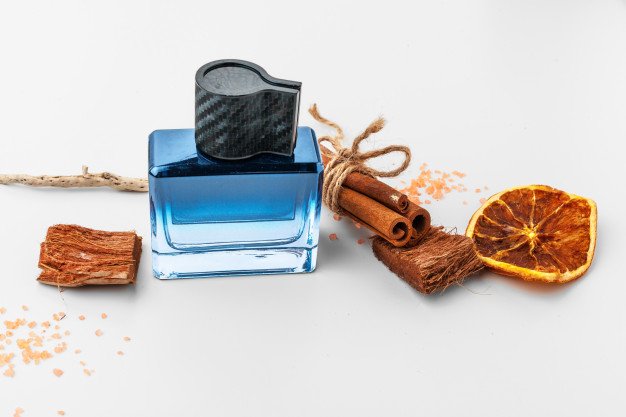
Are you ready to embark on a fascinating journey through the world of perfumes? From the ancient civilizations of Egypt and Greece to the modern-day perfume industry, the art of perfume making has evolved significantly over the centuries. In this article, we will delve into the intricacies of perfume creation, exploring the various methods and techniques used to craft these captivating scents.
A Brief History of Perfume Making
Perfume making dates back thousands of years, with ancient civilizations using fragrances for both practical and ceremonial purposes. The Egyptians, for instance, used perfumes to mask body odor and to honor their gods. The Greeks and Romans later adopted this practice, using perfumes to signify wealth and status. Fast-forward to the modern era, and perfume making has become a highly sophisticated process, involving advanced techniques and a deep understanding of fragrance chemistry.
The Perfume Making Process
The process begins with the selection of essential oils, which are extracted from plants, flowers, and other natural sources. These oils are then blended together to create a unique fragrance, which is mixed with alcohol and water to create the final perfume. The ratio of essential oils to alcohol and water determines the strength and longevity of the perfume.
Types of Perfumes
Perfumes come in various forms, each with its own unique characteristics. Eau de toilette, for example, is a light and refreshing fragrance, while eau de parfum is a more concentrated and long-lasting scent. Perfume oils, on the other hand, are highly concentrated and are often used in aromatherapy. For perfume related knowledge, you can even check ShayAndBlue insights.
The Art of Blending
Perfume blending is an art form that requires a deep understanding of fragrance chemistry and a keen sense of smell. Perfumers use their expertise to create unique blends that evoke emotions and transport us to different places and times. From floral and fruity scents to woody and oriental fragrances, the possibilities are endless.
Perfume in Travel
Perfume has long been associated with travel, with fragrances often evoking memories of exotic destinations and cultural experiences. Whether it’s the scent of jasmine in the gardens of Morocco or the aroma of lemongrass in the streets of Thailand, perfume has the power to transport us to far-flung places.
Table: Types of Perfumes
| Type of Perfume | Concentration of Essential Oils | Longevity |
| Eau de Toilette | 5-15% | 2-4 hours |
| Eau de Parfum | 15-20% | 4-6 hours |
| Perfume Oil | 20-30% | 6-8 hours |
Conclusion
The art of perfume making is a fascinating and complex process that requires skill, creativity, and a deep understanding of fragrance chemistry. From its ancient origins to the modern-day perfume industry, perfume has played a significant role in human culture and history. Whether you’re a perfume enthusiast or simply looking to explore the world of fragrances, this journey through the world of perfumes is sure to captivate and inspire.