
Community
The Essential Guide to Mosquito Forceps in Surgical Procedures
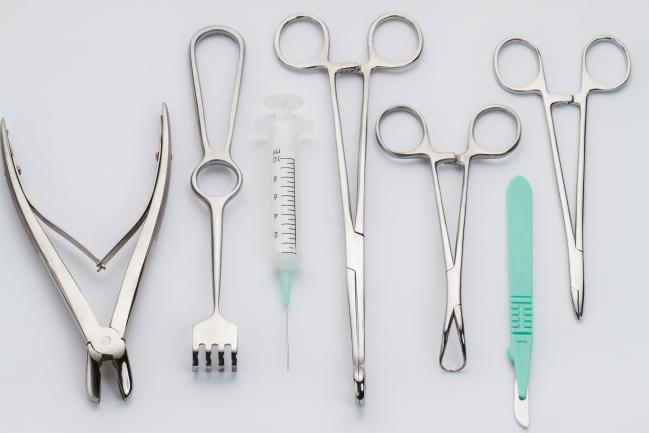
Mosquito forceps, commonly known as hemostatic forceps, play a pivotal role in surgical procedures due to their precision and versatility. Named for their resemblance to slender mosquitoes, these instruments are essential for achieving hemostasis and delicately handling tissues during surgeries.
Mosquito Forceps: Design and Function
Mosquito forceps feature thin, serrated jaws that allow surgeons to securely grasp small blood vessels and delicate tissues with minimal trauma. This design is crucial for controlling bleeding—a critical aspect of surgical success. Surgeons rely on these forceps in procedures requiring meticulous control and fine manipulation, such as microsurgery, ophthalmic surgeries, and dental procedures.
Key Uses in Surgery
Hemostasis:The primary function of mosquito forceps is to clamp blood vessels, effectively halting bleeding during surgical interventions. Their ability to grasp tiny vessels ensures a clear surgical field, enhancing precision and reducing the risk of complications.
Tissue Handling:Mosquito forceps excel in handling fragile tissues with precision and care. Their fine tips and delicate grip enable surgeons to manipulate tissues gently, particularly in surgeries involving intricate structures like nerves and blood vessels.
Suturing Assistance:During wound closure, these forceps assist in holding tissues steady for suturing. Their precise control facilitates neat and secure sutures, promoting effective wound healing.
Foreign Body Removal:In emergency settings, mosquito forceps are invaluable for extracting foreign objects lodged in tissues or body cavities. Their precision ensures minimal tissue damage while effectively removing debris or foreign bodies.
Material Composition: Stainless Steel vs Surgical Steel
The choice of materials in surgical instruments, including mosquito forceps, significantly impacts their performance and durability. Two common materials used are:
Stainless Steel: Renowned for its durability and resistance to corrosion, stainless steel is the preferred material for surgical instruments. It undergoes treatments to enhance its ability to withstand frequent sterilization cycles without rusting or losing structural integrity. Learn more about Stainless Steel vs Surgical Steel.
Surgical Steel: This term typically refers to a specific grade of stainless steel tailored for surgical instruments. It meets stringent standards for biocompatibility, strength, and resistance to wear, ensuring optimal performance in clinical environments.
Both stainless steel and surgical steel are integral to maintaining sterility and functionality throughout surgical procedures. Their reliability underscores the safety and efficacy of instruments like mosquito forceps.
Role in Surgical Practice
Mosquito forceps, along with other essential surgical instruments outlined in the “54 Basic Surgical Instruments,” form the foundation of surgical practice. These tools are indispensable for achieving precision, minimizing complications, and improving patient outcomes. The inclusion of mosquito forceps in the essential surgical toolkit highlights their significance across various medical disciplines, from general surgery to specialized fields like neurosurgery and plastic surgery.
Conclusion
Surgical instruments manufacturers in Pakistan (Acheron instruments) Mosquito forceps are indispensable in modern surgical settings, enabling precise tissue handling and effective hemostasis. Their design, coupled with the quality of materials such as stainless steel and surgical steel, ensures reliable performance and safety during surgical procedures. Understanding their uses and the materials from which they are crafted underscores the commitment to excellence in surgical instrument design. As part of the broader spectrum of surgical tools, mosquito forceps exemplify how specialized instruments contribute to successful surgical outcomes and ongoing advancements in medical care.