
Community
The Pros and Cons of Different Types of Cleaning Cloths
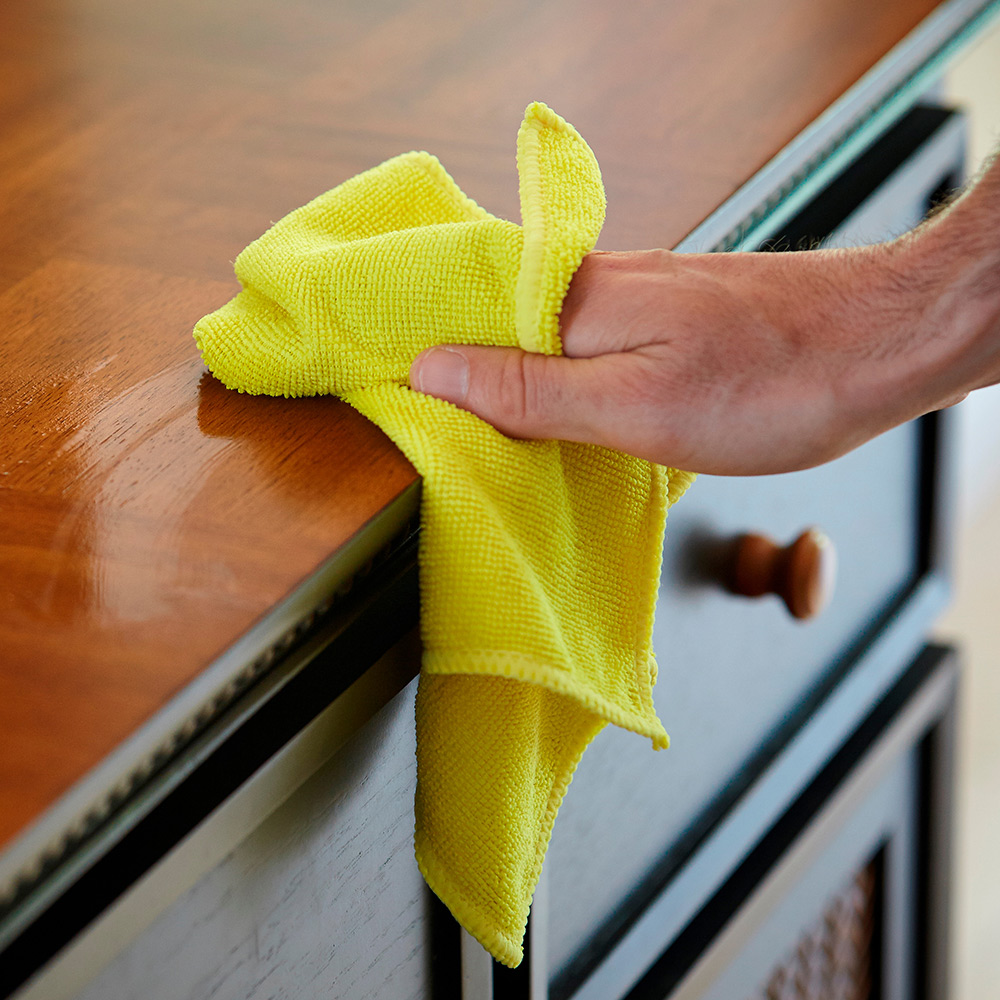
Cleaning cloths, which are created to remove dirt, dust, and grime from a variety of surfaces in our workshops and workplaces, are crucial components in our cleaning routines. But not every cleaning towel is made equal. There are several varieties of cleaning cloths on the market, each with a unique set of benefits and drawbacks. We will examine the benefits and drawbacks of many cleaning cloth varieties in this post to assist you in selecting the one that is most appropriate for your cleaning requirements.
Cotton Cloths
Pros
- Highly absorbent – Cotton towels are very absorbent, which makes them perfect for drying surfaces or cleaning up spills.
- Ideal for Sensitive Surfaces – Cotton is a fragile substance that is appropriate for sensitive surfaces such as glass or electronics.
- Reusable and washable – Cotton cloths can be readily cleaned and reused, cutting down on waste and cost over time.
Cons
- Lint – Cotton cloths have a propensity to develop lint, which can be annoying when attempting to leave surfaces streak-free.
- Less resilient – Cotton cloths cannot be as resilient and can wear out more rapidly than certain synthetic fabrics.
Microfibre Cloths
- High cleaning effectiveness – Microfiber cloths are renowned for their exceptional cleaning power and are adept at efficiently catching and trapping dust and dirt particles.
- Non-abrasive – Microfiber is a soft substance that won’t scratch or harm sensitive surfaces since it is non-abrasive.
- Dry fast – Microfiber cloths dry fast, preventing the formation of germs and odor-causing smells.
- Versatile – Microfiber cloths are versatile since they can be used dry or minimally moistened for a variety of cleaning jobs.
Cons
- Specific cleaning advice – Microfiber cloths need to be treated carefully to keep working properly. They have to be washed separately, without bleach or fabric softener, to preserve their cleaning capacity.
- Accumulation of Germs – Possibility of bacterial accumulation. Microfiber cloths can grow germs if not handled carefully and cleaned often.
Bamboo Wipes
- Renewable – Bamboo is a renewable resource that grows swiftly and needs little water and pesticides to flourish. It is also sustainable and environmentally beneficial.
- Antibacterial Qualities – Bamboo has inherent antibacterial qualities, which make bamboo towels useful for disinfecting and cleaning surfaces.
- Hypoallergenic – Bamboo cloths are soft and hypoallergenic, making them ideal for anyone with sensitive skin or allergies.
Cons
- Limited availability – Compared to cotton or microfiber choices, bamboo cleaning wipes could be harder to find.
- Cost – Cost of finding and processing bamboo fibres can make bamboo cleaning cloths somewhat more costly than other fabric varieties.
Disposable Cleaning Cloths
- Convenience – Because they do not need laundry or upkeep, disposable cleaning clothsare easy to use and discard.
- Easy to use – In terms of hygiene, using disposable cloths makes it simple to use a new cloth for each cleaning activity, reducing the possibility of cross-contamination.
Cons
- Impact on the environment – Disposable cleaning cloths increase trash production and harm the ecosystem.
- Cost – Compared to reusable cloth solutions, disposable cloths can seem first to be less expensive.
Natural Fibre Cleaning Wipes
- Environmentally Friendly – Natural fibre wipes are created from materials that are renewable and derived from plants, making them an environmentally beneficial option.
- Biodegradable – Natural fibre wipes naturally decompose over time, lessening its environmental effect.
Cons
- Absorbency – It could take more work to properly dry surfaces with certain natural fibres since they aren’t as absorbent as cotton or microfiber.
- Durability – Wipes made of natural fibres cannot be as durable as those made of synthetic materials and can deteriorate more rapidly with repeated usage.
Terry Cleaning Cloths
- Excellent absorbents – Terry fabric is renowned for being very absorbent, making it the best material for soaking up spills and liquids.
- Versatile – Terry cloth is versatile and can be used for a variety of cleaning activities, from drying dishes to wiping off surfaces.
- Durable – Terry fabric normally has the ability to survive repeated washings and usage.
Cons –
- Lint – When cleaning some surfaces that need a streak-free finish, lint from terry cloth can be an issue.
- Thickness – Terry fabric can be rather thick and unwieldy, which can make it less ideal for duties that call for accuracy or access to confined locations.
Knitted cleaning wipes
- Flexibility and stretch – Knit cleaning wipes are often composed of elastic fabrics, enabling them to adapt to various surfaces and curves.
- Scrubbing ability – Knit wipes’ texture can provide a light scrubbing action, making them ideal for getting rid of tough dirt or grime.
- Dry fast – Knit wipes often dry fast, which lowers the chance of bacterial development.
Cons
- Potential for snagging – Looser-woven knit cleaning cloths could be more likely to catch on rough surfaces or sharp items.
- Limited absorbency – Knit textiles can have lesser absorbency depending on the material.
Final words
Your unique cleaning requirements, tastes, and environmental concerns will determine the cleaning cloth you choose. Think about each type’s advantages and disadvantages and decide which aspects are most important to you.
Combining several cleaning cloths can also be helpful since you can use their special qualities for a variety of cleaning jobs. For more information and advice of the most suitable cleaning cloths for your requirement, consider contacting a cleaning cloth manufacturer, such as TIDDOX. Regardless of the kind you choose, always remember to take good care of your cleaning cloths to preserve their durability and efficiency.