
Community
The role of AI and machine learning in modern warehouse management systems
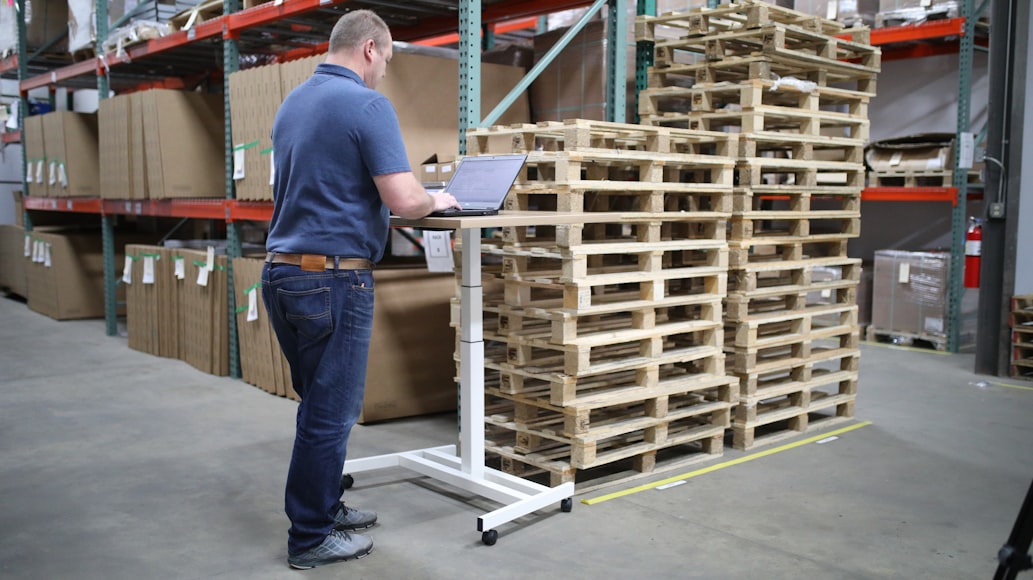
In today’s rapidly evolving digital landscape, artificial intelligence (AI) and machine learning (ML) have become pivotal in transforming industries, with logistics and supply chain management at the forefront of this revolution. Modern Warehouse Management Systems (WMS) are increasingly relying on these advanced technologies to enhance efficiency, accuracy, and overall operational effectiveness.
The integration of AI and ML into these systems marks a significant shift toward more automated, data-driven approaches that promise to reshape the future of warehouse operations.
Understanding AI and ML in warehouse management
AI refers to the simulation of human intelligence in machines that are programmed to think like humans and mimic their actions. Machine learning, a subset of AI, involves algorithms that allow computers to learn from and make decisions based on data. In the context of warehouse management, these technologies are employed to streamline complex processes, from inventory control to order fulfillment, and maintenance.
The application of AI and ML in warehouse management allows systems to continuously learn and improve from historical data, leading to more accurate predictions and efficient handling of resources. This capability not only reduces human error but also enhances the decision-making process across various operational aspects.
Key applications of AI and ML in WMS
Here are some key applications of AI and ML in WMS:
1. Inventory management and optimization
One of the primary applications of AI in warehouse management is in inventory control and optimization. AI systems can predict inventory requirements, optimize stock levels, and manage replenishments with high precision. This minimizes the risks of overstocking or stockouts, ensuring that inventory levels are maintained at an optimal balance based on real-time demand forecasts.
2. Enhanced picking processes
Machine learning algorithms can optimize picking routes and strategies, reducing the time it takes for warehouse operators to collect items for shipment. By analyzing data on item locations and historical picking times, ML models can suggest the most efficient paths and picking sequences, thus speeding up the order fulfillment process and enhancing productivity.
3. Predictive maintenance
Predictive maintenance is another critical area where AI excels in warehouse management. By monitoring equipment conditions through sensors and predicting possible breakdowns before they occur, AI-driven systems can significantly reduce downtime and maintenance costs. This proactive approach ensures that all warehouse operations are running smoothly without unexpected interruptions.
4. Automation and robotics
AI is the driving force behind the increasing adoption of automation and robotics in warehouses. Autonomous mobile robots (AMRs), guided by AI algorithms, can navigate through warehouses with minimal human intervention. These robots are capable of performing repetitive tasks such as transporting goods, which not only speeds up operations but also reduces manual labor and enhances safety.
5. Returns processing
Machine learning can streamline the returns management process, which is often complex and labor-intensive. ML algorithms analyze return patterns and reasons, facilitating quicker sorting, inspection, and reintegration of returned goods into inventory. This efficiency in handling returns is crucial for maintaining customer satisfaction and operational agility.
Integrating AI and ML with 3PL warehouse management systems
Third-party logistics (3PL) providers, in particular, can benefit significantly from integrating AI and ML into their warehouse management systems. A 3PL warehouse management system equipped with AI capabilities can offer enhanced services such as real-time inventory visibility, automated billing, and improved compliance with regulatory requirements. This not only boosts the efficiency of 3PL operations but also adds value to their customer service, making them more competitive in the logistics market.
Challenges and considerations
Despite the numerous benefits, the integration of AI and ML into WMS is not without challenges. The initial setup and ongoing maintenance of AI systems require significant investment in terms of both finances and skilled personnel. Data privacy and security are also major concerns, as these systems handle sensitive information that must be protected from breaches.
Furthermore, there is a need for continuous training and updating of AI models to adapt to changing environments and data patterns. Businesses must consider these factors carefully to ensure that the benefits of AI and ML integration outweigh the costs and challenges.
Conclusion
The role of AI and machine learning in modern Warehouse Management Systems is transformative, offering unprecedented improvements in efficiency, accuracy, and productivity. As technology continues to advance, AI and ML will undoubtedly become more ingrained in the fabric of logistics operations.
For businesses looking to stay competitive in a dynamic market, embracing these technologies is not just an option but a necessity. The future of warehouse management is here, and it is sharply focused on automation and intelligent analytics