
Community
Top Tips for Storing and Caring for Your Loose Pearls
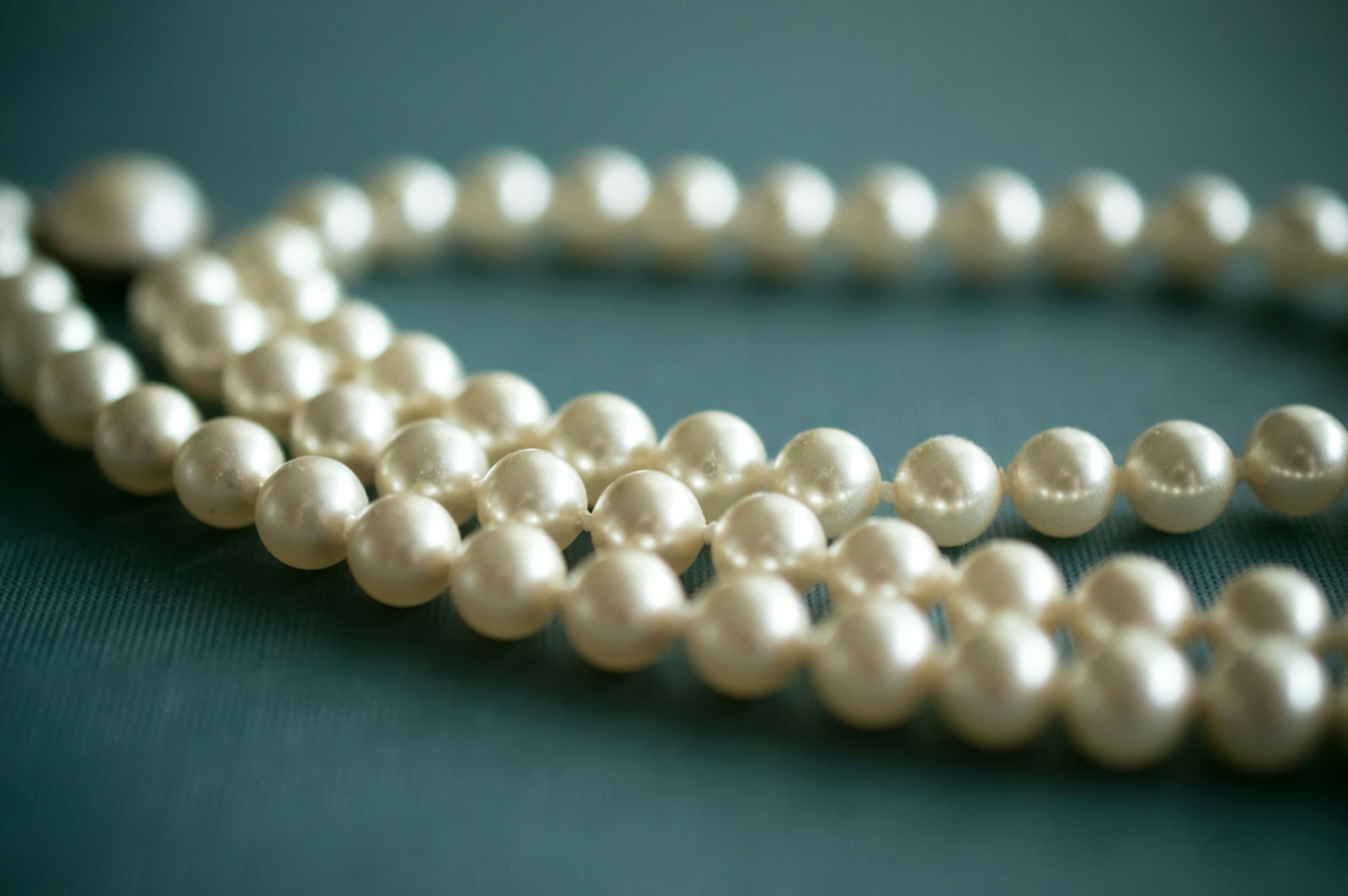
Loose pearls are a valuable addition to any jewelry collection, offering endless possibilities for creating stunning pieces. Whether you have a collection of loose freshwater pearls or exotic loose Tahitian pearls, proper storage, and care are essential to maintain their beauty and value. In this comprehensive guide, we’ll share top tips for storing and caring for your loose pearls, ensuring they remain pristine for years.
1. Importance of Proper Pearl Storage
Proper storage is crucial for maintaining the quality and luster of your loose pearls. Pearls are delicate and require specific conditions to prevent damage and deterioration.
Protecting Pearls from Scratches and Impacts
One of the primary reasons for proper pearl storage is to protect them from scratches and impacts. Pearls are soft and can easily be scratched by harder materials, such as metal or gemstones. When storing loose pearls, it’s important to keep them separate from other jewelry items to avoid accidental scratches or damage.
Preventing Exposure to Harsh Chemicals and Moisture
Pearls are also susceptible to damage from exposure to harsh chemicals and moisture. Chemicals found in perfumes, cosmetics, and household cleaners can dull the luster of pearls and cause discoloration. Similarly, excessive moisture can weaken the delicate nacre coating of pearls, leading to damage and deterioration. Proper storage helps prevent your loose pearls from coming into contact with these harmful elements.
2. Ideal Storage Conditions for Loose Pearls
To ensure your unstrung pearls remain in excellent condition, it’s important to provide them with ideal storage conditions. Consider the following factors when storing your unstrung pearls:
Temperature and Humidity Control
Pearls are best stored in a cool, dry environment with a stable temperature and humidity. Extreme temperatures and humidity fluctuations can cause pearls to expand and contract, leading to cracks and damage. Aim to store your loose pearls in a room with a consistent temperature between 60-75°F (15-24°C) and a relative humidity of 30-50%.
Avoiding Direct Sunlight and Heat
Direct sunlight and heat can also be detrimental to loose pearls. Prolonged exposure to sunlight can cause pearls to fade and discolor, while heat can dry out them, making them brittle and prone to cracking. Always store your loose gem pearls away from direct sunlight and heat sources, such as radiators or hot windows.
Using Soft, Breathable Storage Materials
When choosing storage materials for your loose pearls, opt for soft, breathable options that won’t scratch or damage the delicate surface of the pearls. Some recommended storage materials include:
- Soft, lint-free cloth pouches
- Compartmentalized jewelry boxes lined with velvet or satin
- Silk or cotton-lined trays
Avoid storing loose pearls in airtight plastic containers, as these can trap moisture and lead to damage.
3. Cleaning and Maintenance Tips for Loose Pearls
Regular cleaning and maintenance are essential for keeping your loose pearls looking their best. Follow these tips to clean and care for your loose gem pearls:
Gentle Cleaning Methods
Always use gentle methods to avoid damaging the delicate nacre when cleaning your unstrung pearls. Here are some safe cleaning techniques:
- Wipe pearls gently with a soft, damp cloth to remove dirt, oils, and perspiration after each wear.
- Mix a solution of mild, unscented soap and lukewarm water for a deeper clean. Dip a soft cloth into the solution, wring it out, and gently wipe the pearls. Rinse the pearls with a clean, damp cloth and allow them to air dry.
- Avoid using ultrasonic cleaners, steam cleaners, or harsh chemicals, as these can damage the pearls.
Professional Restringing and Repair
Suppose you have loose pearls previously part of a necklace or bracelet. In that case, having them professionally restrung every few years is important to maintain their integrity and prevent loss. Weakened or stretched silk thread can cause pearls to rub against each other, leading to scratches and damage. A professional jeweler can rest your pearls using high-quality silk thread and ensure they are securely knotted between each pearl.
If you notice any damage to your loose pearls, such as cracks or chips, it’s best to have them assessed and repaired by a professional pearl specialist. Attempting to repair damaged pearls can lead to further damage and decreased value.
4. Handling Loose Pearls with Care
In addition to proper storage and cleaning, handling your loose pearls carefully is important to prevent damage. Keep these tips in mind when handling your unstrung pearls:
Putting on Pearls Last
When getting dressed, always put on your pearl jewelry last, after applying makeup, perfume, and hair products. The chemicals in these products can harm pearls, causing discoloration and damage. You minimize their exposure to these substances by putting on your pearls last.
Removing Pearls Before Physical Activities
To prevent damage from impact or abrasion, remove your loose pearl jewelry before engaging in physical activities such as exercising, swimming, or doing household chores. Sweat and chlorinated water can also harm pearls, so it is best to remove them before participating in these activities.
Handling Pearls with Clean Hands
Always handle your loose pearls with clean hands to avoid transferring oils, dirt, or chemicals onto the surface of the pearls. If your hands have recently been exposed to harsh substances, be sure to wash them thoroughly before handling your unstrung pearls.
5. Storing Loose Pearls for Long-Term Preservation
Additional steps can be taken to ensure the long-term preservation of loose pearls stored for an extended period, such as when they’re not in use or being passed down as heirlooms.
Avoiding Prolonged Storage in Safe Deposit Boxes
While safe deposit boxes may seem like a secure option for storing loose pearls, prolonged storage in these environments can actually be detrimental to their condition. Safe deposit boxes often have low humidity levels, which can cause pearls to dry out and become brittle over time. If you must use a safe deposit box for storage, consider placing your pearls in a soft, breathable pouch with a small damp cloth to maintain humidity.
Periodic Inspections and Wear
To keep your loose pearls in optimal condition, it’s important to inspect them periodically for any signs of damage or deterioration. Even when not in use, pearls can benefit from occasional wear, as the natural oils from your skin help keep them lustrous and moisturized. Consider taking your unstrung pearls out of storage every few months to inspect them and give them some “air time” to maintain their beauty.
Proper Packaging for Travel
Proper packaging is essential to prevent damage during transit if you must travel with your loose pearls. Use a soft, padded jewelry pouch or a compartmentalized jewelry case to keep your unstrung pearls secure and separated from other items. Avoid packing pearls in checked luggage, as the extreme temperature and pressure changes can be harmful. Instead, keep them in your carry-on bag or personal item for added safety.
Conclusion
Loose pearls are a valuable and versatile addition to any jewelry collection, but they require proper care and storage to maintain their beauty and value. By following the tips outlined in this guide, you can ensure that your loose pearls, whether freshwater or exotic Tahitian pearls remain pristine for years.
Remember to store your unstrung pearls in a cool, dry environment away from direct sunlight and heat, using soft, breathable materials to prevent scratches and damage. Clean your pearls gently and regularly, and handle them carefully to avoid exposure to harsh chemicals and physical stress.