
Community
Types of Fish Oil Supplements to Consume as Dietary Supplements
Fish oil supplements have become a popular choice for those seeking to improve their health. Packed with omega-3 fatty acids, these supplements offer a range of potential benefits, from heart health to cognitive function. But navigating the world of fish oil supplements can be confusing. With various types, potencies, and brands available, choosing the right one can feel overwhelming.
Worry not, fellow health voyager! This guide dives into the different types of fish oil supplements, empowering you to make informed decisions for your well-being.
- Best ones – EPA and DHA?
The magic behind fish oil lies in two key omega-3 fatty acids: eicosapentaenoic acid (EPA) and docosahexaenoic acid (DHA). These superstars are responsible for most of the health benefits associated with fish oil.
- EPA: Often linked to heart health, EPA may help reduce inflammation, lower triglycerides (a type of fat in the blood), and potentially reduce the risk of blood clots.
- DHA: Crucial for brain function and development, DHA plays a role in memory, learning, and vision. It’s also essential for maintaining healthy eyes during pregnancy and early childhood.
What is the right EPA:DHA Ratio?
The ideal EPA : DHA ratio depends on your individual needs. Here’s a general breakdown:
- Balanced Approach (3:2 EPA:DHA): This is a good starting point for overall health benefits.
- Heart Health Focus (Higher EPA): If heart health is your primary concern, look for supplements with a higher EPA content (e.g., 2:1 or 4:1 EPA:DHA).
- Brain Health Focus (Higher DHA): For cognitive function and brain health, consider supplements with a higher DHA content (e.g., 1:2 or 1:3 EPA:DHA).
Important Note: Always consult your doctor before starting any new supplement regimen, especially if you have any underlying health conditions.
- Types of Fish Oil
Fish oil supplements are derived from various fish species, each with its own EPA and DHA content. Here are some common options:
- Fatty Fish: Salmon, sardines, mackerel, herring, and tuna are excellent sources of omega-3s. However, fish oil supplements typically come from smaller fish like anchovies or menhaden, which are more readily available and sustainable.
- Cod Liver Oil: This oil, extracted from cod livers, is a rich source of omega-3s and vitamins A and D. However, the high vitamin A content can be toxic in large doses, so be cautious about exceeding recommended intake levels.
Sustainability Matters:
When choosing fish oil supplements, consider opting for brands committed to sustainable fishing practices. Look for certifications from organizations like the Marine Stewardship Council (MSC) to ensure responsible sourcing and minimize environmental impact.
- Choosing Your Delivery System
Fish oil supplements come in various forms, each with its own advantages and disadvantages:
- Liquid Fish Oil: This offers the highest absorption rate but can have a fishy aftertaste.
- Softgels: These are convenient and mask the fishy taste, but some may contain additives. Look for enteric-coated softgels to minimize potential stomach upset.
- Chewable: These are a good option for those who dislike swallowing pills, but they may also have a fishy taste.
The Importance of Purity:
Fish oil can be susceptible to contamination with mercury and other pollutants. Choose reputable brands that test their products for purity and ensure they meet safety standards.
- What to Look For
When selecting a fish oil supplement, pay close attention to the label:
- Dosage: Look for the total amount of EPA and DHA per serving, not just the total fish oil content. Aim for a daily intake of at least 500mg of combined EPA and DHA.
- Triglyceride vs. Ethyl Ester Forms: Triglyceride forms are considered the most natural and absorbable. Ethyl ester forms are less expensive but may have lower absorption rates.
Additional Considerations:
- Purity: Look for brands that test for contaminants like mercury and PCBs.
- Freshness: Opt for brands with clear expiry dates and proper storage recommendations.
- Flavorings: Some brands offer flavored fish oil supplements to mask the fishy taste.
- Alternative Sources of Omega-3s
For those who cannot consume fish or fish oil supplements, alternative sources of omega-3s exist:
Algae Oil: Derived from marine algae, this vegan option provides EPA and DHA directly. Unlike flaxseed oil, our bodies can readily utilize these omega-3s without needing conversion. While generally more expensive than fish oil, algae oil is a sustainable and cruelty-free alternative.
Flaxseed Oil: While rich in alpha-linolenic acid (ALA), the body converts ALA to EPA and DHA less efficiently. This means you would need to consume a much higher quantity of flaxseed oil to achieve the same level of EPA and DHA benefits compared to fish oil or algae oil. However, flaxseed oil is readily available, affordable, and a good source of ALA, which offers its own health benefits like reducing inflammation. Consider incorporating ground flaxseeds into your diet for a more natural way to boost your ALA intake.
Walnuts and Chia Seeds: These plant-based foods are excellent sources of ALA. Including them in your diet alongside other ALA-rich options can contribute to your overall omega-3 intake.
Considering Brands:
Several reputable brands offer high-quality fish oil supplements. Here are a few to consider:
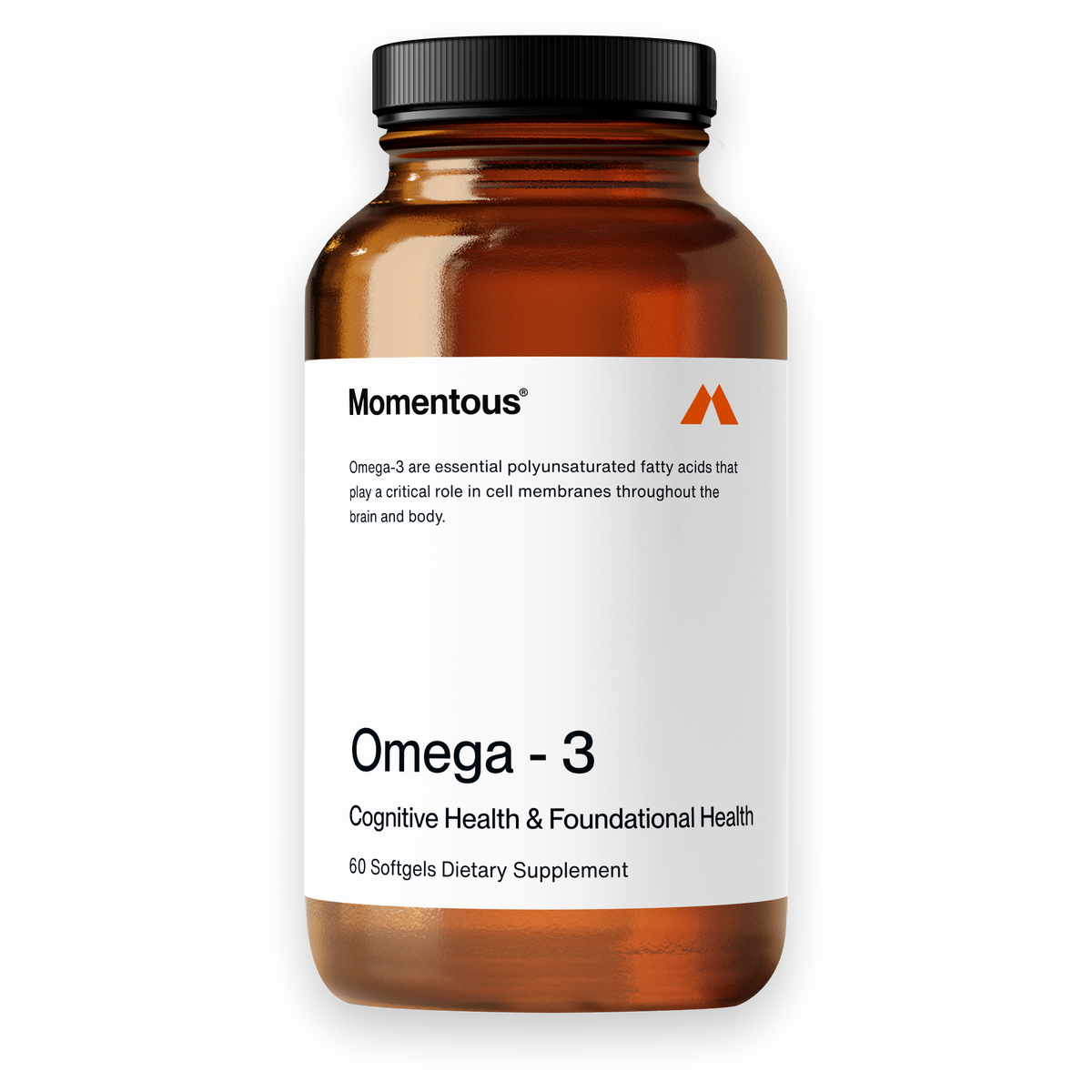
- Momentous: Known for its commitment to purity, sustainability, and high EPA and DHA content, Momentous is a great all-around option. They prioritize transparency, providing detailed third-party lab reports for each batch of oil. While not the cheapest on the market, Momentous offers a good value for quality-conscious consumers seeking a potent and reliable fish oil supplement.
- Nordic Naturals: A well-established brand offering a wide range of fish oil options, Nordic Naturals caters to various needs and budgets. Their commitment to sustainability and third-party testing makes them a trusted choice.
- Wiley’s Finest: This brand focuses on purity and offers fish oil supplements derived from wild-caught Alaskan Pollock. Their products are typically free of artificial flavors and sweeteners, making them a good option for those with sensitivities.
- Carlson Labs: Known for their affordable pricing and focus on molecularly distilled fish oil, Carlson Labs is a budget-friendly option. However, it’s important to compare the EPA and DHA content per serving to ensure you’re getting a sufficient amount for your needs.
- Nature Made: Widely available and known for its consistent quality, Nature Made offers a good basic fish oil supplement at an affordable price point.
Finding the Right Choice for You:
This list is not exhaustive, and many other reputable fish oil brands exist. Consider your individual needs and priorities – budget, desired EPA:DHA ratio, brand values (like sustainability), and form preference – when making your selection. Remember, consulting a healthcare professional can help you determine the best fish oil supplement for your specific situation.
Conclusion
The world of fish oil supplements can seem complex, but with a little knowledge, you can make informed choices to support your well-being. By understanding the different types, potencies, and sources of omega-3s, you can select the supplement or dietary approach that best suits your needs and preferences. Remember, consulting your doctor before starting any new supplements is crucial, especially if you have any underlying health conditions. So, set sail on your journey to omega-3 goodness, and navigate the vast selection with confidence!