
Community
Understanding Construction Accounting: Key Differences from Standard Accounting
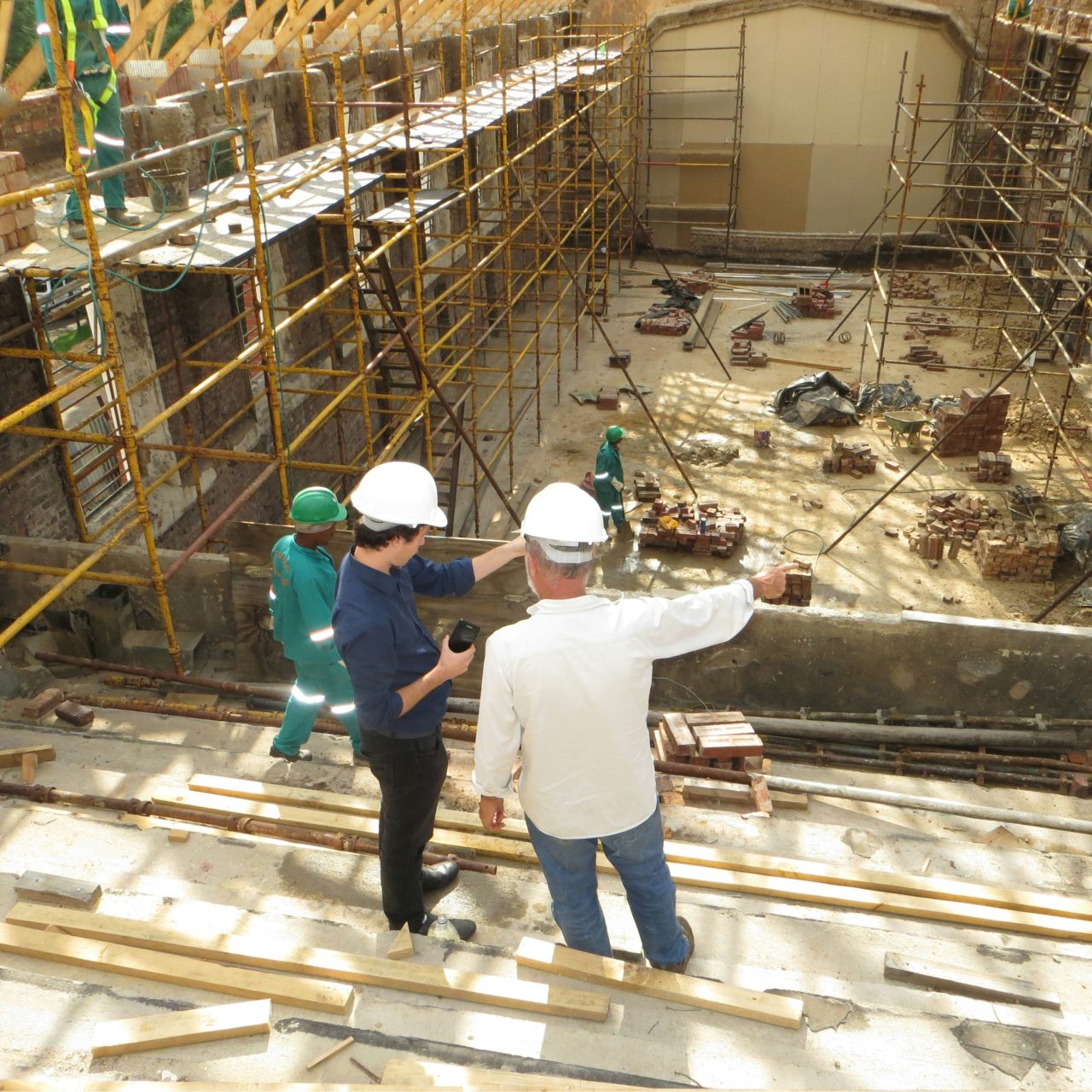
Construction accounting is a specialized form of financial management tailored to the unique needs of the construction industry. Unlike standard accounting, construction accounting requires a distinct set of practices to handle the complexities of construction projects, which often involve long-term contracts, multiple stakeholders, and significant financial investments.
The Unique Aspects of Construction Accounting
- Project-Based Accounting In construction accounting, each project is treated as a separate entity. This means financial transactions are tracked on a project-by-project basis rather than across the company as a whole. This allows for better management of project costs, revenue, and profitability.
- Revenue Recognition Construction accounting employs specific methods for revenue recognition due to the long-term nature of construction projects. The two most common methods are the percentage of completion method and the completed contract method. The percentage of completion method recognizes revenue based on the project’s progress, while the completed contract method recognizes revenue only once the project is finished.
- Job Costing Accurate job costing is critical in construction accounting. It involves tracking all costs associated with a project, including labor, materials, equipment, and overhead. This ensures that project managers have a clear understanding of actual vs. budgeted costs, which is essential for effective project management.
- Change Orders Construction projects often undergo changes that can significantly impact the project’s scope and cost. Construction accounting must account for these change orders promptly and accurately to ensure financial records reflect the true cost and revenue implications.
Challenges in Construction Accounting
- Cash Flow Management Managing cash flow can be particularly challenging in construction due to the timing of payments and the need to fund ongoing projects. Construction accounting systems need to closely monitor cash flow to avoid liquidity issues.
- Compliance and Reporting Construction companies must comply with various regulatory requirements, including tax laws and industry-specific standards. Accurate and timely financial reporting is crucial to meet these obligations and avoid penalties.
- Technology Integration Modern construction accounting increasingly relies on specialized software to manage the complex financial aspects of construction projects. Integrating these systems with other business tools, such as project management software, is vital for efficiency and accuracy.
Best Practices in Construction Accounting
- Regular Financial Reviews Conducting regular financial reviews helps identify potential issues early and ensures projects stay on budget. This practice includes reviewing financial statements, cash flow reports, and job costing summaries.
- Invest in Training Providing ongoing training for accounting staff on the latest construction accounting practices and software tools can improve accuracy and efficiency in financial management.
- Adopt Cloud-Based Solutions Cloud-based accounting solutions offer real-time access to financial data, making it easier to manage multiple projects simultaneously. They also enhance collaboration among team members and improve decision-making processes.
In conclusion, construction accounting is a crucial aspect of managing construction projects effectively. By understanding its unique requirements and challenges, construction companies can improve their financial management practices, ensuring better project outcomes and long-term profitability. Investing in the right tools and training can make a significant difference in the accuracy and efficiency of construction accounting processes.