
Community
Unearthing Hidden Wealth: How Phoenix Capital Group Helps Landowners Cash In on Mineral Rights
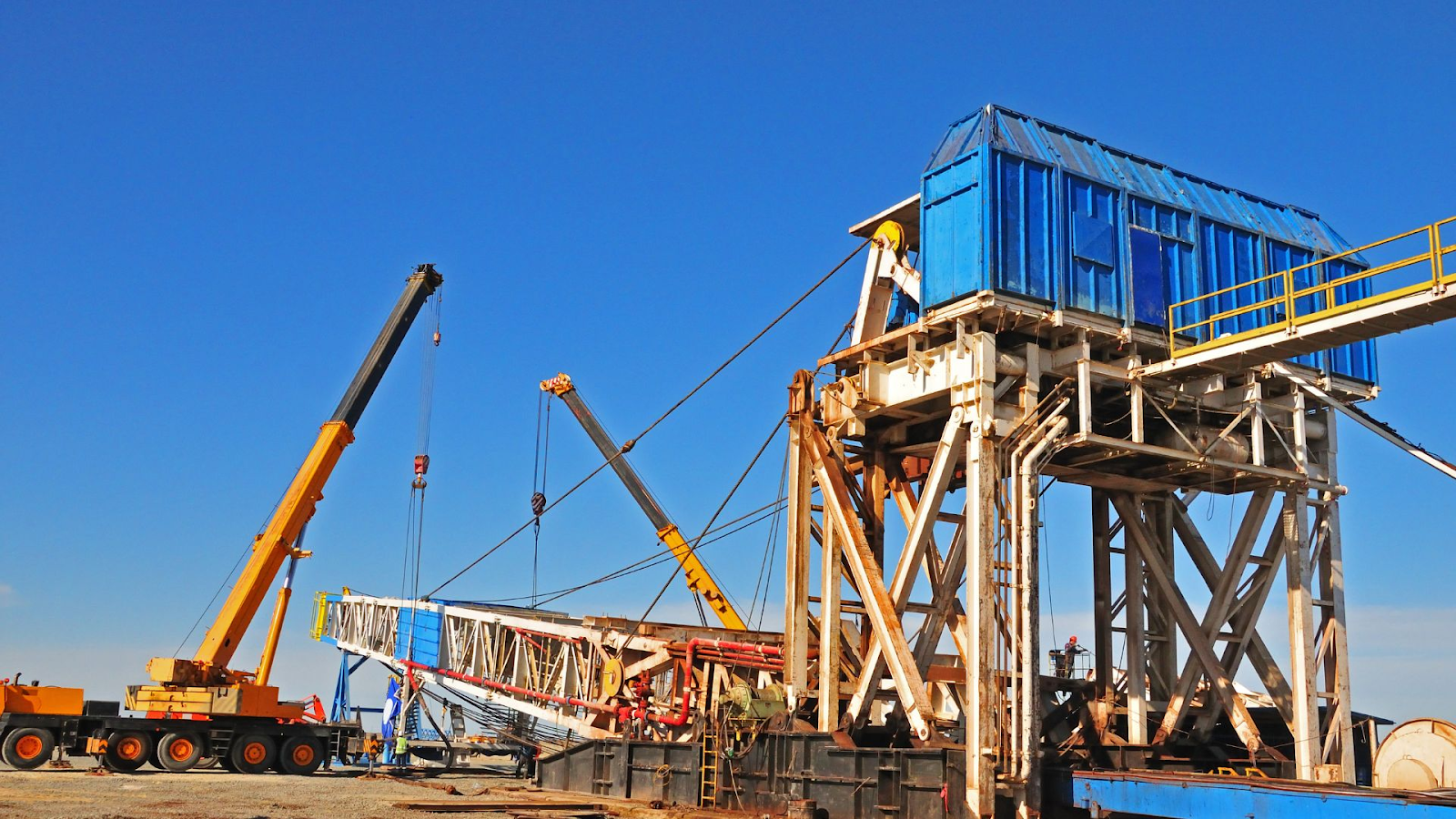
Mineral rights ownership can be a game-changer for landowners, turning hidden subsurface resources into significant financial assets. Founded in 2019, Phoenix Capital Group Holdings, LLC helps landowners unlock this potential. Under the leadership of CEO Adam Ferrari, Phoenix Capital Group focuses on empowering landowners by providing them with the tools and knowledge needed to maximize the value of their mineral rights.
Unlike many in the industry, Ferrari’s firm prioritizes the interests of individual landowners over corporate profits. By educating landowners on the intricacies of mineral rights and offering innovative investment solutions, Phoenix Capital Group creates opportunities for sustainable financial growth.
Understanding mineral rights
Mineral rights refer to the ownership of subsurface resources such as oil, gas, coal, and other minerals beneath a property. Unlike surface rights, which pertain to the ownership and use of the land itself, mineral rights grant the holder the authority to explore, extract, and sell these underground resources. This distinction is crucial, as mineral rights can be sold, leased, or retained separately from the surface land.
Understanding mineral rights is essential for landowners seeking to maximize their property’s value. There are several types of mineral rights ownership.
Mineral Interests
Mineral interests are real property interests that include all rights and privileges that are associated with the ownership of a mineral estate. These include the reasonable use of the surface, right to lease, the right to produce and develop oil & gas, and the right to receive royalties. Often, mineral interests are severed from surface rights.
Leasehold Interests
Leasehold interests are the interests acquired by the lessee or owner of an oil and gas lease, including the right to explore, develop, produce, and market oil, gas, and hydrocarbons and receive royalties from a mineral estate. Leasehold interest is temporary and based on terms within the oil and gas lease.
Overriding Royalty Interests
Overriding royalty interests refer to any interest in the revenue or proceeds from oil and gas sold under an oil and gas lease. These fractional interests depend on the lease’s term limits and are generally created when the lessee or owner conveys their leasehold interest to another party.
Perpetual Royalty Interests
Royalty interests refer to the right to receive future royalties that have been severed from the interest of a mine.
Additionally, the value of mineral rights can vary based on factors such as location, the presence of extractable resources, and market demand. By understanding this, landowners can make informed decisions about selling, leasing, or retaining their mineral assets, thereby unlocking their property’s full financial potential.
Legal and regulatory framework
Navigating the legal and regulatory framework surrounding mineral rights is essential for both landowners and investors. In the United States, these regulations are often complex and can differ from state to state. Understanding this framework helps ensure compliance with the law and maximizes the financial benefits of mineral ownership.
Firstly, mineral rights are governed by a combination of federal, state, and local laws. Federal regulations typically oversee broader aspects such as environmental protection and land use, particularly on public lands. State laws, however, play a more significant role in managing mineral rights on private property, including rules about drilling, mining, and royalties. Local ordinances may also influence operations, especially concerning zoning and environmental impact assessments.
Ownership and transfer of mineral rights require careful legal documentation, including deeds, leases, and contracts that must be meticulously drafted and reviewed to avoid disputes and ensure clear terms of agreement. Moreover, compliance with environmental regulations is crucial. Laws such as the Clean Air Act and Clean Water Act impose strict standards on extraction activities to mitigate environmental harm.
To navigate this intricate landscape, it is highly recommended that one engage with legal and industry experts who can provide guidance on regulatory requirements, assist in drafting legal documents, and promise that every activity is conducted above board. This proactive approach helps protect investments and ensures sustainable and lawful resource extraction.
Phoenix Capital Group’s approach
Phoenix Capital Group’s approach to navigating the complexities of mineral rights and non-traditional capital gains opportunities is rooted in expertise, innovation, and a commitment to responsible investment. Under Ferrari’s leadership, Phoenix Capital Group has emerged as a key player in the oil and gas industry, leveraging a deep understanding of the sector to maximize returns for investors while ensuring sustainable practices.
Central to their strategy is a comprehensive due diligence process. Phoenix Capital Group meticulously evaluates potential investments, analyzing geological data, assessing regulatory compliance, and considering market conditions. This thorough approach minimizes risks and enhances the potential for high returns. Phoenix Capital Group identifies and capitalizes on promising opportunities by combining traditional valuation methods with advanced technological tools, such as data analytics and predictive modeling.
In addition to financial acumen, Phoenix Capital Group emphasizes environmental stewardship. Recognizing the impact of extraction activities on the environment, the company adheres to strict environmental standards and employs best practices to minimize ecological footprints. This commitment to sustainability not only aligns with regulatory requirements but also resonates with socially conscious investors.
Moreover, Phoenix Capital Group fosters strong relationships with landowners and local communities, ensuring all parties benefit from mineral rights transactions. This ethical approach builds trust and long-term partnerships, which are essential for sustained success in the industry.
The future of mineral rights for landowners
The future of mineral rights for landowners is poised for transformation, driven by technological innovation, regulatory advancements, and evolving environmental standards. Phoenix Capital Group exemplifies this shift, championing a forward-thinking approach that benefits both landowners and the environment.
Through cutting-edge technologies and rigorous due diligence, Phoenix Capital Group enhances transparency and efficiency in mineral rights transactions to ensure landowners receive fair compensation while minimizing ecological impact. By prioritizing sustainable practices and compliance with stringent regulations, Phoenix Capital Group sets a precedent for responsible resource management.
Looking ahead, the mineral rights landscape promises increased opportunities for landowners to leverage their assets sustainably. Technological tools will continue to streamline operations and optimize resource extraction, enhancing profitability and environmental stewardship. Regulatory reforms will further safeguard landowners’ interests and promote equitable partnerships with industry stakeholders.
Phoenix Capital Group’s commitment to ethical business practices and environmental responsibility positions it as the leader in this industry. By embracing these principles, landowners can secure long-term value from their mineral assets while contributing to a more sustainable future for generations to come.