
Community
Winterizing Your Patio Furniture: Essential Tips for Protection
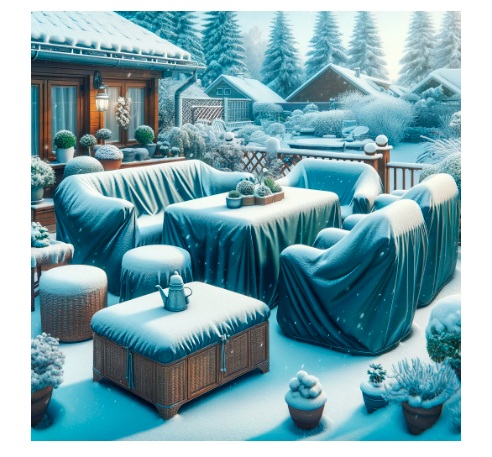
As winter approaches, taking steps to protect your patio furniture is crucial to ensure its longevity and maintain its aesthetic appeal. The harsh elements of winter—snow, ice, and cold temperatures—can take a toll on outdoor furnishings, leading to damage and premature aging. This article offers practical advice on how to care for your patio furniture during the colder months, covering everything from cleaning and storage to the strategic use of covers.
Cleaning and Preparing Furniture for Winter
Before storing your patio furniture for the winter, it is essential to give it a thorough cleaning. This prevents dirt, grime, and moisture from setting in and causing damage during the winter months. For metal furniture, use soapy water and a soft brush to remove any rust or buildup, and consider applying a coat of protective wax or paint to prevent further rusting. Wooden furniture should be cleaned with a wood-friendly cleaner and treated with a water-repellent finish to protect against moisture damage. Plastic and resin pieces can generally be cleaned with a simple mixture of soap and water. After cleaning, ensure all furniture is completely dry before covering or storing to prevent mold and mildew growth.
The Importance of Using Patio Furniture Covers
Using patio furniture covers is one of the most effective ways to protect your outdoor furnishings from the winter elements. High-quality covers are designed to provide a barrier against rain, snow, and frost, significantly reducing the risk of weather-related damage. Here are some key benefits of using patio furniture covers:
- Moisture Protection: Covers prevent snow and rain from penetrating the furniture, which can cause wood to rot, metals to rust, and fabrics to develop mold.
- UV Protection: Even in winter, UV rays can fade and weaken furniture, especially pieces made from wood and plastic. Covers help block these rays, preserving the color and integrity of the material.
- Dirt and Debris Shield: Covers keep furniture clean and free from debris like leaves and twigs, which can stick to wet surfaces and cause staining or decay.
- Ease of Use: Modern patio furniture covers are easy to use, fitting snugly around furniture and often featuring ties or elastic hems to secure them in place.
Choose covers that are waterproof and breathable to prevent condensation from forming underneath, which could lead to mold and mildew.
Strategic Storage Solutions
If possible, the best way to protect your patio furniture in the winter is to store it in a dry, indoor space such as a garage, shed, or basement. Storing furniture indoors protects it from the severe cold and fluctuating temperatures that can cause materials to crack and weaken. If indoor storage isn’t an option, tightly cover your furniture and place it in a sheltered area of your yard, such as under a covered patio or deck. For added protection, elevate furniture off the ground on pallets or blocks to prevent moisture from seeping up from the ground.
Regular Checks Throughout the Winter
Even after taking all the necessary precautions, it’s wise to periodically check on your covered furniture throughout the winter months. This allows you to adjust covers, remove any accumulated snow or water, and ensure that no part of the furniture is exposed to the elements. These regular checks help catch and mitigate potential issues before they lead to significant damage.
Conclusion
Properly looking after your patio furniture over the winter requires a combination of thorough cleaning, protective covering, thoughtful storage, and regular maintenance. By following these steps, you can ensure that your outdoor furnishings remain in excellent condition, ready to be enjoyed again when the warmer weather returns. Investing time and effort into winterizing your patio furniture can save you money in the long run and keep your outdoor living space looking its best for years to come.