
Community
6 Important Retail Merchandising Trends for 2024
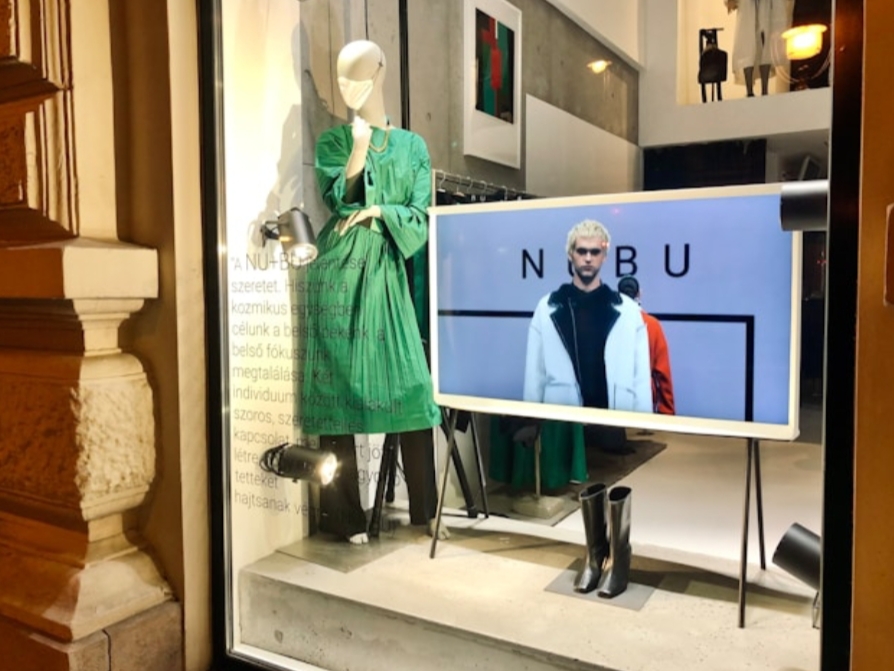
In the dynamic world of retail, staying ahead of the curve is essential for businesses looking to thrive in an ever-changing landscape. As we step into 2024, it’s crucial for retailers to understand and adapt to the latest trends shaping the industry. From personalized shopping experiences to sustainable practices and innovative technologies, let’s delve into six key trends that will define retail merchandising in 2024.
1. Personalized Shopping Experience
Personalization has transcended from being a mere strategy to becoming the cornerstone of modern retail practices, particularly in MCA retail merchandising. It offers brands a powerful tool to establish deeper connections with consumers by tailoring products and services to their individual preferences and needs.
As we navigate through the complexities of retail in 2024, the role of personalization has expanded exponentially, thanks to the integration of advanced technologies such as artificial intelligence (AI) and data analytics. These innovations enable MCA retail merchandising to delve deeper into customer insights, allowing for more precise and effective personalization strategies that drive engagement and loyalty.
In the bustling world of retail, where competition is fierce and consumer expectations are constantly evolving, personalization stands out as a beacon of differentiation. Retailers are no longer relying solely on demographic data to understand their customers; instead, they’re delving deeper into behavioral insights and real-time interactions to create hyper-personalized experiences.
AI-powered algorithms sift through vast amounts of data, from browsing history to purchase patterns, to unearth valuable insights into each customer’s preferences, habits, and purchasing intent.
By harnessing the capabilities of AI and data analytics, retailers can craft personalized recommendations that resonate with individual customers on a profound level. Whether it’s suggesting complementary products based on past purchases or curating personalized promotions tailored to specific interests, retailers have the power to transform every interaction into a memorable and impactful experience.
2. Sustainable Practices
With increasing awareness of environmental issues, consumers are demanding more sustainable products and practices from retailers. In response, retailers are embracing sustainability across their supply chains, from sourcing raw materials responsibly to reducing waste and carbon emissions. In 2024, we can expect to see continued efforts to adopt eco-friendly practices, including the use of renewable energy, ethical sourcing, and innovative packaging solutions that minimize environmental impact.
3. Omnichannel Retailing
Omnichannel retailing has revolutionized the way consumers shop, allowing them to seamlessly transition between online and offline channels. In 2024, retailers will continue to invest in omnichannel strategies to provide customers with a unified shopping experience across all touchpoints. This includes integrating mobile commerce into their omnichannel approach, enabling customers to shop anytime, anywhere, from any device. However, challenges such as inventory synchronization will need to be addressed to fully realize the benefits of omnichannel retailing.
4. Immersive Technologies
Immersive technologies such as augmented reality (AR) and virtual reality (VR) are transforming the retail experience, allowing customers to interact with products in new and exciting ways. In 2024, retailers will increasingly use AR and VR applications to enhance customer engagement and drive sales. For example, virtual try-on experiences allow customers to visualize how products will look before making a purchase, while interactive product visualization tools provide a more immersive shopping experience.
5. Influencer Collaboration
Influencer marketing continues to be a powerful tool for retailers to reach and engage with their target audience. In 2024, we can expect to see more retailers collaborating with social media influencers to promote their products and services. However, authenticity and credibility will be key factors in determining the success of influencer collaborations. Retailers will need to carefully select influencers whose values align with their brand and who have a genuine connection with their audience.
6. Frictionless Checkout
The checkout process is a critical touchpoint in the customer journey, and retailers are constantly seeking ways to make it faster and more convenient. In 2024, we will see continued innovation in checkout technologies, including the widespread adoption of contactless payment options and self-checkout systems. These technologies not only reduce transactional friction for customers but also improve operational efficiency for retailers.
Conclusion
In conclusion, personalization stands as the bedrock of contemporary retail, offering brands the means to forge profound connections with customers and drive business success. As we navigate through 2024 and beyond, the significance of personalization will only amplify, reshaping the retail landscape and redefining consumer engagement strategies. Leveraging advanced technologies like AI and data analytics, retailers can create bespoke shopping experiences that resonate with customers on a deeply personal level, fostering loyalty and driving sales.
By continuously refining personalization strategies and staying attuned to evolving consumer preferences, retailers can position themselves at the forefront of innovation, delivering unparalleled value to customers and securing long-term success in an increasingly competitive marketplace.