
Community
A Guide to Types of Face Masks for Your Skin
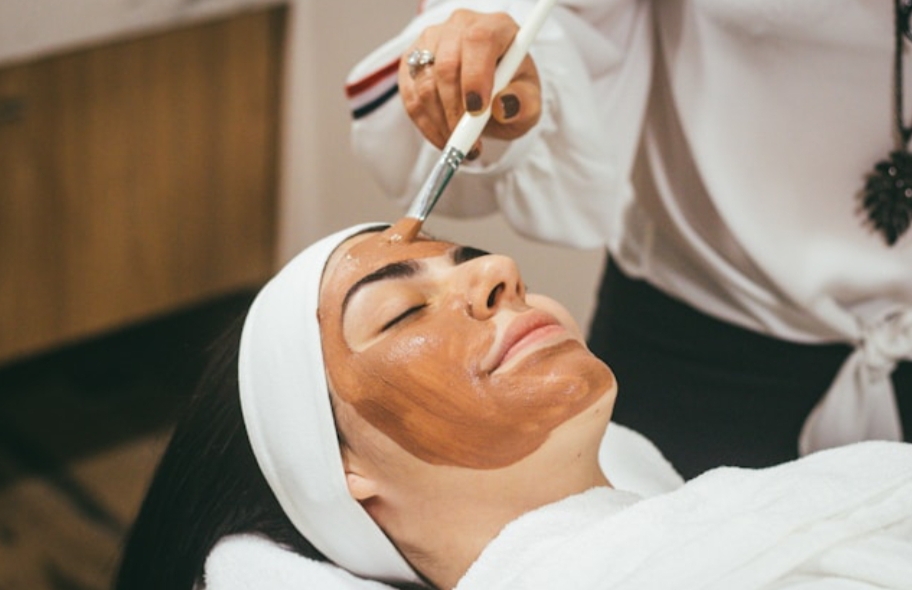
Face masks have become an integral part of skincare routines, offering a wide range of benefits for various skin types and concerns. Whether you’re looking to hydrate, cleanse, or rejuvenate your skin, there’s a face mask out there tailored to your needs.
Benefits of Using Face Masks
Face masks offer a multitude of benefits for your skin, making them an essential part of any skincare routine. Here are some of the key advantages:
- Hydration: Face masks infused with hydrating ingredients like hyaluronic acid or aloe vera provide an intense boost of moisture to the skin, helping to alleviate dryness and leaving your complexion feeling soft and supple.
- Cleansing: Certain types of face masks, such as clay masks or charcoal masks, work to deeply cleanse the pores by drawing out impurities, excess oil, and debris from the skin’s surface. This helps to prevent breakouts and promote a clearer, more radiant complexion.
- Exfoliation: Many face masks contain exfoliating agents like alpha hydroxy acids (AHAs) or enzymes that help to slough away dead skin cells, revealing smoother, more luminous skin underneath. Regular exfoliation can also improve the efficacy of other skincare products by allowing them to penetrate more deeply into the skin.
- Brightening: Brightening masks are formulated with ingredients like vitamin C, niacinamide, or licorice extract, which work to fade dark spots, even out skin tone, and impart a radiant glow to the complexion. Over time, these masks can help to diminish the appearance of hyperpigmentation and improve overall skin luminosity.
- Anti-aging: Some face masks are designed to target signs of aging, such as fine lines, wrinkles, and loss of elasticity. These masks often contain potent antioxidants, peptides, or collagen-boosting ingredients that help to firm, plump, and rejuvenate the skin, resulting in a more youthful-looking complexion.
Incorporating face masks into your skincare routine can help you achieve a wide range of benefits, from deep hydration and purification to brightening and anti-aging effects, leaving your skin looking and feeling its best.
Different Types of Face Masks
Face masks come in various formulations and textures, each designed to address specific skincare concerns. Here are some of the most common types:
- Sheet Masks: Sheet masks are thin, pre-cut fabric masks soaked in serum or essence. They are convenient to use and come in a variety of formulations targeting different skin concerns, such as hydration, brightening, and firming.
- Clay Masks: Clay masks are formulated with mineral-rich clays like kaolin or bentonite, which help to absorb excess oil and impurities from the skin. They are particularly beneficial for oily or acne-prone skin and can help to minimize the appearance of pores.
- Gel Masks: Gel masks have a cooling and soothing texture and are infused with hydrating ingredients like hyaluronic acid or aloe vera. They are ideal for soothing and hydrating sensitive or irritated skin.
- Cream Masks: Cream masks have a rich, creamy texture and are formulated with nourishing ingredients like shea butter or oils. They provide intense hydration and are suitable for dry or dehydrated skin types.
- Peel-off Masks: Peel-off masks contain ingredients like charcoal or polymers that form a film when applied to the skin. Once dry, the mask is peeled off, along with dead skin cells, excess oil, and impurities, leaving the skin feeling smooth and refreshed.
- Sleeping Masks: Also known as overnight masks, sleeping masks are left on the skin overnight to provide deep hydration and repair while you sleep. They often have a lightweight gel or cream texture and are suitable for all skin types.
- Charcoal Masks: Charcoal masks are formulated with activated charcoal, which has highly absorbent properties. They help to draw out impurities, toxins, and pollutants from the skin, making them ideal for detoxifying and purifying the complexion.
- DIY Masks: DIY masks can be made at home using natural ingredients like honey, yogurt, fruits, or oils. They offer a customizable skincare experience and can be tailored to address specific skin concerns.
Each type of face mask offers unique benefits, so it’s essential to choose the one that best suits your skin type and concerns for optimal results.
How to Choose the Right Face Mask for Your Skin Type
Choosing the right face mask for your skin type is crucial to ensure that you get the maximum benefits without causing any adverse reactions. Here’s a guide to help you select the perfect mask for your skin:
- Oily Skin: If you have oily skin prone to breakouts, opt for clay masks or charcoal masks. These masks help to absorb excess oil, unclog pores, and reduce shine, leaving your skin feeling clean and refreshed.
- Dry Skin: For dry skin in need of hydration, look for cream masks or gel masks enriched with moisturizing ingredients like hyaluronic acid, glycerin, or shea butter. These masks provide intense hydration, nourishment, and comfort to parched skin.
- Combination Skin: If you have combination skin with oily areas in the T-zone and dry patches elsewhere, consider using different masks for different areas of your face. Use a clay mask or charcoal mask on oily areas to control shine, and a hydrating mask on dry areas to replenish moisture.
- Sensitive Skin: If you have sensitive skin prone to irritation or redness, choose gentle, fragrance-free masks specifically formulated for sensitive skin. Look for masks with soothing ingredients like oat extract, chamomile, or aloe vera to calm and comfort the skin without causing any irritation.
When selecting a face mask, it’s essential to consider not only your skin type but also any specific skin concerns you may have, such as acne, dullness, or aging. Look for masks that target your particular concerns, whether it’s brightening, clarifying, or anti-aging.
Before using a new face mask, it’s always a good idea to perform a patch test to check for any allergic reactions or sensitivities. Apply a small amount of the mask to a discreet area of your skin, such as the inner arm, and wait for 24 hours to see if any adverse reactions occur.
By choosing the right face mask from Colorescience Canada for your skin type and concerns, you can enjoy the benefits of a targeted skincare treatment that leaves your skin looking and feeling its best.
Tips for Using Face Masks Effectively
- Cleanse Your Face First: Make sure your skin is clean and free of makeup before applying a face mask for better absorption.
- Follow Instructions: Read the instructions carefully and leave the mask on for the recommended time to avoid any adverse reactions.
- Don’t Overuse: Limit the use of face masks to 1-2 times a week to prevent over-exfoliation or irritation.
- Patch Test: Always perform a patch test before trying a new mask, especially if you have sensitive skin, to check for any allergic reactions.
Conclusion
With the plethora of face masks available in the market, finding the right one for your skin type and concerns has never been easier. Whether you’re looking to pamper yourself with a spa-like treatment at home or target specific skincare issues, incorporating face masks into your routine can help you achieve healthy and glowing skin.