
Community
The Impact of Virtual Reality on Nature Tourism
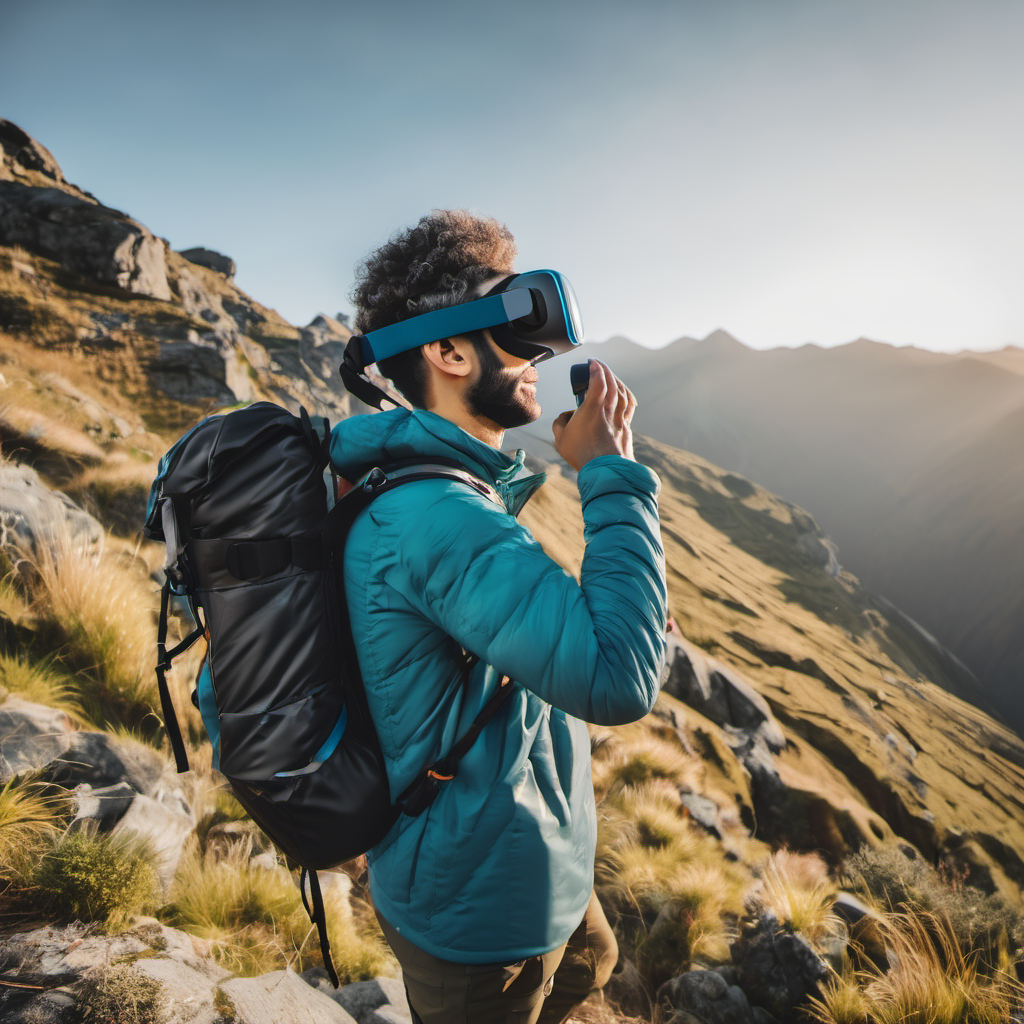
In the last decade, virtual reality (VR) has evolved from a niche concept into a mainstream technological marvel. From gaming to medicine, VR has found applications in numerous fields, including the travel and tourism industry.
One of its most profound impacts is in the realm of nature tourism, allowing individuals to experience the splendors of the world from the comfort of their homes.
This article delves deep into the confluence of VR with nature tourism, uncovering how this technology is reshaping our experience of the world.
The Technological Advancements of VR
The roots of virtual reality date back to the early 20th century, but it’s only in the recent past that it has truly come of age. Initial VR technologies were cumbersome, expensive, and lacked the immersive qualities that define today’s experiences.
However, advancements in computer graphics, sensor technology, and user interface design have converged to produce state-of-the-art VR headsets and platforms.
Current-generation VR systems, such as the Oculus Rift, HTC Vive, and PlayStation VR, provide users with an immersive 360-degree experience. These systems are equipped with high-resolution displays, precise motion tracking, and spatial audio, making them ideal for recreating lifelike scenarios.
The affordability and accessibility of modern VR gear have also made it a viable option for a wider audience, paving the way for its application in the tourism sector.
Experiencing the Wonders Without Travel
For many, the dream of trekking through the Amazon rainforest, diving into the Great Barrier Reef, or observing the majestic wildlife of the African savanna remains just that – a dream. Constraints such as physical limitations, financial hurdles, or time constraints have traditionally limited travel for many individuals. However, VR is transforming this narrative.
Through VR, destinations previously considered remote or inaccessible are now within reach. Users can don a headset and find themselves immersed in the lush greenery of a tropical rainforest or the tranquil depths of an ocean. Real-world captures using 360-degree cameras or computer-generated simulations offer a vivid representation of these locations.
Companies like National Geographic and Discovery and even travel websites such as Exploration Junkie have already embarked on the journey to produce high-quality VR nature experiences.
These platforms not only allow users to explore and experience destinations but also often include interactive elements. For example, users might learn about local flora and fauna, partake in virtual eco-tours, or even engage in simulated conservation activities.
Conservation Benefits
One of the most profound impacts of using VR in nature tourism lies in its potential for conservation efforts. Here’s how:
Raising Awareness: VR experiences can immerse users in environments that are under threat, from melting ice caps to shrinking rainforests. By virtually placing individuals in these settings, VR fosters a deeper emotional connection and understanding of the fragility of these ecosystems. Such visceral experiences often lead to heightened empathy and increased support for environmental causes.
Fundraising: Numerous conservation organizations are leveraging VR to boost their fundraising efforts. By offering donors a closer, almost tangible look at where their contributions go, these entities can encourage more substantial and frequent donations. An example is the use of VR experiences at fundraising events where attendees can “visit” the very habitats they are aiding.
Education: Educational institutions and conservation bodies are using VR as a tool to teach students and visitors about nature and the significance of its conservation. Interactive modules can showcase wildlife and their behavior, intricate food webs, and the impact of human actions on different ecosystems, making the learning process both engaging and enlightening.
Enhancing On-Site Experiences
Beyond remote exploration, VR has a place even at actual tourist destinations:
Augmented Information: VR can be employed at natural tourist sites to offer augmented experiences. Visitors can use VR headsets or augmented reality glasses to access additional information about the environment, historical changes, or species data, enhancing their understanding of the location.
Showcasing Changes Over Time: Many natural sites have undergone significant changes over the years due to climatic shifts, human interference, or natural processes. VR can recreate past scenarios or forecast future changes, offering tourists a time-traveling experience. For instance, a coral reef site could use VR to illustrate the vibrant biodiversity of the past, juxtaposed against the bleaching events of recent times.
The Economic Perspective
The fusion of VR with nature tourism is not just an ecological boon but an economic one too:
New Business Opportunities: As the demand for immersive experiences grows, there’s a burgeoning market for companies that can create high-quality VR nature content. From software developers to videographers specializing in 360-degree filming, numerous avenues are opening up.
Monetizing VR Tourism: Tourism boards, national parks, and private entities are beginning to see the financial potential of VR. Virtual tickets to popular natural sites or exclusive VR experiences can become a significant revenue stream. Moreover, offering VR experiences can reduce over-tourism, allowing sites to maintain their appeal and ecological balance while still generating revenue.
Challenges and Criticisms
While the possibilities with VR in nature tourism are expansive, it’s not without its challenges:
Replacement vs. Supplement Debate: Critics argue that VR might deter individuals from experiencing nature firsthand, potentially undermining the authenticity of travel. The tactile, olfactory, and broader sensory experiences of being physically present in a location can never be wholly replicated in a virtual environment.
Technical Limitations: While VR tech has advanced considerably, it still cannot capture the full essence of a natural environment. The fresh breeze of a mountain summit or the subtle fragrances of a blooming meadow are beyond the scope of current VR capabilities.
Potential Economic Shifts: As VR becomes more prevalent, there might be a shift in how revenue is generated in the tourism sector. While VR can provide additional income streams, over-reliance on it might lead to reduced physical travel, impacting local economies that depend heavily on tourism.
The Future of VR in Nature Tourism
With technology continually evolving, the horizon looks promising for VR in nature tourism:
Enhanced Immersion: Future VR platforms might integrate additional sensory inputs, like haptic feedback or even olfactory elements, bringing users closer to a genuine natural experience.
Collaboration with AR: Augmented Reality (AR) can work hand-in-hand with VR, especially at on-site locations, overlaying digital information on the real world, providing travelers with a rich blend of education and experience.
Conservation First: As awareness grows, VR experiences may increasingly emphasize conservation messages, contributing more directly to global efforts in protecting our natural wonders.
Conclusion
Virtual Reality’s foray into nature tourism symbolizes the beautiful convergence of technology with the raw appeal of the natural world. It offers a glimpse of what’s possible when innovation serves not just entertainment but education, empathy, and preservation.
While it’s essential to tread carefully and address the challenges it brings, VR stands as a testament to human ingenuity and our perpetual love for the environment. Whether used as a supplementary tool or a primary experience, VR in nature tourism is here to stay, promising exciting times ahead for wanderers, both virtual and real.